

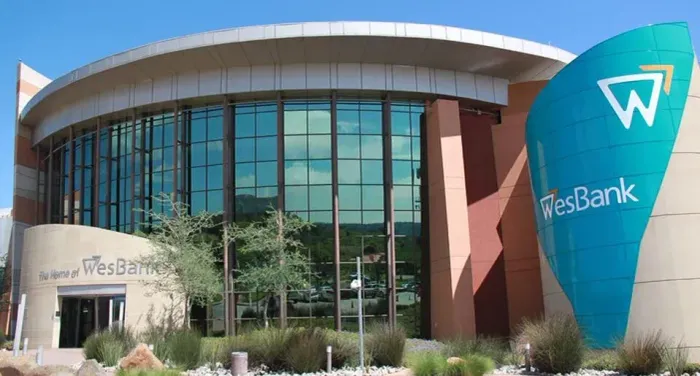
WesBank has warned its customers about a rise in increasingly sophisticated scams targeting vehicle finance accounts.
Image: Facebook/ActionSA
WesBank, the division of FirstRand Bank has warned its customers about a rise in increasingly sophisticated scams targeting vehicle finance accounts.
The bank said fraudsters are using fake letterheads and official-looking communication to trick customers into making payments or sharing sensitive information, often creating a false sense of urgency.
"WesBank is alerting consumers to a concerning surge in letterhead-based scams, where fraudsters have mastered the art of deception. These criminals exploit the bank's branding to create convincing, official-looking documents designed to trick customers into sharing personal information or transferring money to fraudulent accounts," the bank said.
"What makes these scams particularly dangerous is their sophistication. They appear legitimate, sound urgent, and feel personalised, often targeting customers with existing or previous vehicle finance agreements. The fraudsters know exactly when you're most vulnerable, what language will create panic, and how to make their forgeries look authentic enough to fool even cautious consumers,"
The bank added that in late 2024, almost 70% of South Africans were targeted by fraud, with victims losing more than R12,500 on average. Digital banking fraud also rose sharply, costing the industry about R1.888 billion.
Lebogang Gaoaketse, Head of Marketing and Communication at WesBank, said customers should be careful and always verify any suspicious messages before taking action.
"These letterhead scams are becoming increasingly sophisticated, making it difficult for even vigilant consumers to distinguish between genuine and fraudulent communication," Gaoaketse said.
"Fraudsters invest considerable effort in replicating our branding, tone, and document formats to create convincing forgeries."
Gaoaketse said the "bank encourages all customers to pause before acting on any communication that requests payment, personal information or urgent action.
"Contact WesBank directly through our official channels to verify any communication you receive. Taking a few minutes to confirm authenticity could save you from significant financial loss and identity theft."