

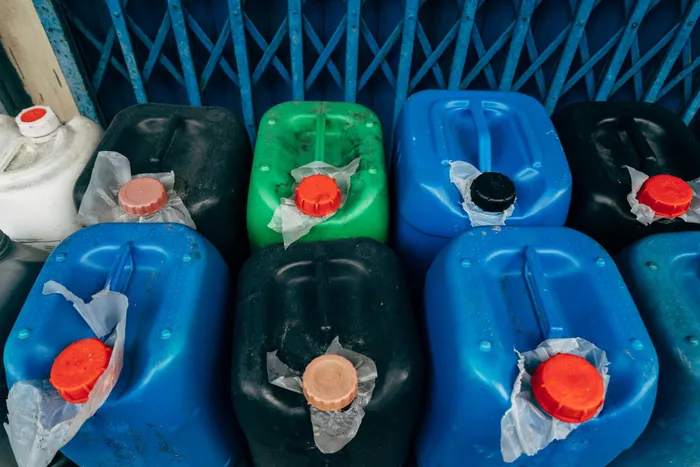
While South Africa experiences fewer power cuts, the habit of storing petrol and diesel at home poses serious fire, safety, and insurance risks that homeowners must address.
Image: Pexels/Markus Winkler
As South Africa enjoys a period of relative electricity stability, many households are continuing practices adopted during years of loadshedding, including storing fuel for generators and other back-up power systems.
According to Christelle Colman, CEO and founder of Ami Underwriting Managers, back-up power solutions became common during the height of loadshedding, particularly among wealthier households that were early adopters of alternative energy systems.
However, Colman warned that the continued stockpiling of petrol and diesel creates significant risks, including fires, explosions, injuries, environmental contamination and damage to neighbouring properties.
She said the danger increases when fuel is stored close to living spaces, generators, gas appliances or other ignition sources.
Colman also cautioned against using unsuitable containers such as old cooldrink bottles or paint buckets to store fuel. She said fuel should only be kept in containers that comply with South African National Standards (SANS), are clearly labelled and properly sealed to prevent leaks and vapour build-up.
She added that garages are not always safe storage areas due to the presence of vehicles and other combustible materials.
Experts recommend avoiding fuel storage at home unless absolutely necessary. Where storage is unavoidable, fuel should be kept in a cool, dry, secure and well-ventilated area away from children, pets, heat sources, open flames, braai areas, electrical equipment, gas cylinders and drainage systems.
Colman said insurance claims linked to stored fuel can become complicated, especially in fire-related incidents. Insurers may consider the quantity of fuel stored, the type of containers used and whether homeowners complied with municipal bylaws.
She noted that municipalities have different regulations governing how much fuel may legally be stored at residential properties.
Colman urged homeowners to inform their insurers or brokers of any changes relating to fuel storage or generator installations.
“The duty to disclose material does not end when the policy is issued,” she said. “Clients must communicate any changes before a claim is made.”
While many households store fuel to prepare for possible future power disruptions or rising fuel prices, Colman warned that poor storage practices could result in severe property damage as well as legal and financial consequences.