

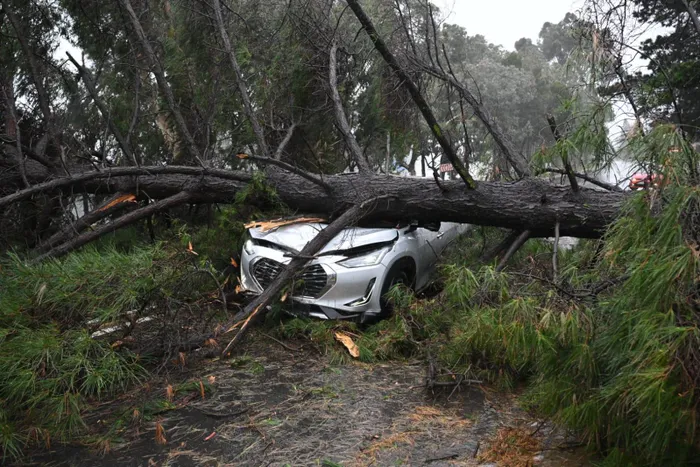
As businesses across the Western Cape assess the impact of severe rain, flooding, and storm damage, commercial property owners and operators are being urged not to stop their recovery efforts once visible water has been removed.
Image: Henk Kruger
Businesses across the Western Cape are assessing the damage caused by severe rain, flooding and storm conditions after the South African Weather Service issued a Level 8 warning for disruptive rainfall, strong winds, mudslides and infrastructure damage.
Schools in the province were also closed on Tuesday, 12 May, following consultations with disaster management authorities.
While many businesses have focused on removing standing water and reopening quickly, air treatment specialist Solenco has warned that hidden moisture left behind after flooding could result in further damage.
According to Solenco Commercial Sales Manager Wynand Deyzel, trapped moisture in walls, floors, shelving, stockrooms and equipment can create problems days or weeks after floodwaters have receded.
“When water has been removed from a premises, it can create the impression that the building is dry. In reality, moisture often remains trapped in porous materials, enclosed spaces, and stored goods,” Deyzel said.
He warned that lingering moisture can damage flooring, timber, plaster, electronics, stock and packaging, while also creating conditions for mould growth, corrosion and contamination.
Deyzel said mould can begin developing within 24 to 48 hours if damp conditions are not properly addressed, potentially turning a short-term clean-up into a longer-term operational and maintenance issue.
He urged business owners to prioritise safety before beginning clean-up operations.
“Do not enter a flooded property until the electrical supply has been made safe and the depth and source of the water have been assessed,” he said.
Deyzel also advised businesses to document damage thoroughly for insurance purposes, including taking photographs, separating contaminated stock from salvageable items and keeping records of clean-up and drying work.
The warning comes as South Africa continues to face costly flood-related disasters. These include the reported R1.4 billion in agricultural losses from the Western Cape floods in September 2023, more than R1 billion in damage in Nelson Mandela Bay in June 2024, and an estimated R1.5 billion in infrastructure damage in eThekwini in 2025.
Deyzel cautioned against relying solely on heaters to dry flooded spaces, saying heat may make the air feel drier without fully removing moisture trapped in materials such as concrete and plaster.
“As the Western Cape moves from emergency response to recovery, businesses will need to look beyond visible damage and manage the hidden moisture left behind,” he said.
IOL