

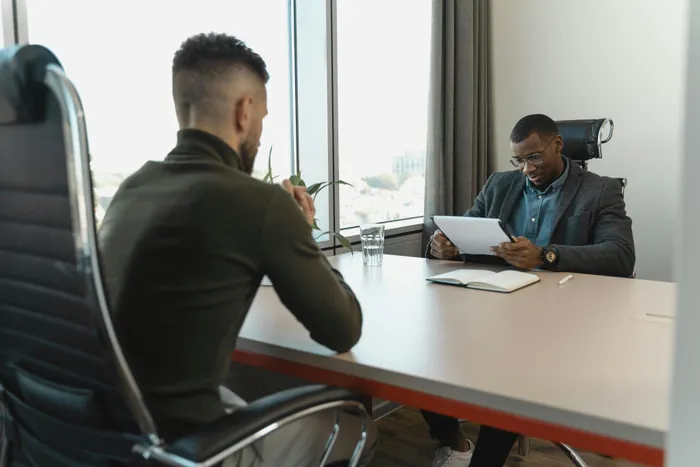
Successfully navigating a job interview can be difficult, even for the most well-prepared candidates.
Image: Pexels
Job interviews are never easy, and the anticipation of receiving feedback from the potential employer can drive almost any job seeker to the verge of insanity.
In most instances, candidates are unsuccessful because they’re simply not the right fit for the job, and this can happen even if they did all their homework and delivered the perfect presentation to the interviewer.
However, there are many interview mistakes that applicants commonly make without realising it, says Patrick Dillon from marketing agency WISE Digital Partners.
“Candidates often don’t realise how certain behaviours signal disengagement or create red flags for hiring managers,” Dillon said. “Understanding these missteps gives job seekers the power to keep the process moving forward.”
Interviewee ghosting isn’t always about the hiring company being rude or dismissive. In many cases, time constraints play a significant role as recruiters are managing dozens of open positions at the same time and providing feedback to every candidate simply isn’t feasible.
However, those who put their best foot forward and avoid the common interview pitfalls stand a far greater chance of getting to the next level of the hiring process.
According to Dillon, these are the six most common and significant mistakes that job applicants make:
Walking into an interview without having researched the company or the specific role sends a clear message: this opportunity isn’t a priority for you. Dillon emphasises that recruiters are acutely aware of candidates’ levels of engagement.
If a candidate struggles to answer basic questions about the organisation or seems disinterested, it often leads to missed opportunities.
“Preparation shows respect for the recruiter’s time and a genuine interest in the position,” Dillon states. Candidates must articulate their reasons for wanting the role to stand out positively.
In today’s fast-paced hiring landscape, timing can be everything. Dillon points out that delays in responses, whether to emails or missed calls without explanation, can signal unreliability to recruiters.
“When someone doesn’t respond within 24 hours, it’s often interpreted as a lack of interest,” he says, adding that recruiters manage multiple candidates and adhere to tight deadlines. Prompt and professional communication is essential to remain in contention.
Inconsistencies between what is written on a CV and what is stated in an interview can raise immediate red flags regarding a candidate’s honesty and accuracy. For instance, if your resume claims you led a team of ten, but you mention three in the interview, doubts arise.
Dillon stresses the importance of trust, explaining that recruiters need to trust the information they're presenting to hiring managers. Consistent information reassures recruiters of a candidate’s credibility.
Initiating conversations about salary or remote work requirements before establishing your value can undermine your candidacy.
Timing plays a pivotal role in these discussions. Dillon notes that when candidates lead with compensation demands before showcasing their fit for the role, it may come across as transactional rather than collaborative.
Candidates should aim to demonstrate their contributions first before negotiating terms.
Post-interview communication significantly influences how a recruiter perceives your professionalism. Following up too aggressively, using overly casual language, or failing to acknowledge communications can work against you.
Dillon advises candidates on the importance of maintaining a professional tone: “One thoughtful follow-up within 24 hours strikes the right tone.”
Such communication showcases respect and professionalism, setting candidates apart
Candidates can unintentionally signal concerns about their presentation. Poor punctuality, negative remarks about former employers, or displaying unprofessional behaviour during virtual interviews can severely impact perceptions.
As Dillon adds: “Small details matter more than people realise.” Background noise, distractions, or speaking badly of past colleagues can contribute to an overall impression that may dissuade potential employers.
Dillon said the best way to prevent ghosting is to maintain consistent professionalism through every stage of the hiring process.
It is highly recommended that you send a brief thank-you email within 24 hours of your interview, one which reiterates your interest and highlights one or two key points from your conversation. The trick is to remain top of mind without appearing pushy.
“If you haven't heard back within the timeframe the recruiter mentioned, one polite follow-up is appropriate. Keep it brief and professional, simply expressing continued interest and asking if there are any updates. Avoid sending multiple messages or appearing demanding," Dillon says.
“Remember that staying engaged doesn't mean being aggressive. Respect the recruiter's timeline while demonstrating that you're organised, reliable, and genuinely interested in the opportunity. Small actions like these can make the difference between being remembered positively or getting lost in the shuffle.”
IOL Motoring