

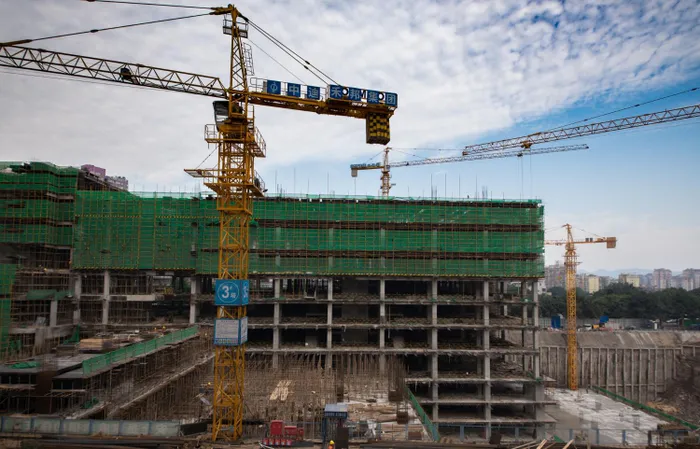
The ongoing property developments in high-demand areas signals early signs of some market recovery for 2026.
Image: Freepik
The South African property development market has seen a very positive start to the year, especially in Cape Town, in both the warehouse and the office sectors.
“We have seen an increase in enquiries in the office sector in Cape Town and in Gauteng. The bulk of the enquiries remain in the warehouse sector, with limited good space available and low vacancies.
"This has been a good start, the economic fundamentals are also better than they have been in a while with low interest rates, low inflation and a strong Rand,” says John Whall, CEO of Heartwood Properties.
Asked what challenges the local property development sector faced, Whall says the availability of zoned, serviced land is always a challenge for developers in Cape Town.
He says the opportunities are in the warehouse sector in Cape Town and also the office sector, which has seen limited development since 2020.
“In Gauteng, we are seeing more enquiries for A Grade decentralised office space in good locations. One of the ongoing challenges are above inflation input costs, such as rates and taxes, and utility costs (water and electricity).
"This creates opportunities to install solar in all new developments.”
Heartwood Properties says the property development sector significantly boosted the local economic investment and growth, including employment growth and can do a lot to improve locations and contribute to local government in the form of new infrastructure and increased rates and taxes.
The property development company specialising in commercial and warehouse property categories says the country has an excellent pool of professional architects and engineers, and very capable construction companies and developers who can deliver developments very efficiently.
“One of the constraints in the SA market is good available land, and the long-term capital that is required to take land from agricultural status to be ready to be developed, which can typically take a number of years.”
Whall says almost all new developments are self-contained to some degree with backup power and water.
“I have not found service delivery to be an issue where we are currently developing in Cape Town. I do understand that Gauteng has some major challenges which do need to be addressed.”
The CEO says one of the challenges that they see is the slow approval process and suggests there are a lot of ways that this could be made much more efficient.
He says they find that large developments and investments are delayed and even face the risk of cancellation due to approval delays that can take a lot longer than expected.
“This seems to be due to shortages of personnel at the councils, and we find that the current council staff members are working extremely hard to get approvals, though they just seem, in some cases, to be very understaffed, resulting in delays in approvals.”
Despite these challenges, Whall says that the local property development sector is in a very good place due to the low interest rates and low inflation, as well as the demand from tenants due to low vacancies.
“So we would expect a strong development sector in the next 2 to 3 years."
Against this improving economic backdrop, the commercial property market is expected to enter 2026 on a mildly stronger footing than in 2025, said John Loos, the senior property economist for Commercial Property Finance at FNB, in January.
FNB’s broker surveys already indicated stronger sales activity during 2025 compared to the previous year, alongside declining vacancy rates across key commercial property classes.
“Notably, the previously elevated national office vacancy rate has begun to decline. This has been partly driven by significant residential and mixed-use repurposing of older office stock. Brokers estimate that approximately 20% of office buildings sold in 2025 were acquired for planned residential or mixed-use conversion,” Loos said.
He said oversupply conditions have also been eased by persistently low levels of new commercial development.
“Non-residential building completions for the 12 months to October 2025 were 29% lower than the same period in 2018, while space plans passed were 28% lower. This post-Covid trend of subdued development activity is expected to continue into 2026.”