

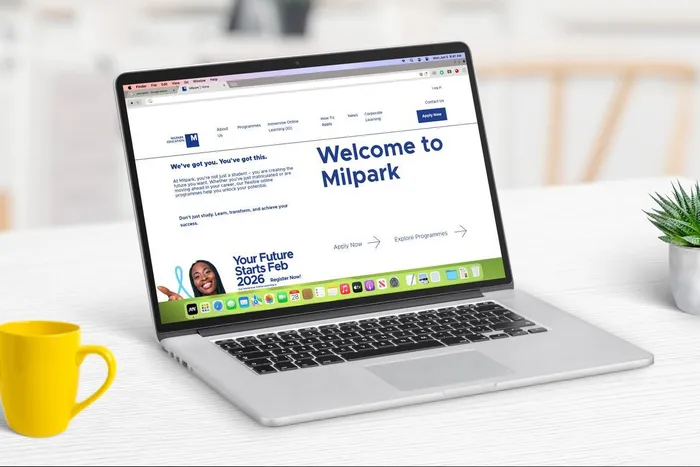
Institutions are redefining what access looks like by offering multiple entry pathways designed to meet students where they are - academically, financially and personally.
Image: Supplied.
As matric results are released across South Africa, thousands of learners face mix emotions especially for those who missed university deadlines, fell short of entry requirements or are still waiting on an offer that hasn’t come.
It can feel like doors to the future have closed but it’s important to know that they haven’t.
According to Marilize Putter, Chief Academic Officer at Milpark Education, the story doesn’t have to end here – in fact, multiple pathways to higher education remain open, allowing learners to pursue meaningful qualifications and career opportunities.
“Higher education is no longer defined by a single-entry point or rigid academic route,” says Putter. “Institutions are redefining what access looks like by offering multiple entry pathways designed to meet students where they are - academically, financially and personally. This approach also recognises that potential cannot be measured by a single set of results alone and more importantly, it shouldn’t limit anyone’s future.”
For students who didn’t meet traditional university entry requirements, missed application deadlines, or where not placed at a public university, the key is not to give up but to explore alternative pathways.
Options such as bridging programmes, foundation courses and qualification-specific entry routes provide opportunities to strengthen academic skills while staying on track toward an accredited qualification.
These programmes are designed to fill knowledge gaps, boost confidence and prepare for long-term success.
Moreover, online learning opens up a world of additional opportunity. With flexible options such as full-time, part-time and blended study formats, students can balance their studies with work, family and personal responsibilities.
This adaptability empowers learners to progress at a pace that fits their lifestyle - without compromising on academic quality or support. Plus with available capacity in private higher education, preferred programmes and courses remain accessible.
“Online education has evolved far beyond recorded lectures and isolated, passive study,” adds Putter.
“Immersive online learning environment combines structured academic content with practical applications, immersive tools within a supportive learning community. Students gain not only the technical knowledge needed for their field, but also critical soft skills such as communication, adaptability and problem-solving - skills that are vital for today’s workforce. Through ongoing engagement with peers and lecturers, learners benefit from a strong sense of connection and guidance, particularly those seeking additional confidence and direction after matric.”
In a context where youth unemployment remains high and demand for skilled professionals continues to grow, accessible, flexible education is more crucial than ever.
Alternative pathways not only open doors but provide the skills and support learners need to succeed in both their studies and future careers.
“One set of results does not define your future. There are alternative routes and second chances that make it possible to continue your education and pursue your career ambitions. The future is within reach. It is still attainable – through accessible pathways, flexible learning models and supported education designed for the realities of today’s students,” Putter added.
BUSINESS REPORT