De Beers subsidiary launches conservation plan
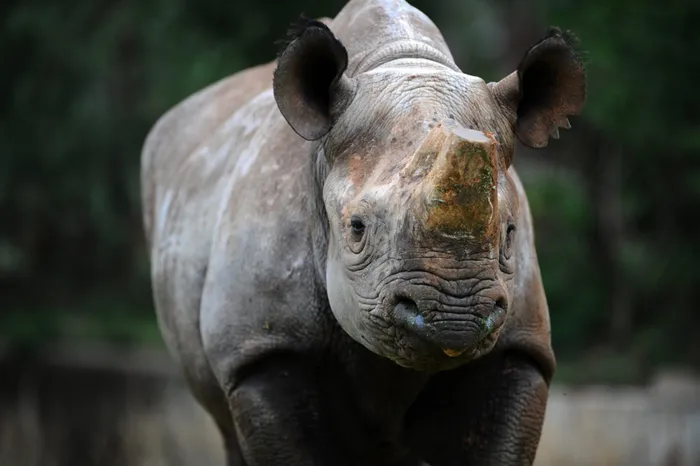
File picture: Paballo Thekiso, Independent Media File picture: Paballo Thekiso, Independent Media
Gaborone - Diamond mining conglomerate De Beers has launched a new initiative aimed at saving and conserving rhinos in Botswana as part of a broader natural resources conservation drive which will also cover other animal species in the Jwana and Orapa game parks in central Botswana.
According to a report published by Forbes on Sunday night, more than 100 people attended the inaugural Rhino Rescue Botswana fund-raising event hosted by De Beers subsidiary Forevermark, in conjunction with international safari operator Explore, in the US city of New York on Thursday last week.
Read: Gem sale nets $540m for De Beers
Proceeds from the event will be used to finance the activities of the newly formed Thlokomela Trust, through which De Beers plans to contribute to saving rhinos and other animals in the Jwana and Orapa game parks, which are close to Debswana’s major diamond mines in the central towns of Jwaneng and Orapa.
The fund-raising event was attended by Botswana minister of Environment, Wildlife and Tourism, Tshekedi Khama.
Addressing guests at the dinner, Forevermark CEO and Vice-President for De Beers marketing Stephen Lussier said that apart from diamond mining, the company supported the conservation of natural resources in Botswana.
“Forevermark’s support of the Tlhokomela Trust is part of an ongoing commitment since the 1970s by De Beers to protect the diversity of the natural world in which it operates. For every acre of land used for mining by De Beers, five acres are dedicated to the conservation of nature.
“Our passion for diamonds is matched by our deep sense of connection with the natural world, which we are dedicated to protecting for future generations. ‘Tlhokomela’ means ‘protect’ in Setswana and reflects the trust’s mission to perpetuate and expand the country’s vast and pristine wilderness areas and protect critically endangered rhinos and other species,” Lussier said.
In the past two years, the Botswana’s Department of Wildlife (DWNP) and private conservation groups have successfully reintroduced imported black and white rhino populations into the wilds of the Okavango Delta after they were declared locally extinct in 1992.
Botswana’s new rhino population is a product of the relocation of nearly 100 critically endangered animals from neighbouring South Africa which has run out of safe havens due to rampant poaching. Twelve of the rhinos were imported from Zimbabwe mid-last year.
In terms of a bilateral relocation agreement signed between the two countries in 2014, eight more rhinos will be airlifted to the safety of Botswana this year. Botswana remains an attractive destination for rhino relocations on account of its successful conservation policy and a strict adherence to a “shoot-to-kill” policy on all poaching suspects.
ANA