

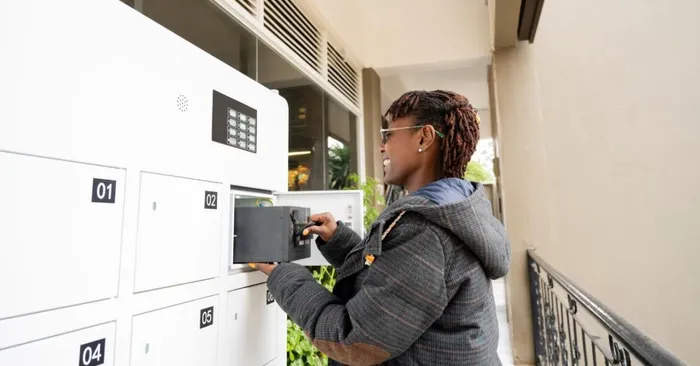
Battery swapping stations in Uganda and Rwanda are making electric mobility more accessible, while pay-as-you-go business models have provided affordable electricity to more than 500 000 people in Sierra Leone and Liberia.
Image: Supplied
Systemic innovation, rather than isolated technological fixes, will be critical to transforming global energy systems and accelerating a just energy transition, according to a new report released by the International Renewable Energy Agency (IRENA).
Unveiled during a Ministerial Dialogue on the role of Artificial Intelligence (AI) at IRENA’s Assembly on Monday, the report finds that meaningful transformation occurs when technological advances are combined with innovation in policy, regulation, market design, system operations and business models.
The study highlights 40 emerging and proven innovations, ranging from AI-driven and digital applications to smarter grid planning, decentralised and off-grid solutions, and new financing and ownership models.
It concludes that only a systemic, integrated approach can deliver resilient and affordable power systems, expand energy access, and unlock the full potential of the global energy transition.
The report is the third in IRENA’s Innovation Landscape series, which examines solutions that enhance the role of renewable energy across power systems and economies worldwide.
“The question isn’t whether we can transform our energy system, it’s whether we will seize the moment to do it in a holistic way, leaving no one behind,” said IRENA Director-General Francesco La Camera.
“The energy transition is not only about availability of technology, but also about solutions which deliver social justice and avoid leaving anyone behind. With today’s report we call for a systemic innovation approach and guide policymakers with a toolkit to formulate tailored solutions.”
IRENA notes that renewable energy technologies have become the cheapest source of electricity in most regions of the world.
When combined with decentralised and digitally enabled innovations, renewables can significantly improve energy security, strengthen power system resilience, and accelerate universal access to electricity—particularly in emerging markets and developing economies.
However, the agency stresses that there is no “one-size-fits-all” solution. Effective implementation depends on system-specific conditions, including the technical and economic characteristics of national power systems, grid integration challenges, the structure of end-use sectors, available natural resources, and social and cultural contexts.
Many of the innovations highlighted in the report are already being tested and scaled globally. In Tanzania, Kenya, Colombia and Malaysia, energy communities collectively own and benefit from local renewable projects.
In West Africa, regional power pools enable 15 countries to share renewable resources across borders, improving reliability and lowering costs.
Technological advances are also delivering tangible gains. Dynamic line rating systems in Malaysia are increasing transmission capacity by between 10% and 50% through real-time weather monitoring.
Battery swapping stations in Uganda and Rwanda are making electric mobility more accessible, while pay-as-you-go business models have provided affordable electricity to more than 500 000 people in Sierra Leone and Liberia.
To help policymakers translate these innovations into action, IRENA groups the 40 solutions into four strategic toolkits focused on grid modernisation, decentralised energy systems, inclusive local development, and energy access. These toolkits are designed to support context-specific decision-making and rapid deployment.
The report emphasises that progress will require coordinated action at all levels—from multilateral institutions and regional bodies to national governments and local communities.
IRENA said the framework aims to enable countries and communities to design solutions that reflect their unique technical, economic and socio-cultural realities, ensuring that the energy transition is both inclusive and sustainable.
Meanwhile, President Cyril Ramaphosa will on Tuesday hold bilateral talks with Highness Sheikh Mohamed bin Zayed Al Nahyan, President of the UAE, ahead of the Abu Dhabi Sustainability Week (ASDW) Opening Ceremony.
Ramaphosa will also participate in the Heads of State Panel discussion on the topic: “A vision for Global Energy”. In addition, he will also participate in a high level session titled: Next Leap: Global South Infrastructure, which will focus on accelerating bankable, scalable infrastructure investment across the Global South.
South Africa maintains cordial bilateral relations with the UAE, characterised by regular high-level visits as well as robust economic cooperation, for the mutual benefit of both countries. The UAE is also a major investor in the South African economy across various sectors such as transport, logistics and renewable energy.
BUSINESS REPORT