
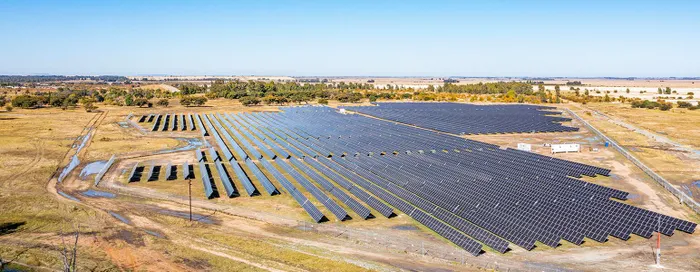
The model enables NOA to purchase renewable energy from its own generation fleet as well as from trusted third-party independent power producers (IPPs), and to sell this energy to customers under a mix of short-, medium- and long-term supply agreements.
Image: Supplied
Banele Ginindza
NOA Group Trading has insisted that its electricity trading licence, granted by the National Energy Regulator of South Africa (Nersa) in January 2025, is central to the success of its business model, even as Eskom states it is compelled to take procedural steps in a legal challenge it previously sought to pause.
NOA is one of five companies licensed by Nersa to operate in South Africa’s emerging electricity trading market, alongside Green Electron Market, CBI Electric Apollo, GreenCo Power Services – which also received a cross-border licence – and Discovery Green.
The licences form part of broader reforms aimed at introducing competition and flexibility into the electricity supply sector.
The issue resurfaced this week after Eskom CEO Dan Marokane said the utility had little choice but to participate in legal proceedings challenging Nersa’s decision, despite its stated preference for regulatory reform over litigation.
Speaking on Monday, Marokane said Eskom had been disappointed to proceed with the matter, particularly as Nersa has announced that submissions on the trading framework will close at the end of January 2026.
He said Eskom had previously requested that the matter be stayed, or paused, while the regulator-led process unfolded. However, NOA Group Trading declined this request and instead convened a case management conference, effectively advancing the application.
"Eskom has no intention of restarting or escalating litigation as a substitute for regulatory reform and is still not actively progressing the application," Marokane said.
In these circumstances, Marokane said Eskom had no practical option but to participate in procedural steps to protect its legal position even though it continues to advocate for the redesign of regulated tariffs to ensure cost recovery from all market participants, and the establishment of retailer-of-last-resort obligations to protect customers and system stability.
"Subsequent procedural steps occurred not because Eskom reversed its position, but because Eskom was placed in a position where it was required either to abandon its review application entirely or to participate in procedural processes initiated by trader parties," he said.
Marokane also stressed that Eskom’s participation should not be interpreted as a reversal of its position, duplicity, or an attempt to undermine electricity market reform.
"To the extent possible, it still intends to allow the regulatory process to unfold. However, it is constrained to do so due to the circumstances explained," he said.
Eskom announced in September last year that it would stay its legal challenge, following pressure from Electricity Minister Kgosientso Ramokgopa, Nersa and industry stakeholders.
Marokane said this decision was communicated publicly and aligned with Eskom’s support for reform rather than prolonged court action.
"Even if all the parties agree to stay, there is no court order because there is no provision in law for this. It is rather a pragmatic step to ensure the most optimal outcome for the electricity supply industry," he said.
NOA Group, meanwhile, has strongly defended its licence and the role of electricity traders in the reformed market.
Writing on the company’s website, NOA Group chief executive Karel Cornelissen said the licence “greenlights” the implementation of NOA Trading’s innovative aggregation model.
The model enables NOA to purchase renewable energy from its own generation fleet as well as from trusted third-party independent power producers (IPPs), and to sell this energy to customers under a mix of short-, medium- and long-term supply agreements.
Cornelissen said the aggregation approach allows customers to access a blend of utility-scale solar PV, wind and battery storage from geographically dispersed projects, without the complexity of contracting with multiple generators or justifying a dedicated generation facility for their own consumption.
"We believe that increased participation in the energy market will benefit the country as a whole while delivering significant contributions to commercial and industrial energy consumers in South Africa, which is particularly important in the face of global pressure to decarbonise and remain cost competitive," Cornelissen said.
NOA said its trading model supports the deployment of renewable energy projects in high-yield areas, maximising generation potential and improving energy security, while delivering cost savings and greater choice to customers, in line with the objectives of the Electricity Regulation Act.
Eskom, however, remains concerned about the broader implications of electricity trading under the current regulatory framework. Marokane said the original grounds for Eskom’s review application remain unchanged, warning that the introduction of trading licences without new rules could allow subsidy-contributing customers to exit the system.
BUSINESS REPORT