KAL Group sets ambitious 15% growth target as agricultural conditions improve
RETAIL
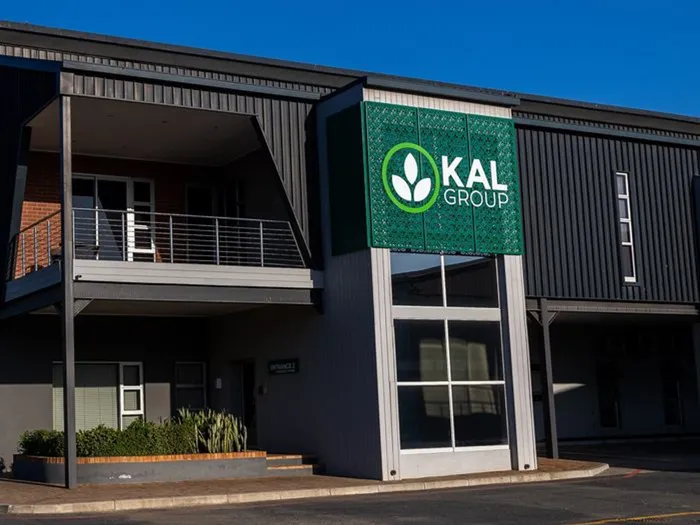
The KAL Group is an agriculture and lifestyle company specialising in the trade and retail of agriculture, fuel and related markets in southern Africa. The JSE-listed company says prospects for the agriculture sector look favourable into 2026, and the company also expects its fuel sales will increase.
Image: supplied
KAL Group, the JSE-listed agri-lifestyle retailer and diversified trading company believes its footprint expansions over the past year should enhance its prospects following an expected improvement in trading conditions in the new financial year.
Writing in the group's 2025 annual report, chairman George Steyn and CEO Sean Walsh said their strategy to 2030 had been reviewed and the aim was to achieve a compound annual growth rate (CAGR) of 15% or higher in recurring headline earnings per share (RHEPS), while continuing to achieve a minimum return on invested capital (ROIC) of 14%, and maintaining a debt-to-equity ratio of about 40%.
"This will allow us to improve our dividend yield to shareholders. The group is intent on powering growth from farm to fork, while ensuring all stakeholders are better off," the two executives said.
The targets mean a step-up in growth will be required in the next few years, at least on the CAGR target, as the group has achieved a 12.7% compound annual growth rate in recurring headline earnings per share since its 2011 financial year. ROIC was also slightly lower than the new target, at 13,2% for the year to September 30, 2025.
"With a healthy balance sheet, the group is able to build momentum in footprint and market share growth. We maintained and expanded a ROIC above the weighted average cost of capital (WACC) over the last year, and created an economic value added (EVA) of R76.9 million" the group said.
KAL's board believes the group is ready to execute the growth plan for the 2030 financial year, as evidenced by the momentum achieved in strategic initiatives in the second half of 2025.
"Agricultural conditions in the areas where we operate were favourable during the last nine months, and the outlook is positive. Agriculture remains one of the key sectors for driving growth in the South African economy," said Steyn and Walsh.
With fuel prices dropping, interest rates being more favourable, and potential economic stimulus coming from private and public investment, the group was well positioned to capture any uptick in economic activity across business segments, they said.
Slight agricultural input deflation, combined with further anticipated reductions in interest rates, boded well for the new financial year.
"Although always weather dependent, the outlook for fruit and vegetable production in the upcoming agricultural season looks encouraging. Market share growth remains a key priority for Agrimark, both through growing with existing customers as well as attracting new customers in new geographical areas."
They said the general retail performance was expected to remain volatile, although lower inflation and further interest rate reductions may benefit the sector. Convenience store and QSR (quick service restaurant) performance had been robust and were expected to grow further off the back of the revamps and new retail points added during the past year.
Retail fuel volume increases were expected courtesy of lower fuel prices. Additional sites added in 2025 and new sites planned for the 2026 financial year, in both PEG and Agrimark, were expected to positively impact group fuel volumes. The launch of the PEG Imali Yam loyalty program showed early traction, boosting repeat visits and customer engagement.
In the Agrimark Grain division, conditions were favourable for an above average 2025/26 harvest yield, and increased grain storage capacity had been invested in, which would be operational within the first quarter of the 2026 financial year.
The 2024/25 wheat intake was impacted by excessive rainfall during the growing season, but a large portion of reduced wheat handling and storage income was substituted through the intake and handling of alternate grains, resulting in a very credible performance for the past financial year.
"The disposal of Tego (plastic storage solutions) and Agriplas (irrigation equipment and water management solutions) will not only release underutilised capital, but will allow for increased focus on the core operating environments within the business," said Steyn and Walsh.
Moves to diversify the group's market, geography, and customer exposure since the JSE listing in 2017, continues to pay dividends, with non-agri activities currently generating 70% of trading profits.
BUSINESS REPORT