

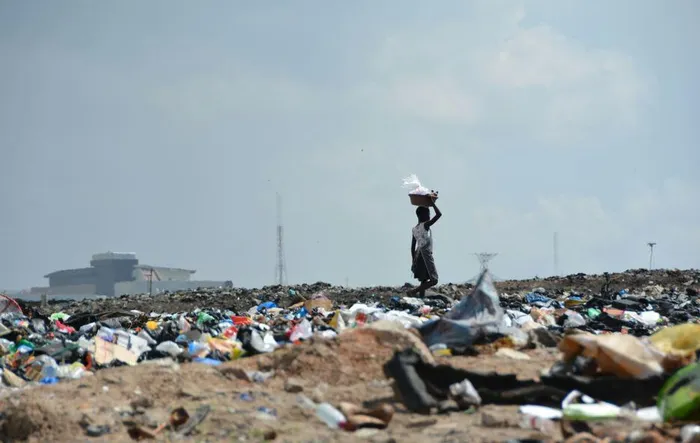
The situation in South Africa translates to hundreds of tonnes of plastic waste entering landfills annually. The challenge posed by such small, seemingly insignificant items is substantial.
Image: Supplied.
In a significant stride towards sustainable connectivity, FNB Connect has unveiled its new eco-friendly SIM cards crafted from biodegradable materials.
This eco-conscious initiative arrives at a crucial time as South Africa wrestles with the escalating environmental impact of traditional SIM cards, which are notoriously made from non-biodegradable substances.
FNB Connect’s eco-friendly SIM cards feature a reduced-plastic design achieved by substituting the conventional plastic carrier with a paper-based cardboard alternative.
Furthermore, the packaging adopts high-grade, recyclable paperboard, moving away from plastic laminates.
This effort is part of the bank’s broader commitment to sustainability, addressing an alarming issue, discarded preloaded SIM cards that contribute significantly to the country's plastic and metal waste.
“The environmental impact of SIM card waste is particularly concerning in our country,” stated FNB Connect CEO Sashin Sookroo.
“Preloaded SIMs are often handed out for promotions, ending up unused and ultimately discarded. This practice adds to the growing burden on our landfills and waterways. With our new initiative, we not only encourage SIM uptake but foster responsible usage to mitigate unnecessary waste and promote a sustainable future.”
The launch of the eco-friendly SIM cards builds on FNB Connect’s pioneering eSIM technology, introduced in December 2024, which made FNB the first bank-led mobile virtual network operator (MVNO) in South Africa to offer a fully digital activation process. This dual approach highlights FNB Connect's innovative strategy for reimagining how SIM cards are produced and utilised, thereby enhancing both user experience and environmental stewardship.
“When we launched the eSIM, we provided consumers with a wholly digital means of staying connected, eliminating the need for plastic SIM cards entirely,” Sookroo explained. “However, we recognise that many South Africans still depend on physical SIMs. Our eco-friendly options mean that consumers can connect with a reduced negative impact on our planet.”
The statistics surrounding standard SIM cards are alarming; each card weighs approximately 1.8 grams, with millions disposed of globally each year.
The situation in South Africa translates to hundreds of tonnes of plastic waste entering landfills annually. The challenge posed by such small, seemingly insignificant items is substantial.
“South Africa generates around 2.4 million tonnes of plastic waste annually, yet only about 14% of this is recycled,” pointed out Kival Singh, FNB's Sustainability Head. “As a responsible financial institution, we are positioned to set a new standard. Each time a customer picks up our new SIM card and packaging, they receive a powerful message: sustainability can be integrated into convenience.”
FNB Connect’s new SIM cards are made from eco-friendly materials, utilising approximately 50% less packaging that is fully recyclable and sustainably sourced. This lighter design not only diminishes the amount of material used but also reduces transport emissions, displaying how minor design adjustments can lead to significant ecological benefits.
The anticipated outcome of this initiative is a considerable reduction in plastic waste, storage demands, and transport emissions over time. Moreover, it aligns with FNB’s overarching ambition of achieving net-zero carbon emissions in South Africa by 2030.
“We have an opportunity to contribute positively to mobile communication sustainability,” Sookroo concluded. “Every small change matters. Whether customers opt for an eSIM or our new eco-friendly physical SIM, they are playing a part in steering us towards a cleaner, smarter future.”
FNB Connect remains committed to leveraging technology to simplify daily life while mitigating its environmental footprint. The brand's sustainability initiatives reflect a wider trend within the FNB ecosystem, aimed at helping customers make choices that benefit both them and the planet.
“Our customers value convenience, quality, and ethical choices,” Sookroo noted. “By rethinking the traditional SIM card, we demonstrate that innovation can indeed be both practical and purposeful.”
BUSINESS REPORT