

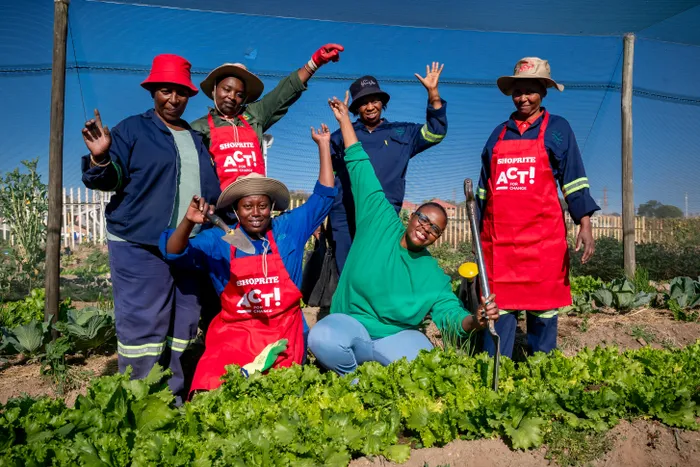
As learners dive back into their studies, community gardens are proving to be a verdant lifeline, seamlessly integrating nutrition and education while strengthening local resilience against food insecurity.
Image: Supplied.
As millions of students across South Africa return to school this month, the challenges of food insecurity remain glaring, with nutritious food access being a key element in determining academic success.
UNICEF reports that approximately 23% of children in South Africa face severe food poverty, impacting their learning experiences by inducing fatigue, lack of focus, and lost opportunities in the classroom.
While the National School Nutrition Programme provides daily meals to nearly 10 million learners, initiatives like community food gardens are emerging as critical companions in the quest for improved nutrition and educational outcomes.
These gardens not only deliver sustenance to students but serve as vital instruments in cultivating a culture of healthy eating and environmental stewardship.
Through its Act For Change community food garden programme, Shoprite advocates for the establishment of local food systems, particularly those integral to schools, ensuring a holistic approach to food and nutrition support.
“When learners are nourished, they are better able to engage in the classroom, schools function more effectively and communities are more resilient,” stated Sanjeev Raghubir, Chief Sustainability Officer at the Shoprite Group.
Raghubir further explained the broader implications, “Beyond the plate, community gardens provide learners with a tangible connection to their food’s origin, reinforcing basic concepts of nutrition, sustainability and environmental care.”
Exposure to these gardens can shape long-term attitudes toward healthy eating, even if students are not directly engaged in their upkeep.
One notable example of this initiative in action is the Umthambeka Drop-in Centre in Thembisa, which incorporates nutrition into its psychosocial support services.
The garden, rooted in community development and food security, directly aids in the centre’s feeding initiatives and offers fresh vegetables to families in need.
“Parents and guardians are actively involved in maintaining the garden,” said Cohdelia Pilusa, Centre Manager and founder of Umthambeka Drop-in Centre.
“It also provides employment for three individuals, enabling them to support their families with this initiative. Additionally, it facilitates access to fresh vegetables, allowing families to prepare healthier meals.”
Another successful collaboration under the Act for Change programme is the Modulaqhowa Primary Co-operative Limited in the Free State.
Founded by local women, this co-operative combats unemployment and food scarcity by producing vegetable seedlings and fruit trees, whilst contributing fresh produce to the surrounding community.
The co-operative partners with schools and early childhood centres to introduce children to plant care and foster a sense of responsibility for their environment.
As the school year progresses, the presence of these food gardens remains a crucial support system, enabling students to concentrate on their education without the added pressure of hunger. These initiatives not only alleviate some of the financial burdens on families at the start of the school year but also highlight the essential role communities play in the holistic wellbeing of children.
BUSINESS REPORT