

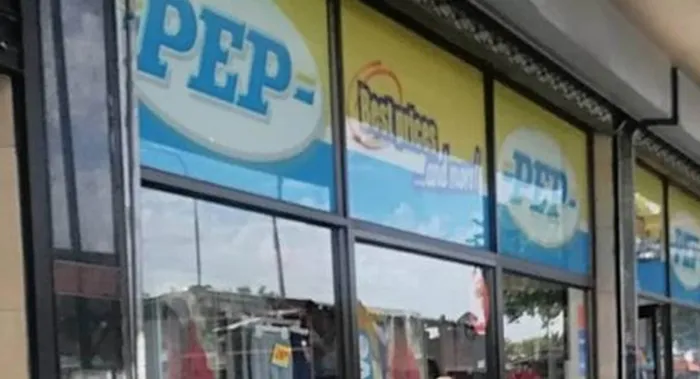
A Pep store in Athlone, Western Cape. In the three months to December 31, 2025, the Pepkor group out-performed the market in southern Africa and expanded market share based on Retailers Liaison Committee (RLC) data, despite significant promotional activity by competitors.
Image: Supplied
Pepkor Holdings' group revenue increased a sturdy 12.3% in the first three weeks of January 2026 against a high base of 17.8% in the same period last year, and off the back of a successful back-to-school period that tracked management expectations, its management said Monday.
They said they remain "cautiously optimistic" about performance for the rest of the year as the comparative base normalises, underpinned by the group's strong brands, execution in fintech and customer value propositions.
For the three months to December 31, 2025, like-for-like sales in Southern Africa increased by 2%, compared to a high like-for-like sales growth base of 9.6% reported in the same period in 2024. A standout performer in the group was the fintech segment, which increased revenue by 25.4% to R4.8 billion.
The group's directors said in a voluntary update for the quarter to December 31, 2025, that group revenue growth of 12.9% to R29.9bn had followed a year of targeted acquisitions. During the quarter, 67 new stores were opened and 537 stores were added through acquisitions.
Excluding the contribution from these acquisitions, group revenue increased by 8.3%. Last year in the first quarter, sales were boosted by improved product availability in-store, and the introduction of the two-pot retirement system, which significantly boosted consumer spending.
On a net basis, the retail store base expanded by 592 stores to 6 637 stores. Group sales increased by 10.6% (5.2% excluding acquisitions) and like-for-like sales, which by definition excludes acquisitions, increased by 3% for the quarter.
In Southern Africa, the group outperformed the market and expanded market share based on Retailers Liaison Committee (RLC) data, despite significant promotional activity by competitors.
Outside Southern Africa (PEP Africa and Avenida), like-for-like sales increased by 12.7% in constant currency and by 16.7% in rand-terms. The PEP value store chain delivered good sales performance, the directors said.
During 2025, Ackermans closed the Ackermans Woman standalone store format (46 stores). Excluding Ackermans Woman, Ackermans sales increased by 1.6% (11.6%) and the first quarter like-for-like sales growth was 10.2%. Ackermans was impacted by weak trading in October, driven by seasonal transition and a reduction in lay-bys.
Performance recovered through December and momentum continued into the back-to-school trading period.
The recently acquired Legit, Swagga and Style businesses were incorporated into the Speciality division with Legit trading strongly. Excluding these acquisitions, total sales in the Speciality division increased by 7.7%.
The closure of the Shoe City business of 113 stores was completed in January 2026, below anticipated cost levels.
The acquisition of the remaining SA-component of the OK Furniture and House & Home acquisition was in process and was expected to take several months to complete.
Outside Southern Africa, trading improved significantly at Avenida in Brazil with sales growth of 17.3% and like-for-like sales growth of 10.4% as a result of the interventions in merchandise and the supply chain. Pep Africa continued to trade well.
Group online sales increased by 27.9%, including 80.7% growth in CGM, driven by strong growth in Ackermans, Lifestyle, Speciality and PEP Home, which launched online in October 2025. The +more customer value platform reached 15 million members by the end of the quarter, broadening digital presence and engagement with customers.
The financial services businesses increased revenue by 47.6% to R2.4bn. Expansion in retail credit continued, with monitoring to maintain the quality of the book.
Abacus insurance doubled revenue, continuing to expand its embedded and bundled insurance offerings across the group's brands, leveraging the Pepkor ecosystem and distribution capability.
FoneYam cellular device rentals' active customers increased to 2.3 million from 1.2 million a year ago. The take-up rate of a second FoneYam rental by customers after completing their first, had exceeded expectations, extending the customer lifetime value of the FoneYam product by an additional 18 months.
Visit:www.businessreport.co.za.