

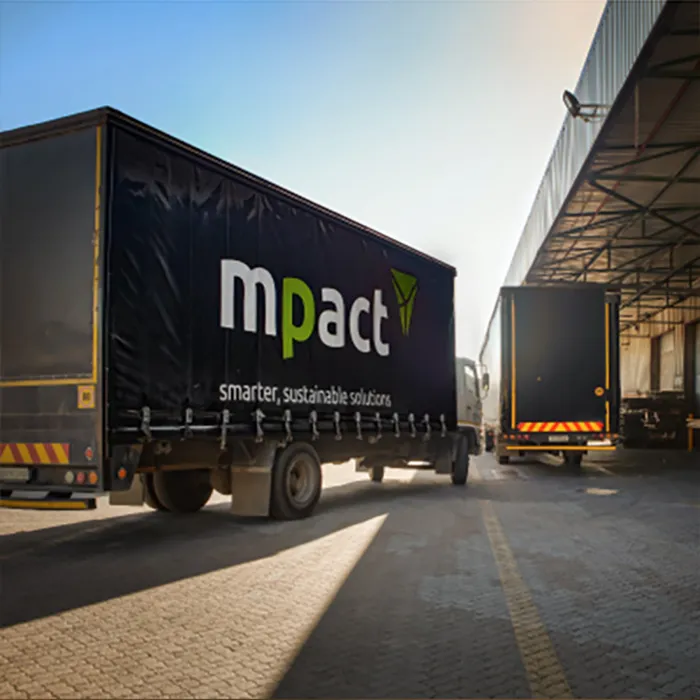
Mpact, South Africa’s largest collector of recyclable packaging materials has entered 2026 with a more focused, better-balanced portfolio and a strengthened operating platform but it faces a range of challenges including global supply chain disruptions arising out of the Middle East crisis.
Image: Supplied
The escalation of conflict in the Middle East has created significant knock-on effects for South Africa’s manufacturing and export-reliant sectors, including paper and packaging, said Mpact chairman Sbu Luthuli.
The JSE-listed group is South Africa’s largest collector of recyclable packaging, recovering 639 million kilograms of material, including paper, glass, beverage cans, plastics, and liquid board packaging. The company operates from 34 sites, has 22 manufacturing sites, and employs 4,856 employees. Part of its innovation focus is the designing of over 200 packaging solutions annually.
Luthuli said in the annual report released Friday that the crisis in the Middle East has resulted in global supply chain disruptions, particularly through chokepoints such as the Strait of Hormuz, which has intensified volatility in energy and logistics costs, resulting in higher imported input prices for local producers.
“These global market shocks are acutely felt in South Africa, where long-distance trade routes and port congestion already place structural strain on supply chains. Rising freight and insurance premiums, together with longer lead times for imported pulp, chemicals, and machinery components, have amplified operational risks and cost pressures across our value chain,” he said.
He said that while pricing cycles in global paper markets and domestic demand headwinds may persist in the near term, “we expect the benefits of strategic projects, renewable energy savings, higher recovered paper volumes, and portfolio optimisation to support performance into 2026.”
On the broader economy, he said that while inflation and interest rates have eased locally and internationally, in South Africa, logistic bottlenecks, policy uncertainty, and weak investment are constraining an economic recovery.
“At a household level, the cost-of-living burden remains high, dampening disposable income. The local manufacturing sector also remains under pressure into early 2026, with December 2025 data showing a 1.4% year-on-year decline and total 2025 output contracting by 1.3%, signaling a continued slump heading into the new year.”
“Key challenges remain entrenched, including energy shortages, high production costs, soft domestic demand, and pressure from US tariffs, which continue to undermine competitiveness and weigh on sector performance.”
Agriculture remains “a notable bright spot,” with record citrus exports in 2025. The sector is central to Mpact’s growth strategy, with several projects aligned to agricultural customer needs.
Climate and resource risks intensified during the past year. Businesses, particularly those reliant on water and energy security, faced disruptions from infrastructure weaknesses, prompting increased investment in resilience and local resource security measures.
"Demand patterns across paper and plastics packaging continue to evolve. Regulatory pressure against single-use plastics and growing consumer preference for recyclable, fibre-based solutions strengthen the medium-term outlook for paper and paperboard formats. However, global cyclical weakness in paper markets has resulted in selling price declines that outpace input cost reductions, placing pressure on margins."
Recent US tariffs and growing economic nationalism also added pressure to global markets, contributing to sustained pricing volatility across the packaging value chain.
“Locally, we faced challenges with imports, particularly of cartonboard and containerboard, as cheap imports flooded the South African market. There was also substantial demand for Old Corrugated Containers (OCC) in the export market, putting pricing pressure on the recycling business.”
E-commerce and food service (QSR) channels continued to underpin steady demand for corrugated boxes, folding cartons, and flexible packaging formats. Industry shifts toward bio-based materials and advanced recycling solutions continued to shape long-term competitiveness.
CEO Bruce Strong said they anticipate a stronger 2026 performance from the Plastics business relative to last year. Both FMCG Wadeville and Bins & Crates have completed their cost-base restructures, and the combination of these efficiency gains with increased sales volumes is expected to support healthier margins across the division.
“With the group’s major investment cycle now largely complete, Mpact’s strategy focus has shifted decisively from capital expansion to realising the full potential of its modernised asset base. Key priorities for 2026 include optimising returns from recent investments, accelerating the commercialisation of SLS, driving efficiency improvements, and advancing targeted portfolio optimisation.”
"Mpact entered 2026 with a more focused, better-balanced portfolio and a strengthened operating platform. The group is well positioned to navigate near-term challenges and deliver improved returns,” he said.
BUSINESS REPORT