SA’s online buyers opt to save
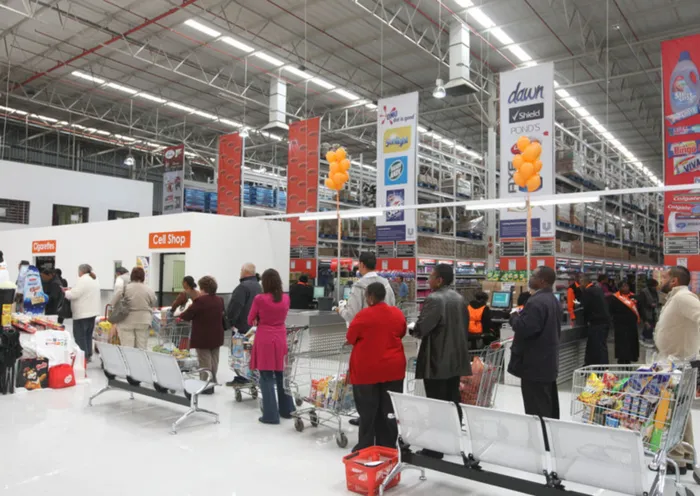
Two of of three consumers have switched companies.photo by Simphiwe Mbokazi 3 Two of of three consumers have switched companies.photo by Simphiwe Mbokazi 3
A recent survey of online consumers shows that South Africa is the most pessimistic country in the region encompassing the Middle East, Africa and Pakistan, as the rising cost of living and high unemployment take their toll.
In response, consumers are trying to settle debt and save spare cash.
This is according to the Nielsen Global Survey of Consumer Confidence and Spending Intentions, which says that South African online consumer confidence rose 2 points to 80 in the first quarter, after remaining flat for two successive quarters last year. Despite the modest gain in the first quarter, it remains 8 points down when compared with a year ago.
“There simply has not been enough consistent positive news to sustain the euphoria consumers felt during 2010 and (early) 2011,” said Dwight Watson, Nielsen’s managing director for sub-Saharan Africa.
The regional average is 97 points and Saudia Arabia is the most optimistic country, at 119 points. The global average is 94 points. Asia Pacific is the most optimistic region with 103 points and Europe is the most pessimistic at 72.
The survey, conducted between February 10 and 27, polled 28 000 online consumers in 56 countries. It is based on the behaviour of respondents with online access. Internet penetration rates vary by country.
The survey shows that the major concerns for local online consumers in the first quarter were debt, job security, the state of the economy, crime, increasing food and fuel prices and rising utility bills.
These challenging economic conditions have led to online consumers opting to settle debt and save spare cash.
According to the survey, 67 percent of South African consumers believe the country is in recession and more than half believe the country will still be in recession in a year’s time.
Although just under half of respondents indicate that the state of their personal finances is good, about half of those polled believe it is not a good time to buy items that are most wanted, such as luxury items, big-ticket household items or technology upgrades.
“A phenomenal 83 percent indicate that they have adjusted their spending habits once again,” the survey found. More than 60 percent of those polled had opted to save on household expenses by cutting down on take-away meals, saving on petrol and electricity, spending less on new clothes, and limiting out-of-home entertainment. Even when economic conditions do improve, consumers indicated they would continue to trim expenses, including switching to cheaper grocery brands.
But other data recently released show consumer confidence is not that strained. A Statistics SA report released last month showed retail sales rose 7.2 percent year on year in February from January’s revised 4.2 percent annual rise.
In February, retailers of jewellery, recreation items, household furniture and appliances fared the best in terms of annual growth in sales.
Retail jobs are also on the rise, as indicated by the Quarterly Labour Force Survey.
And the February Sparks Cash index, which measures the average cash withdrawals across 1 500 ATMs, noted that consumer spending and trading conditions were stabilising following a significant drop in January