
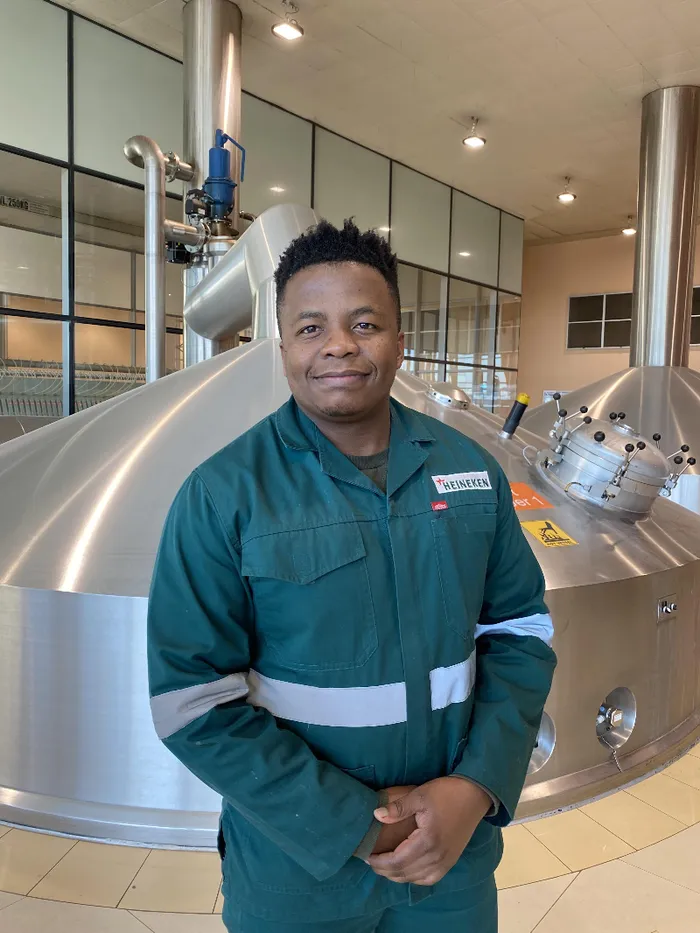
BrewMaster Phumlani Zwane eloquently articulates this sentiment: “Brewing will always be an art, but innovation helps us refine that art with more precision and more care for the planet.”
Image: Supplied.
Brewing might be an ancient craft, but the modernisation sweeping through South Africa’s beer industry is profound and transformative.
No longer confined to traditional methods, breweries across the nation are embracing cutting-edge technology and sustainable practices, all while navigating the complexities of today's market.
One of the flagship examples of this shift is HEINEKEN Beverages’ Sedibeng Brewery in Gauteng.
The facility has become a reflection of how innovation can reinvigorate the brewing process and enhance the product quality, proving that the age-old craft can harmoniously coexist with the latest technological advancements.
At the core of this transformation is the adoption of artificial intelligence.
Sedibeng has taken significant strides in AI-powered brewing intelligence, piloting software that forecasts key metrics such as wort colour and beer turbidity even before the final checks.
This proactive approach offers brewers a more refined understanding of quality, aligning with an industry-wide desire for predictive tools that not only reduce waste but also bolster flavour consistency.
Additionally, innovative smart filtration systems have made their way into the Sedibeng brewhouse. With the implementation of Meura’s ILOBOX AI programme, the brewery optimises its filtration time and minimises extract losses, ensuring efficiency without compromising on taste.
Meanwhile, the integration of Aber meters allows brewers to measure live yeast concentrations with remarkable precision, contributing to the creation of stable, award-winning beers.
Digitalisation is another key player in this brewing renaissance.
The move from handwritten quality logs to sophisticated digital tracking systems allows for quicker problem resolution, improved traceability, and enhanced focus on meaningful brewing challenges.
Adding to this technological evolution, Sedibeng employs remote drone surveillance to monitor for potential hazards, showcasing an impressive commitment to safety that extends beyond product quality.
However, innovation in today’s landscape must also embrace sustainability. South African breweries are increasingly realising the importance of responsible brewing practices.
For instance, Sedibeng’s replacement of 650mL non-returnable glass bottles with 660mL returnable bottles illustrates a significant step towards minimising waste. Moreover, the shift from plastic shrink-wrap to recyclable cardboard for six-pack packaging reflects ongoing efforts to reduce plastic consumption.
These initiatives align with an industry-wide ambition to cut emissions, optimise water usage, and create circular systems that safeguard resources.
As Charlene Louw, CEO of the Beer Association of South Africa (BASA), aptly states, “Innovation is the backbone of a resilient beer industry.” This embodies the collective spirit of an industry that refuses to remain stagnant, investing in future-proof technologies, greener production methods, and better overall experiences for consumers.
People play a crucial role in this ongoing transformation. Programmes like Sedibeng’s traineeship, which has successfully turned 16 learners into full-time employees in just four years, showcase how breweries are not only nurturing future talent but also actively contributing to job creation within their communities.
Industry experts concur that the future of brewing lies at the intersection of craftsmanship and advanced technology.
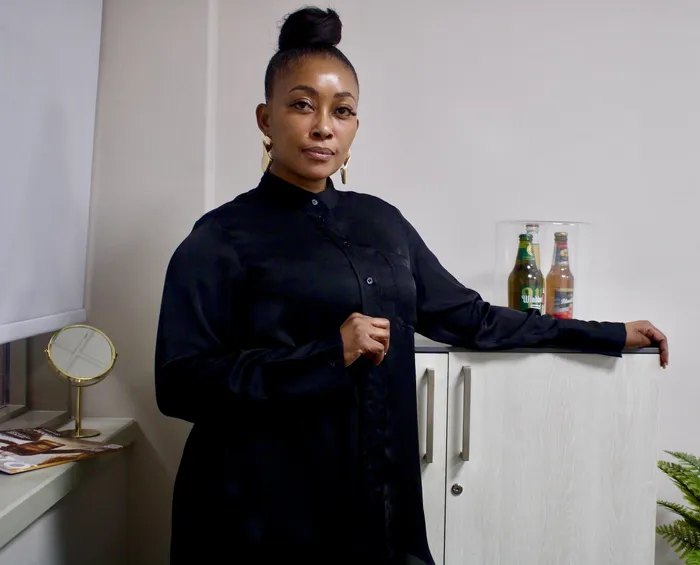
Charlene Louw, CEO of the Beer Association of South Africa (BASA)
Image: Supplied.
BrewMaster Phumlani Zwane eloquently articulates this sentiment: “Brewing will always be an art, but innovation helps us refine that art with more precision and more care for the planet.”
As South Africa’s beer industry boldly strides forward, it demonstrates that it is not merely adapting to change, it is reimagining what contemporary brewing can and should entail.
BUSINESS REPORT