
With the luxury fashion market undergoing a renaissance, discover how South Africans are leading the charge towards sustainable consumption and reshaping the norms of style and ownership.
Image: Pexels
As the global fashion industry grapples with its significant environmental footprint, a discernible shift toward circular luxury is emerging, particularly among South African consumers.
According to Luxity's eighth annual Stagjte of the Luxury Market in Africa report, the second-hand market is now expanding at an astounding rate, three times faster than new retail.
This movement reflects both environmental consciousness and a growing economic awareness among consumers.
The fashion industry is responsible for up to 8% of global carbon emissions and is the second-largest user of water globally.
A successful bid to impact this alarming statistic is underway as more people turn to pre-owned luxury goods.
Each purchase of a second-hand designer handbag, for example, conserves over 8kg of CO₂ and 22 litres of water compared to buying a brand-new item.
A pair of pre-loved designer shoes contributes an additional savings of 3kg of CO₂ and more than 7 litres of water.
Michael Zahariev, co-founder of Luxity, points to the financial implications driving this trend, “Luxury goods are increasingly behaving like investment-grade assets.”
As proof, he references market statistics that reveal Hermès bags retain 67.8% of their retail value on the secondary market, while Chanel and Louis Vuitton bags hold 64.4% and 64.2% of their original prices, respectively.
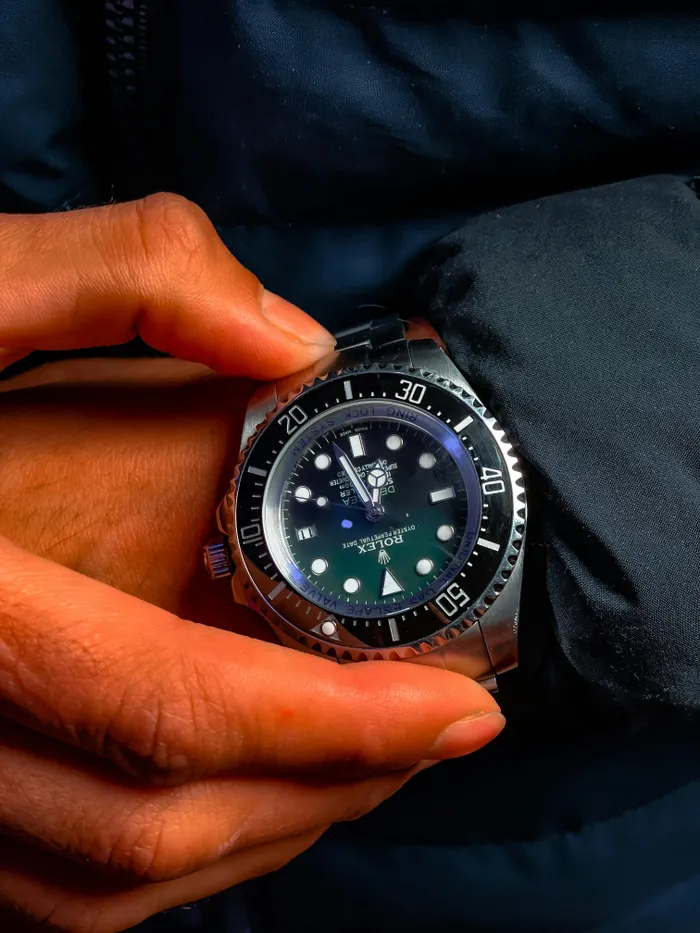
Notably, Rolex watches have seen an impressive annual appreciation rate, trading now at 126.5% of their current retail price.
“We’re seeing wealth preservation and environmental consciousness converge,” Zahariev asserts.
This shift isn’t simply about sacrificing style but instead reflects a smarter consumption model that benefits both financial portfolios and the environment.
South African shoppers are increasingly opting for “forever pieces,” a marked departure from fleeting fashion trends.
Search interest for luxury handbags has risen by 14.6% year-on-year, while jewelry has surged by a phenomenal 43.8%.
Conversely, categories known for shorter lifecycles, such as shoes and wallets, are experiencing downward trends of 10.2% and 21.3%, respectively.
“Shoppers are redirecting attention from fast-turnover fashion to tangible assets,” Zahariev explains.
“This reweighting toward permanence underscores a market prioritising pieces that hold or grow in value, thereby extending product lifecycles and reducing waste.”
Remarkably, since 2019, while the overall luxury sector has grown by 168%, Luxity has expanded by an astonishing 594.15%, showcasing not a fleeting trend but a substantial permanent behavioural shift.
“Buyers now understand that longevity isn’t just an environmental virtue in this market; it’s a financial deliverable,” Zahariev said.
In this new luxury landscape, the most financially sound decisions now align with sustainable choices, driving both profit and purpose.
BUSINESS REPORT