

In an age dominated by digital banking, discover why South Africans still prefer the tactile savings method of Savings Stamps, helping families thrive and budget effectively in 2026.
Image: Supplied.
In a world where fintech apps and digital wallets dominate the financial landscape, some South African households are opting for a more traditional approach to saving.
Shoprite Savings Stamps, a trusted savings tool, remain remarkably resilient, with consumers pouring over R120 million into these stamps each month.
The retailer said that this nostalgic method of saving has outpaced many digital alternatives, showcasing an annual growth rate exceeding 20%.
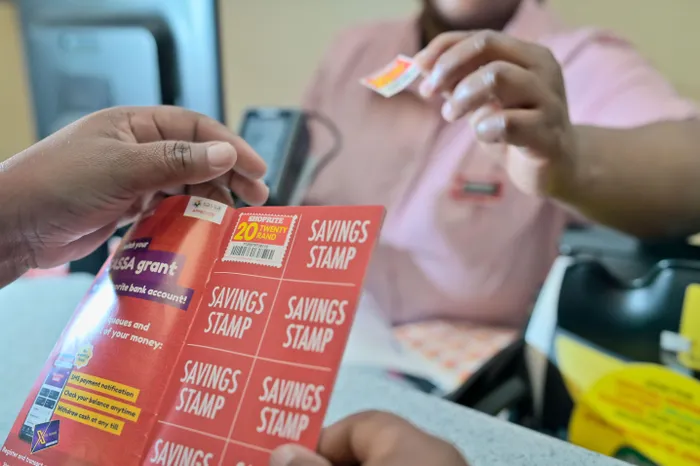
The allure of Savings Stamps lies in their simplicity and accessibility. Customers can purchase R10 or R20 stamps at Money Market counters in Shoprite, Checkers, or Usave stores.
Each stamp is tracked in a booklet, allowing individuals to monitor their savings visually.
When it comes time to redeem them, customers can enjoy the full or partial value of their stamps at any of the Group’s supermarkets.
Crucially, these stamps come with no associated fees, no interest, and no hidden charges, making them a practical choice for many.
“While digital banking options are growing, the continued rise in Savings Stamps purchases shows that many consumers still value a method they can see, touch, and control,” explained Jean Olivier, General Manager for Financial Services at the Shoprite Group.
This statement encapsulates a growing sentiment among consumers: the desire for tangible savings strategies that can foster financial discipline without the complexities often associated with modern banking solutions.
Shoprite's in-house data reveals a significant trend: while some customers redeem their stamps regularly, most choose to save consistently throughout the year.
Notable spikes in stamp redemption occur during critical shopping periods, including Black Friday, Easter, the festive season, and the January back-to-school rush.
This consistent behaviour underscores the role of Savings Stamps as not just a novelty but a competent financial tool that facilitates budgeting without the pitfalls of credit or debt.
Furthermore, the programme has become an entrepreneurial springboard for over 6,200 selling agents, predominantly women, who collectively earned more than R16 million in commissions last year.
This initiative not only empowers individuals within their communities but also creates opportunities for supplemental income, reinforcing the positive social impact of the Savings Stamps programme.
With the New Year prompting many people to set fresh savings goals, Olivier emphasised that these stamps provide a reliable and convenient method for consumers to work towards their purchasing aspirations.
As households navigate their financial journeys, the enduring appeal of Savings Stamps exemplifies a steadfast option that aligns perfectly with the rhythm of everyday life.
BUSINESS REPORT