Small-scale fishing sector takes up allocations fight to Parliament
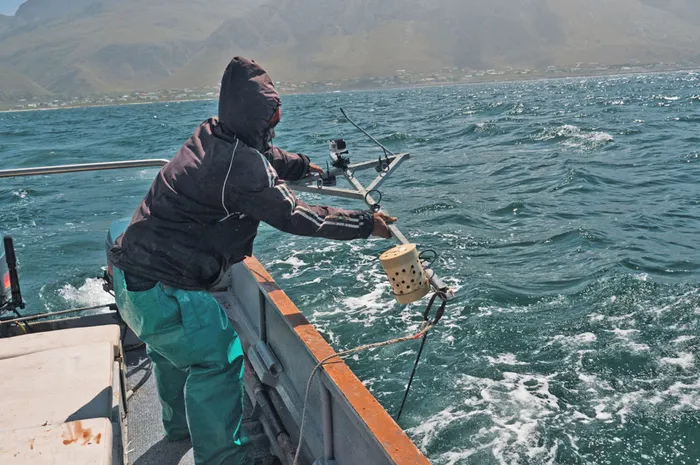
Small-scale fishers have appealed the Department of Fisheries and Forestry (DFFE) 2026/27 linefish allocation decision.
Image: File
Small-scale fishers appealing the Department of Fisheries and Forestry (DFFE) 2026/27 linefish allocation decision last week—which reduced the Total Allowable Effort (TAE) for small-scale cooperatives from over 547 to just 77, and redistributed the commercial sector’s linefish allocation, which received 378 of the total 455 vessels—have been told they must lodge a special appeal to the Minister. This comes as the department will separately respond within the week to their petition, as demanded.
The sector delivered a petition in protest to the DFFE during a sitting of the Portfolio Committee on Forestry, Fisheries and the Environment. The petition was signed by 46 cooperatives and nine organisations, including the West Coast Small-Scale Fishers Forum, Masifundise and Coastal Links.
The sector said the Eastern Cape and KwaZulu-Natal have been allocated a combined total of only 18 vessels, to be shared between the two provinces, which collectively host 109 small-scale fishing (SSF) cooperatives and over 7,000 recognised small-scale fishers.
DFFE Director-General Nomfundo Tshabalala told representatives of the small-scale fishers that the decision can only be reviewed by the Minister. She said that, as a way forward, an appeal must be formally submitted so that an independent appeal team—separate from the delegated authority—can consider the matter and make recommendations to the Minister.
The DFFE said the split is in line with the best available scientific and management recommendations.
“We find ourselves as a department in a dilemma of ensuring rebalance, because whatever we come up with as a recommendation is informed by science. Science is saying this is how much is available in terms of the catch, and this is how much you can allow in terms of the rights that need to be allocated. Obviously, we must then balance that with livelihoods and ensure that we do not deplete the fish stocks, in this case traditional linefish. But that does not mean we must ignore livelihoods and promote only conservation. There must be a balance,” Tshabalala said.
She added that the decision was taken in terms of the Marine Living Resources (MLR) Act by delegated authorities and would require a comprehensive appeal to be submitted separately from the response demanded by Friday this week.
Linefish quotas are measured by “Total Allowable Effort” (TAE), which refers to the number of vessels permitted to go to sea to catch fish.
The fishers are demanding a reversal of the TAE decision, describing the allocation as “unsustainable, unjust, and made without meaningful consultation”. They want the department to engage properly with affected communities.
Fishers have also requested an exemption when their permits expire on 28 February, saying linefish is the “backbone” of fishing communities and that they depend on it for survival.
Chairperson of Coastal Links Western Cape, Andre Cloete, said fishers want to know how the department arrived at its decision, as they received no responses to their communications and were not given an opportunity to discuss the quotas.
“The Department continues to prioritise the profits of a few over the food security and economic development of many. The TAE composition remains unchanged from the 2023 FRAP process, despite DFFE’s awareness that it contradicts longstanding commitments made to the SSF sector. This allocation clearly favours commercial fisheries at the expense of strengthening local small-scale fisheries,” Cloete said.
Hilda Adams, the chairperson of the West Coast Small-Scale Fishers Cooperative Forum, said that if the DFFE does not act quickly, fishers will not have valid permits to fish in March.
Adams said small-scale fishers use small boats and less damaging fishing gear.
In a recent statement, Masifundise, a small-scale fishing advocacy group, said communities are concerned that the decrease in TAE will leave hundreds of households without income, deepen hunger in already vulnerable coastal areas, and create conflict within cooperatives forced to decide which members may fish and which may not.
BUSINESS REPORT