

The latest CPI data shows promising signs for South Africa’s economy, bringing inflation closer to target amidst supportive policy frameworks. What does this mean for consumers and investors alike? Discover the intricate details shaping South Africa’s economic landscape in our full article.
Image: File
South African consumers welcomed a slight reprieve in inflation rates as the Consumer Price Index (CPI) for January 2025 reported a decrease to 3.5%, down from 3.6% in December.
While prices rose by 0.2% month-on-month, this latest figure aligns closely with the recently adopted 3% inflation target, reflecting a robust disinflationary trend that policymakers are dedicated to entrenching.
Reza Hendrickse, Portfolio Manager at PPS Investments, said that this is the constructive nature of this month's inflation release.
The primary contributors to the headline figure included significant sectors such as housing, which recorded a year-on-year increase of 4.8%, food and non-alcoholic beverages climbing to 4.4%, and insurance and financial services marking a notable 6.8% increase on an annual basis.
In a deeper analysis, goods inflation fell to 2.7%, representing a decrease from 3.0%, while services remained steady at 4.2%.
January's report showed a pivotal swing factor in relation to December's numbers: transport costs. Reflecting a month-on-month drop, this sector turned slightly negative on an annual basis, largely driven by a sharp decline in fuel prices.
This easing has played a crucial role in counterbalancing upward pressures from food prices, which, despite an overall month-on-month increase, saw particularly high inflation in meat products.
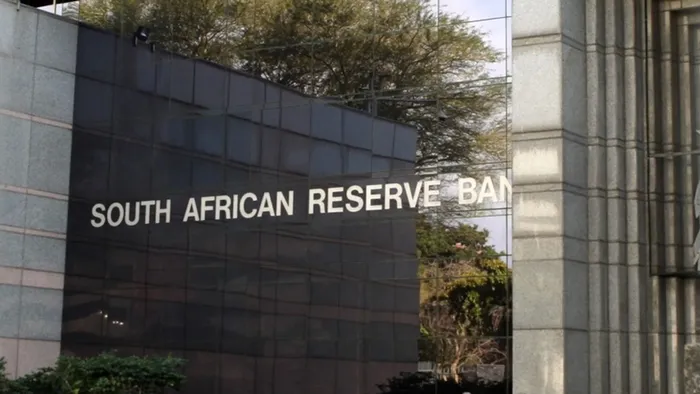
From a broader policy perspective, the latest CPI release resonates with the South African Reserve Bank’s (Sarb) recent statements.
The Monetary Policy Committee (MPC) opted to maintain the repo rate at 6.75% during its latest meeting, promoting a cautious yet data-dependent approach that underscores progress toward the new inflation target. The prevailing data strengthens the case for maintaining a patient easing bias moving forward.
Support for this regulatory stance comes from a favourable institutional backdrop.
The National Treasury's formal endorsement of the 3% target framework not only enhances policy credibility but also aids in reducing the inflation risk premium that is often seen in domestic rates.
SARB Governor Lesetja Kganyago has reiterated optimism, projecting that inflation levels should generally hover around the 3% mark through 2026, aligning with a stronger, structurally lower inflation regime.
Lead economist at KPMG, Frank Blackmore, told Business Report that this CPI data release was in line with expectations.
"Initially, inflation was going to increase slightly due to base effects, but will eventually recede, ending somewhere to 3.3 to 3.4% for the year as a whole and it should not disrupt interest rates. We expect a total reduction of about 50 basis points to the repurchase rate throughout the year."
Overall, the January CPI figures support the narrative of sustained, albeit uneven, disinflation.
Unless there is a resurgence of currency weakness or unexpected commodity shocks, the outlook suggests that risks favour ongoing moderation in inflation rates.
BUSINESS REPORT