

South Africa's GDP growth shows signs of recovery but remains fragile. Explore the insights from leading economists on the challenges facing the economy and what steps can be taken for a more sustainable future.
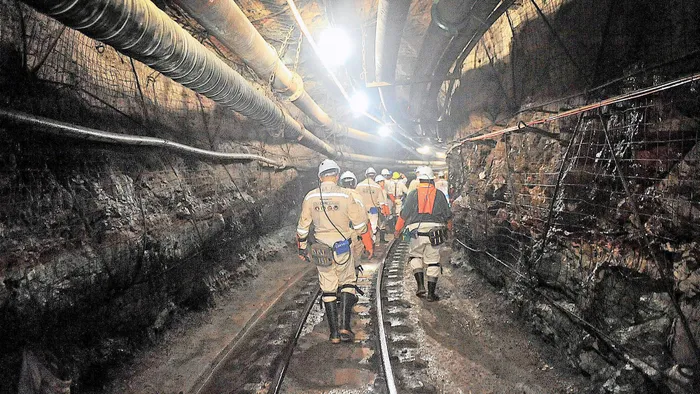
Image: Itumeleng English/ Independent Newspapers
South Africa's latest Gross Domestic Product (GDP) figures released this morning present a picture of a fragile economic recovery.
Despite a modest increase of 0.4% in the fourth quarter of 2025, the overall growth for the year has reached just 1.1%, a figure that remains insufficient to address the country’s pressing challenges of poverty and unemployment.
Frank Blackmore, Lead Economist at KPMG South Africa said that these developments, while slightly improved from last year's meagre growth of 0.5%, emphasise an economy that struggles to fulfill its potential amid systemic challenges.
Blackmore said, "Five sectors recorded positive growth between the third and fourth quarters, with the finance industry being the standout performer, contributing 0.3 percentage points to the overall growth. Agriculture, trade, government, and personal services also made notable contributions, highlighting a somewhat diversified approach to economic activity."
"On the expenditure side, household final consumption expenditure surged by 1.2%, providing a significant boost and contributing 0.8 percentage points of the overall growth," he further said.
However, the economic landscape, outlined by Chief Economist Chifipa Mhango of the Don Consultancy Group (DCG), remained fraught with structural bottlenecks.
“The economy is stabilising, but still operating well below its potential,” Mhango noted.
“An annual growth rate slightly above one percent is simply not sufficient for a country facing structural unemployment and urgent industrial expansion needs,” Mhango said.
Mhango's analysis sheds light on the ongoing vulnerabilities within South Africa's economy, where reliance on consumption-driven growth raises concerns about long-term sustainability.
While growth in the services sector is noteworthy, it underscored a critical point: true resilience requires a robust expansion in productive sectors, such as manufacturing, mining, and infrastructure development.
The manufacturing sector exhibited concerning signs of contraction, declining by 0.6% in the fourth quarter, while electricity production fell by 2.2% and construction activity by 1.3%.
These setbacks highlighted the structural limitations that continue to stifle economic momentum.
“The contraction in these sectors is particularly concerning given their importance for employment and industrial development,” Mhango stated, further emphasising the pressing need for addressing energy shortages and logistics bottlenecks.
Investment activity remained tepid, with gross fixed capital formation increasing slightly in the fourth quarter, yet showing an overall decline of 2.2% for the year.
This cautious approach from investors signaled a critical barrier that South Africa must overcome to achieve sustainable growth.
Mhango further said, “Investment is the most critical component required to unlock higher growth.”
Notably, the agricultural sector emerged as the strongest performer in 2025, benefitting from improved harvests and favourable weather conditions.
This sector alone cannot propel broader economic growth. Mhango cautioned, “While agriculture contributes positively, it cannot substitute for industrial expansion.”
Neil Roets, CEO of Debt Rescue told Business Report that this offers limited immediate relief to households already struggling with rising living costs and mounting debt obligations.
Roets highlighted the worrying reality that many families are stretched thin, with stagnant wages failing to meet the rising costs of living.
Despite commendable efforts to stabilise economic growth and address the growing debt burden during South Africa's Minister of Finance's recent Budget, Roets said that with the country’s debt climbing toward R5.3 trillion, the challenge remains for households to navigate tight financial margins amidst slow economic growth, which is estimated at a mere 1.6% for 2026.
The findings within the StatsSA data serve as a clarion call for policymakers to accelerate structural reforms aimed at enhancing economic competitiveness and attracting much-needed investment. Addressing infrastructure and energy challenges must take precedence for meaningful progress to occur.
Looking ahead, Mhango pointed out the importance of strengthening export-oriented industries to build resilience in South Africa's economic framework.
With the right reforms, including energy stability and improved logistics, South Africa could transition from a low-growth equilibrium to a more competitive economic trajectory.
Follow Business Report on Facebook, X and on LinkedIn for the latest Business and tech news.