

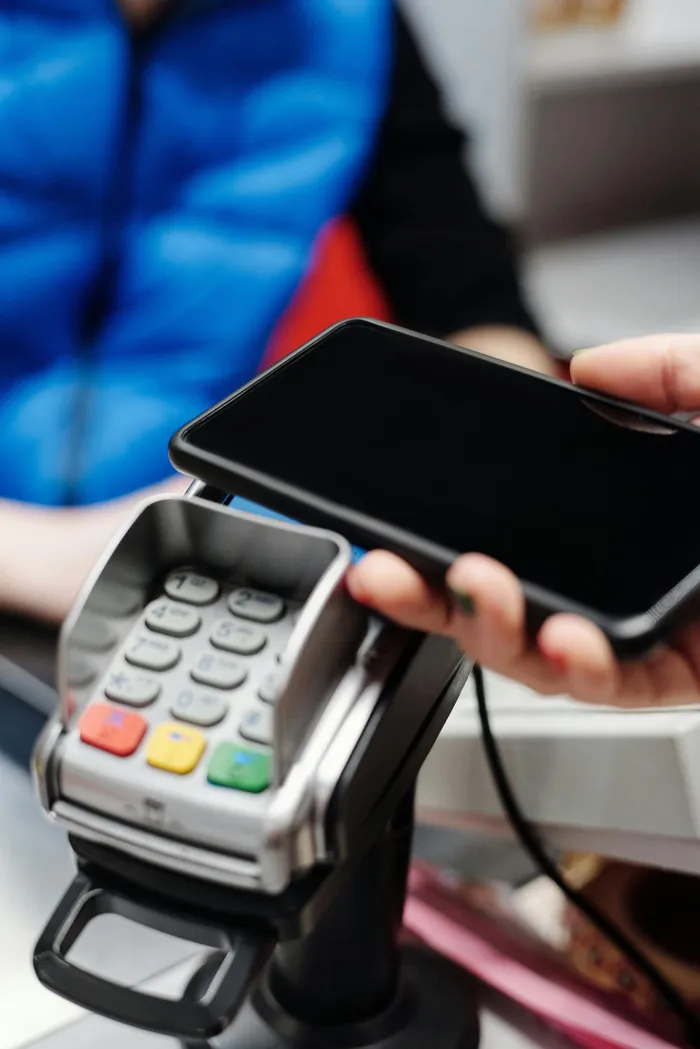
As annual bonuses hit bank accounts, a surprising pattern is emerging in South Africa: consumers are increasingly turning to buy now pay later schemes, strategically balancing debt repayment with seasonal spending. Discover how this trend is reshaping consumer habits across the country.
Image: Pexels.com
Every year, as the clocks tick into February and March, the trend becomes unmistakably clear: a surge in South African purchases made through Buy Now Pay Later (BNPL) schemes.
This yearly spike coincides with the payout of annual bonuses from companies across the nation.
While it might seem counterintuitive for consumers to indulge in BNPL after receiving an influx of cash, the rationale is intriguingly strategic, according to Tracey-Lee Zürcher-Campbell, spokesperson at Payflex.
“Responsible consumers often allocate a large portion of their bonuses towards paying down significant debts, like store cards or credit cards. Yet, they still wish to treat themselves. BNPL allows them to manage their smaller indulgences over a few weeks without incurring extra interest, all while maintaining their debt repayment strategies,” she said.
Payflex's data revealed a striking seasonality in consumer spending habits.
Zürcher-Campbell highlighted that spending patterns notably ramp up as winter approaches, driven by the higher costs associated with winter fashion compared to summer collections.
Additionally, the most substantial spikes in spending occur during key retail events such as Black Friday in November and the festive season in December.
January and February are often seen as months of financial restraint, dubbed “Janu-worry” by many South Africans.
Zürcher-Campbell said, “The overall rand value of spending dips during these months, even as the volume of transactions remains steady throughout the year, adjusted for annual growth.”
Diving deeper into user demographics, BNPL platforms see a predominance of female users, who make up around 73% of the total.
The fashion and apparel sector leads in spending, followed closely by general marketplaces like Takealot and Makro, which offer a diverse range of products.
Other popular categories include tech and electronics, home and décor, as well as health and beauty, reflecting a broad variety of consumer interests.
Further analysis by TransUnion’s CreditVision Telco Data Score indicated that over 1.4 million credit-invisible South Africans successfully open new credit accounts each year.
Alarmingly, around 35% of these individuals are aged under 25, an age group that often relies on BNPL solutions to acquire essential items, such as professional clothing, before their first salaries arrive.
Zürcher-Campbell said, “This trend naturally aligns with the popularity of the fashion and apparel category. With BNPL, consumers can make informed spending choices without risking excessive debt.”
This controlled approach allows consumers to strategically distribute their spending throughout the year, leveraging manageable credit limits wisely.
With impressive growth observed over the past year, Payflex anticipates the BNPL market size to double in the upcoming financial year, signalling a burgeoning trend that is reshaping how South Africans manage their finances.
Follow Business Report on Facebook, X and on LinkedIn for the latest Business and tech news.