

The Agricultural Business Chamber of South Africa Agbiz/IDC Agribusiness Confidence Index (ACI) released on Wednesday indicated that the index fell by 18 points in Q1 2026 to 49, its lowest level since Q3 2024.
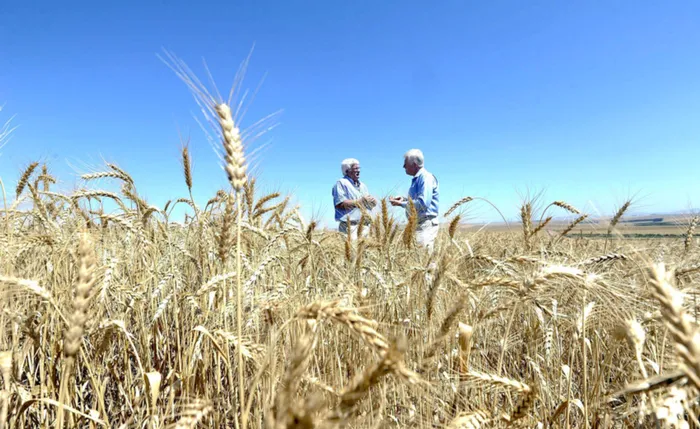
Image: Leon Lestrade/Independent Newspapers
The Agricultural Business Chamber of South Africa Agbiz/IDC Agribusiness Confidence Index (ACI) released on Wednesday indicated that the index fell by 18 points in quarter one 2026 to 49, its lowest level since quarter three 2024.
Wandile Sihlobo, the chief economist at Agbiz, said that the spreading of foot-and-mouth disease, which continues to impose immense financial pressure on the cattle industry; African swine fever in the pig industry; and pressures from lower global prices in the sugar and wheat industries are amongst the key constraints that some respondents highlighted as major risks weighing on sentiment.
“Moreover, rising concerns about the impact of the Middle East conflict on energy and fertiliser prices also added to the downbeat mood in the sector. The current ACI level of 49 is just under the 50-neutral mark, suggesting that South African agribusinesses are becoming somewhat pessimistic about business conditions in the country,” he said.
Sihlobo added that the survey was conducted in the first week of March 2026 and covered agribusinesses operating across various agricultural subsectors nationwide. The turnover subindex confidence fell by 21 points from Q4 2025 to 50. This was primarily driven by views from winter crop-growing regions, which recorded relatively poor yields at a time when global wheat prices are under pressure. We also have concerns in the beef and dairy industry respondents due to the ongoing foot-and-mouth disease.
Sihlobo said that the net operating income subindex declined by 22 points to 43 in Q1 2026. This is the lowest level since the end of 2024 and is also underpinned by similar factors. The market share subindex deteriorated by 17 points to 54 in Q1 2026. Most respondents across the various subsectors shared this pessimism, and we suspect that the port inefficiencies in Cape Town also added to the downbeat mood.
Sihlobo added that the employment subindex declined by 14 points to 39 points in Q1 2026.
He said, “This mirrors the sector's general sentiment, though it's worth noting that the livestock industry is not the major employer in agriculture. Most jobs are in the horticulture, wine and field crop industries. Still, the downbeat mood may also reflect the sector's broader mood amid the pressures of foot-and-mouth disease and the Middle East issues.”
Sihlobo said the capital investments subindex dropped by 20 points from Q4 2025 to 54.
“This major decline is again more about the sector's general mood than about overall activity. For example, farmers continue to invest in tractors and combine harvesters. South Africa's tractor sales totalled 669 units in February 2026, up 5% year-on-year. The combine harvester sales were 19 units, up 63% from the previous month. These strong monthly sales follow the January 2026 uptick,” he said.
Sihlobo added that the sub-index measuring export volumes deteriorated by 25 points from Q4 2025 to 50. Concerns about the impact of the Middle East conflict on logistics, along with rising shipping costs, may be the primary challenges here. Aside from these issues, the production conditions in horticulture and field crops look promising across South Africa.
Sihlobo said that the general economic conditions subindex remained fairly resilient, dropping only by a point to 61 in Q1 2026.
“This lasting sense of optimism is consistent with the country's general macroeconomic sentiment following S&P's credit rating upgrades, South Africa's removal from the FATF grey list, and numerous positive developments stemming from the implementation of Operation Vulindlela,” he said.
Sihlobo added that the general agricultural conditions subindex fell by 31 points to 39 in Q1 2026. This is the lowest level since the end of 2024. The unfavourable production conditions in the Western Cape during the winter crop season, excessive rainfall in the northeastern parts of the country, and animal diseases are the major issues weighing on agricultural conditions.
Sihlobo said that the ACI results for Q1 2026 show that all is not well in South Africa's agriculture.
“The livestock and pig industries are under immense financial pressure because of the diseases, and these results mirror the challenge at hand. What remains key is a speedy vaccination process that will get us off the current worrying path. The Middle East conflict also presents new challenges, complicating our exports to the region and putting pressure on fuel and fertiliser prices. These factors may weigh on the sector as we approach the 2026-27 winter crop season and later in the 2026-27 summer crop season,” he said.
BUSINESS REPORT