

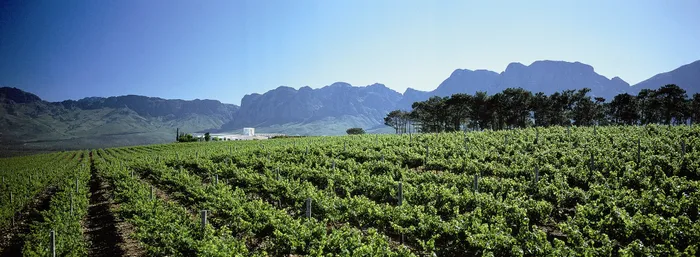
South African wine grape producers are upbeat as the 2026 harvest progresses, with the third crop estimate indicating a larger harvest and quality indicators showing strong potential across several cultivars
Image: Supplied
South African wine grape producers are upbeat as the 2026 harvest progresses, with the third crop estimate indicating a larger harvest and quality indicators showing strong potential across several cultivars.
South Africa Wine last week said that with approximately three-quarters of the harvest already completed by early March, the industry now expects a larger 2026 harvest.
“Encouragingly, the national vineyard area has remained largely stable, declining by only 19 hectares year-on-year to 85 525 hectares, reflecting a period of consolidation after recent structural adjustments in the sector.”
Dr Etienne Terblanche, manager of Vinpro Consultation Services, said that favourable climatic conditions during key stages of the vineyard growth cycle laid the foundation for a positive harvest.
“Moderate summer conditions during bunch initiation in 2025 created a strong basis for fruit development in 2026. Combined with healthy vine canopies after harvest and winter rainfall close to long-term averages, vines entered the new season with sufficient reserves and good soil moisture levels,” he said.
Terblanche added that warm, dry spring conditions led to budburst roughly 10 days earlier than usual, with particularly even budding and minimal frost damage.
“These conditions supported good flowering, fertilisation, and fruit set, resulting in improved cluster numbers per vine, especially in early cultivars such as Chardonnay, Pinotage, and Chenin Blanc. Although smaller berry size occurred due to the dry conditions, this was largely offset by increased fertility, meaning more berries per cluster or more bunches per vine.”
South Africa Wine said that after a prolonged period of hot, dry, and windy weather, February rainfall across several wine-growing regions brought welcome relief, helping to alleviate earlier concerns about water availability.
It added that late red varieties are also progressing well, with small berries and good colour development indicating excellent wine quality potential.
Rico Basson, CEO of South Africa Wine, said that the improved crop outlook and promising quality indicators are encouraging for the South African wine industry.
“Following a more subdued sales period in some markets over the past year, the larger harvest will require careful supply management across the value chain. At the same time, it strengthens our ability to respond to growing opportunities for South African wines globally, while continuing to build the country’s reputation for quality, diversity, and value,” Basson said.
“The focus remains on stimulating demand, expanding market access, and ensuring the long-term sustainability and competitiveness of the industry.”
Francois Rossouw, CEO of Southern African Agri Initiative (Saai), said a bigger crop means more tonnes to sell, and good quality across key cultivars improves the chances of earning a better price and strengthening long-term relationships with cellars and buyers.
“The fact that vineyard area is holding steady also suggests the sector is stabilising after a difficult period, which helps farmers plan ahead and invest with more certainty. The key now is to market and manage the crop well so that the bigger volumes translate into income, not price pressure,” Rossouw said.
Dranca Neo Phalatse, postgraduate coordinator at the Faculty of Natural and Agricultural Sciences at the University of Pretoria, said that a larger harvest, combined with favourable quality indicators, reflect the resilience of vineyards following varying seasonal conditions.
“However, it is important to note that while an improved harvest outlook is positive from a production perspective, the sector still needs to carefully manage supply in relation to market demand."
Phalatse added that sustained growth in the industry will depend not only on yield and quality but also on maintaining balanced inventories and strengthening both local and export market demand.
"Overall, the outlook is constructive, particularly if the industry continues to focus on quality-driven production and strategic market positioning.”
TLU SA general manager Bennie van Zyl said the industry was grateful every time there is a successful sector in the agricultural environment.
“It brings better opportunities for you in the future, not only for the greater income for the environment but also for the entire area, but also for the country as a whole. When there is such a success story, then a person is grateful,” he said.
BUSINESS REPORT