

As South Africans brace for fluctuating fuel prices, the cut in levies offers a glimmer of hope amidst an ongoing economic challenge. Will this temporary relief provide enough cushion for consumers, or is it merely a band-aid solution in a broader crisis? Read on to explore the intricate relationship between fuel prices, consumer choices, and the South African economy.
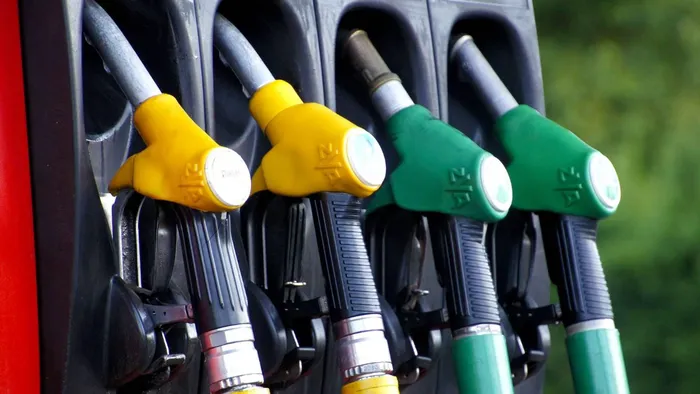
Image: File image
The South African government has made a significant move to alleviate the financial burden on motorists, announcing a temporary R3 reduction in the fuel levy for petrol and diesel effective from April 1, 2026.
This adjustment comes in response to anticipated steep increases in fuel prices at the pumps, a situation that has raised concerns across economic sectors.
Finance Minister Enoch Godongwana's announcement follows mounting pressure from workers' unions and various consumer advocacy groups, who have been vocal about the implications of soaring fuel costs on the average South African household.
Neil Roets, CEO of Debt Rescue, has welcomed the relief measure as a necessary step, acknowledging the challenging climate that consumers face in managing their budgets amidst rising living costs.
“We understand the tremendous pressure that the Minister is under. Any assistance provided to motorists to alleviate this stress is encouraging. However, the reality is that despite this cut, the overall impact of the price hikes will still be deeply felt among consumers,” Roets stated.
In a stark reminder of the challenges ahead, the consumer landscape remains cloudy.
The recent hikes are set to impact transportation costs, with discussions indicating a rise in taxi fares, an essential mode of transport for many South Africans.
Households are increasingly faced with difficult choices, balancing essential expenses such as electricity and food against the expenses driven by fuel costs.
The financial burden trickles down beyond individual consumers, as taxes and levies account for a significant percentage of petrol prices.
In April 2026 alone, the Road Accident Fund (RAF) and General Fuel Levy will add R6.35 per litre of fuel sold.
Despite the R3.00 reprieve, petrol prices will to rise by R3.60 for inland 93 and 95 octane fuels, with diesel increasing between R7.37 and R7.51 depending on sulphur content.
Frank Blackmore, Lead Economist at KPMG South Africa, indicated that these measures will cushion consumers against what could have been a more severe inflationary shock.
“Thanks to this intervention, the inflationary impact—historically a significant contributor to the Consumer Price Index, will be lowered. Instead of adding approximately one percentage point in April, we expect an increase closer to 0.6%,” Blackmore said.
There exists cautious optimism as further discussions about potential cuts in May and June continue.
While the latest measures offer temporary relief, both Roets and Blackmore concur that the government must prioritise long-term solutions to prevent recurrent fuel hikes from becoming a fixture in South African economic discourse.
Follow Business Report on Facebook, X and on LinkedIn for the latest Business and tech news.