

Rising fuel prices are prompting South Africans to stockpile petrol, but experts warn of the unseen dangers lurking in such actions. Discover the serious risks and essential safety tips that everyone should know before considering home fuel storage.
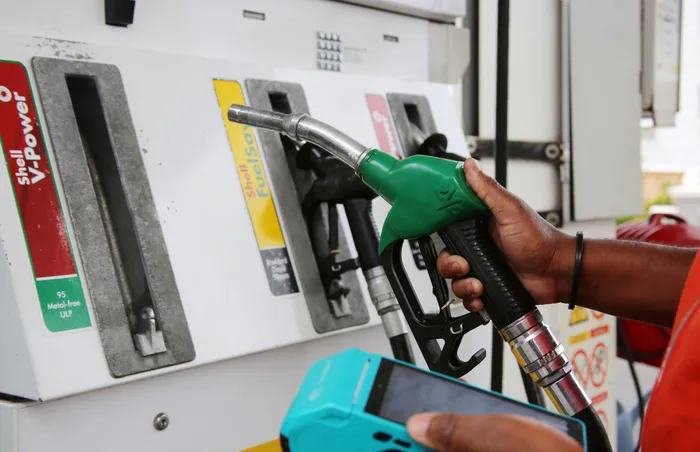
Image: Tumi Pakkies / Independent Newspapers
As fuel prices in South Africa continue to soar amid ongoing global supply uncertainties, a growing number of citizens are resorting to bulk purchasing of petrol as a precautionary measure.
However, the South African Insurance Association (SAIA) is sounding the alarm, warning of the significant safety, environmental, and insurance risks associated with storing petrol at home.
Petrol is classified as a hazardous substance under local occupational and fire safety legislation, making home storage a risky venture.
The highly flammable nature of petrol means that even a minor spark can lead to catastrophic fires or explosions.
Additionally, petrol vapours can pose serious health hazards, while spills and leaks have the potential to contaminate soil and water sources, leading to extensive environmental damage.
The dangers of improper petrol storage are immediate and real. In homes where larger quantities of petrol are stored, the risk escalates exponentially.
Municipal by-laws dictate strict limitations on how much fuel residents may store—generally capping it at 20 to 25 litres in approved containers.
Such regulations are crucial in preventing fire hazards in residential areas. Ignoring these local guidelines not only breaches safety legislation but also increases the potential for tragic accidents.
The transport of petrol also carries legal requirements that must be respected. According to the National Road Traffic Act and SANS 10231 standards, petrol purchased must be transported in approved and certified containers, such as metal jerry cans or those specifically marked UN, ASTM, or AS.
Non-compliance can incur legal consequences, with authorities taking action against offenders who disregard these regulations.
The implications for insurance coverage are equally severe.
Insurers typically disallow claims arising from illegal or non-compliant activities. Consequently, storing large amounts of petrol can significantly raise the fire risk, escalate the spread and intensity of any ensuing fire, and, in cases of damage, be perceived as contributory negligence.
Even if a fire originates in an area unrelated to the petrol storage, the presence of fuel can amplify damage, leading to potential rejected claims.
Consumers are urged to consult their insurers to revisit their policies and understand the ramifications of fuel storage.
As fuel prices march ever upward, the temptation to stockpile petrol will only grow.
Yet, with such actions come serious consequences.
By remaining informed and compliant with safety regulations, South Africans can safeguard their homes and their futures against the perils posed by improper petrol storage.
Follow Business Report on Facebook, X and on LinkedIn for the latest Business and tech news.