

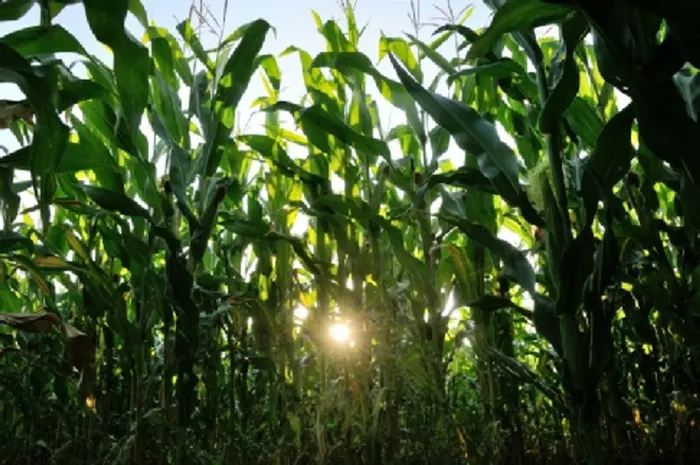
Agricultural Business Chamber of South Africa (Agbiz) said that South Africa’s agriculture had a mixed experience in the first quarter of 2026.
Image: Supplied
South Africa’s agricultural sector faced a turbulent start to 2026, with a combination of animal disease outbreaks, rising input costs, and global geopolitical tensions offsetting pockets of resilience, according to the Agricultural Business Chamber (Agbiz).
In its first-quarter review, Agbiz described the sector’s performance as mixed, highlighting both encouraging developments and significant challenges that continue to strain farmers and agribusinesses.
A major concern remains the ongoing spread of Foot-and-Mouth Disease (FMD), which has disrupted livestock farming and export markets.
Wandile Sihlobo, chief economist at Agbiz, on Monday said the situation has been building for some time but escalated sharply following the government’s decision late last year, to vaccinate the entire national herd.
Sihlobo added that at the start of the year South Africa had received vaccines, but the cost to farming businesses and family farms had been immense.
“It is only now that we are seeing that the vaccination momentum is gaining a bit more speed. We are seeing vaccinations in a number of regions in the country. The Department of Agriculture has had its challenges, but this is one of the key areas that it has been focusing on," he said.
“There are still a lot more vaccines that need to be imported. There are a number of farmers and farming businesses that are strained due to FMD.”
The impact of FMD has been compounded by the loss of key export markets. Several countries have imposed restrictions on South African livestock products, leaving producers with limited alternatives. While some exports have continued to the Middle East, that channel has also become increasingly uncertain due to regional instability.
Adding to the sector’s woes is the continued spread of African swine fever, which has further weighed on the livestock industry. Unlike FMD, there is currently no vaccine available for African swine fever, making containment efforts more difficult and costly.
“The Middle East may not be a big market for exports for South Africa, but it remains important. It did account for 8% of our total agricultural exports last season," he said.
"The other issue is that the region of the Middle East is important for the key ingredient in the production of fertiliser, particularly nitrogen. About one third of nitrogen passes through that area, and since the war started, we have seen the fertiliser prices increasing and surging to higher levels.”
Fuel prices are another major pressure point. According to Sihlobo, fuel accounts for roughly 13% of farmers’ input costs, and recent increases are expected to have a pronounced impact as harvesting activity intensifies—particularly in the citrus sector.
Farmers typically absorb these higher costs, but downstream effects often result in higher prices for consumers as retailers adjust margins.
Despite these headwinds, the sector has seen some positive developments. One key boost has been the temporary renewal of the African Growth and Opportunity Act (Agoa), which preserves preferential access to the United States market for South African agricultural exports.
“If we did not have Agoa, we would also have faced a Most Favoured Nation (MFN) tariff of which on average is 3%. This could have been added to President Trump’s 30% Liberation Day tariff," Sihlobo said.
"However, following a Supreme Court ruling that President Trump had no authority to impose 30% tariffs, he ended up putting a 10% globally. This was good news for the South African market to be competitive in the US. Those who were in oranges, nuts, and juice had further good news as they faced a 0% tariff as they were exempt.”
Sihlobo said there was also positive news for farmers in the grain industry.
“The Crop Estimates Committee (CEC) at the end of March said that they were expecting a grain crop of 20 million tonnes, which is 1% less than last season but remains strong as last season was the second largest crop on record. The important thing is we have ample grain supplies in South Africa at this stage.”
BUSINESS REPORT