

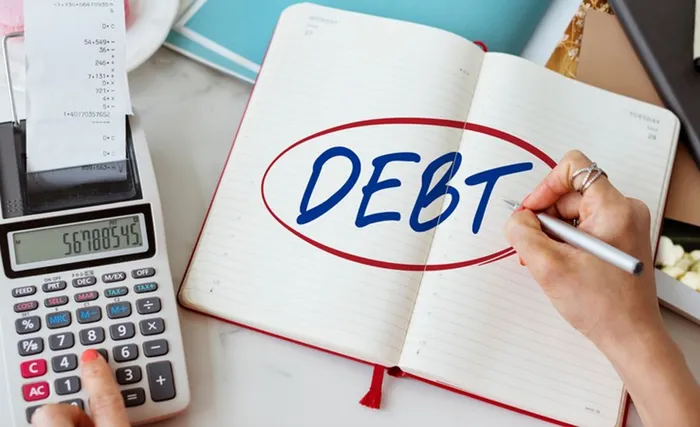
Debt experts have warned that the rising fuel, food and inflation could negatively impact the consumer causing them to use debt as a way out of financial trouble.
Image: File
Debt experts have raised concerns that escalating fuel prices, food costs and inflation are placing severe financial strain on South African consumers, forcing many to rely increasingly on credit to make ends meet.
Neil Roets, CEO of Debt Rescue, on Wednesday said the pressure facing households has become widespread and more intense, affecting multiple areas of daily spending at once.
“The pressure is no longer isolated to one or two expense categories. It is widespread, persistent, and intensifying," Roets said.
"Fuel price increases, higher electricity tariffs, and ongoing food inflation are all hitting households at the same time, creating a perfect storm for financial strain.”
Roets added that the fuel and electricity price hikes that came into effect on 1 April 2026 have already proven to be devastating on consumer pockets.
“These increases do not exist in isolation, but filter through every part of the economy. Higher fuel costs drive up transport and logistics expenses, which in turn push up the price of food and essential goods.”
Roets said that at the same time, increased electricity costs raise the baseline expense of running a household.
“These are not optional costs that consumers can simply cut back on, which makes the impact even more severe. We are already seeing the impact of this play out in real time,” he said.
“The reality is that the current financial pressure is not driven by reckless spending, but by a sustained increase in the cost of living that is beyond consumers’ control.”
Roets said that wage growth has remained largely stagnant, and where increases have been granted, they are often insufficient to offset the rising cost of essentials.
“This leaves many consumers with no choice but to rely on credit to bridge the gap between income and expenses, which is precisely where debt counselling plays a critical role in providing structured relief for those who have become over-indebted due to these external pressures, and prevent a debt spiral.”
Roets added that over time, this reliance on credit becomes unsustainable.
“Consumers find themselves using one form of credit to service another, which is a clear sign of growing financial distress and a pathway to over-indebtedness if not addressed early.”
Roets said that this environment is likely to continue driving an increase in the number of consumers turning to debt counselling, and importantly, this should not be viewed negatively, but rather as a responsible step towards regaining financial stability in a climate where rising costs beyond consumers’ control continue to outpace income growth.
Benay Sager, executive head of DebtBusters said financial pressure on consumers has been building for years, but recent increases in fuel and electricity costs are likely to worsen the situation.
“Unfortunately, with the increases in fuel prices and electricity and so on, which kicked in during April, we do expect that consumers will inevitably continue to use more credit to deal with these.”
Sager noted that while there has been a month-on-month increase in consumers seeking debt counselling, some had previously turned to alternative measures, such as accessing retirement savings through the Two-Pot retirement system.
“Compared to the same period (April) last year, we’ve also certainly seen a significant increase in terms of consumers looking out for debt counselling as a potential remedy.”
Despite the rising reliance on credit, Sager emphasised that borrowing can still play a positive role if used responsibly.
“My advice would be to borrow when you’re going to use the money for something that will generate a productive use for you – whether it’s borrowing to put a vehicle on the road because you need to drive to work to earn money, or perhaps borrowing to pay for your kids’ school fees, or to add an extension to your house. Those are great ways of using credit.”
BUSINESS REPORT