

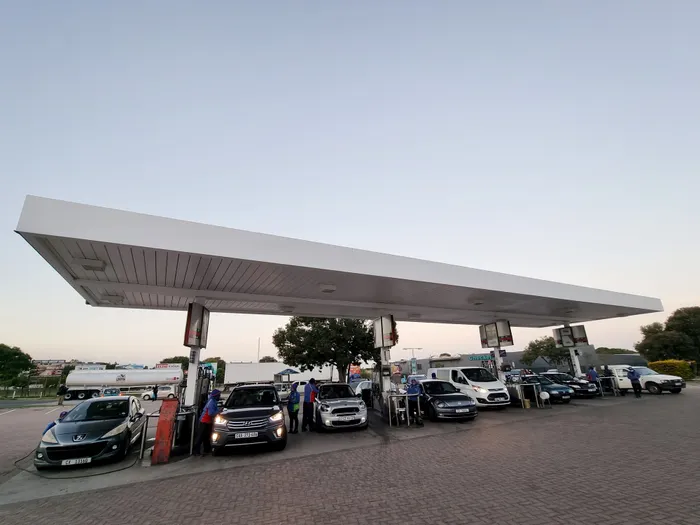
A recent survey reveals more than half of South Africans face severe financial strain due to rising diesel and fuel costs, signaling a critical tipping point in the cost-of-living crisis. Read on to discover the alarming statistics and emotional toll behind the numbers as households struggle to cope.
Image: David Ritchie / Independent Media
The latest Debt Rescue consumer survey has revealed that South African consumers are on the brink of a financial crisis.
The survey was conducted amidst the April 2026 fuel and electricity price hikes, which revealed the impact of the latest price surges and how it has added financial pressure to consumers in the country.
9 out of 10 respondents polled in the survey reported that they are under serious financial strain.
People are cutting back on essential goods and services to make ends meet, with 52% of those polled saying they are facing severe financial pressure and don’t know how they will cope, while 32% will now struggle to afford the basics.
According to Neil Roets, CEO of Debt Rescue, South Africans have valiantly attempted to weather the storm of escalating costs over the past five years. However, “their wells have all but run dry,” he said.
This sentiment was echoed by Dawie Roodt, Chief Economist at the Efficient Group, who warns that inflation is poised for a significant spike as fuel prices continue to climb, with diesel possibly rising by approximately R10 per litre and petrol by around R6 as early as May.
“This signals a critical tipping point in the country’s cost-of-living crisis that has driven millions of people to their knees. It is deeply concerning that authorities are not doing more to offset this crisis,” Roets said.
The latest Cost of Living report by the Competition Commission showed that electricity costs are running away from headline inflation, with South African households bearing the pain.
The Report confirmed that cost-of-living pressures remain structurally embedded, with essential goods and services continuing to increase at rates above overall consumer price index, even as headline inflation has moderated.
According to the group, electricity inflation in the country surged by approximately 85% over a five-year period to January 2026.
Roodt said, “South Africa could be heading for a sharp rise in inflation as fuel prices climb, with diesel potentially increasing by around R10 per litre and petrol by about R6 in May."
Roodt expects inflation to climb from roughly 3.3% in March 2026 to a shocking 4.5% or possibly even 5% in April 2026.
Roodt said that he believes there is a strong likelihood of it remaining high for an extended period before returning to target levels.
According to the Central Energy Fund (CEF) data for 27 to 31 March 2026, another staggering hike is building for May.
The latest data shows early under-recoveries of R7.88 per litre for petrol 95 and R17.57 for diesel (0.005% sulphur).
“Another sharp increase in the fuel price will push inflation up even more, and this is likely to result in a significant slowdown in economic growth in South Africa, in turn putting severe strain on hard-working consumers due to the resultant job losses, reduced disposable income, and higher debt-servicing costs,” Roets said.
“This means that households will likely cut down on non-essential spending, creating a vicious cycle of decreased demand, which will weaken the economy further and exacerbate already high unemployment. We are heading for a meltdown,” Roets added.
Another disturbing insight from the Debt Rescue survey is the grave impact the latest fuel and electricity price increases will have on the cost of food and household essentials.
“Steep electricity tariff hikes approved by the National Energy Regulator of South Africa (Nersa), including an 8.76% hike for Eskom customers and even higher municipal increases, effective April 2026 - are directly feeding into higher food manufacturing and retail costs,” Roets said.
The Debt Rescue Survey results concur, with 60% of respondents stating they expect a significant increase in grocery costs in the coming weeks and months, to the point that they may struggle to afford basics; while 75% believe fuel increases are significantly driving up the cost of goods and services.
Almost half (46%) of participants say they believe the increase will encompass all their expenses.
Andy du Plessis, Managing Director at FoodForward SA said, "We live in a country where, according to our recent household food insecurity report, around 70% of the nation is food insecure. Our report shows that in households across South Africa, hunger is not episodic; it is chronic."
Roets said that data from the company’s latest survey shows a deeply concerning societal shift, with consumers no longer compelled to curb discretionary spending, but rather being forced to sacrifice basic needs, like food, electricity and water, to survive.
“A whopping 87% of people polled said they will definitely be cutting back on essential food items and other basic necessities in the face of the expected cost increases. This highlights the severity of financial distress people now face,” Roets said.
The survey also showed that over half (53%) of survey respondents say that they constantly worry about affording the basics to see themselves and their families through the month, while 63% feel despondent about their financial future.
“It comes through loud and clear in our survey results that the crisis is not only financial – it is deeply emotional and psychological, and the consequences of this mental anguish are far-reaching and destructive to the family unit,” Roets added.
“My advice to those who cannot break free from their financial constraints is to seek help from a registered debt counsellor who can assist them to manage their financial predicament. This has been a very successful solution for thousands of consumers who are plagued by over-indebtedness,” Roets said.
Follow Business Report on Facebook, X and on LinkedIn for the latest Business and tech news.