

The investigation was initiated in October 2024 after an application by Defy Appliances, the only producer of the affected washing machines within SACU.
Image: Supplied
South Africa has moved to shield its domestic appliance manufacturing sector after authorities found evidence of unfair trade practices involving imported washing machines, prompting the imposition of anti-dumping duties on products from China and Thailand.
The final dumping duties range between 7.67% and 47.23%, depending on the exporter and country of export, and will stay in place for the next 5 years.
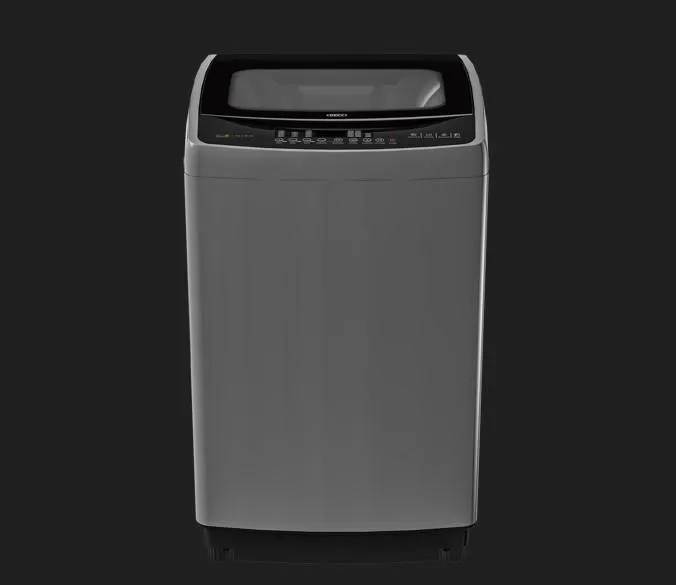
The decision follows an investigation by the International Trade Administration Commission of South Africa (ITAC), which concluded that fully automatic top load washing machines with a dry linen capacity exceeding 10kg but less than 17kg were being imported into the Southern African Customs Union (SACU) at dumped prices.
These practices were found to be causing material injury to the local industry.
The investigation was initiated in October 2024 after an application by Defy Appliances, the only producer of the affected washing machines within SACU. The company argued that a surge of low-priced imports was undercutting domestic production and eroding market share.
Following a detailed review of submissions and comments from interested parties, ITAC confirmed that dumping was taking place and that it had harmed the regional industry.
The Commission found that imports from both the People’s Republic of China and the Kingdom of Thailand were entering the market at prices below their normal value, placing significant pressure on local manufacturers.
“As a result of the investigation, the Commission made a final determination that there is sufficient evidence of dumping and material injury to the SACU industry,” ITAC said in its report. “The imposition of anti-dumping duties is necessary to restore fair competition in the domestic market.”
Acting on ITAC’s recommendation, the South African Revenue Service implemented definitive anti-dumping duties on the affected imports on 23 April 2026. The duties apply to products classified under tariff subheading 8450.20.20 and are aimed at offsetting the unfair pricing advantage enjoyed by foreign producers.
Fully automatic top load washing machines are a widely used household appliance, forming part of a competitive global market where pricing plays a critical role in consumer purchasing decisions.
However, ITAC emphasised that while imports are not inherently problematic, unfair trade practices such as dumping distort the market and undermine domestic industries.
The Commission’s findings highlighted that the influx of low-priced imports had led to declining sales volumes, reduced profitability, and job risks within the local manufacturing sector.
Defy, as the sole SACU producer, was particularly exposed to these pressures, raising concerns about the long-term sustainability of local production capacity.
Industry analysts note that the move aligns with broader efforts by South African authorities to support industrialisation and protect strategic sectors from unfair global competition. By imposing anti-dumping duties, government aims to create a more level playing field for local manufacturers while maintaining a rules-based trade environment.
ITAC stressed that the duties are not intended to block imports but to ensure that they are priced fairly.
“The purpose of anti-dumping measures is to remedy the injurious effects of unfair trade practices and to enable domestic producers to compete on equitable terms,” the Commission said.
The decision also sends a signal to international exporters that South Africa is prepared to act decisively when evidence of dumping emerges. It underscores the role of trade remedies in balancing open markets with the need to safeguard local industries.
For consumers, the impact of the duties remains uncertain. While prices of certain imported washing machines may increase, ITAC argued that protecting domestic production capacity ultimately supports employment and economic stability.
BUSINESS REPORT