

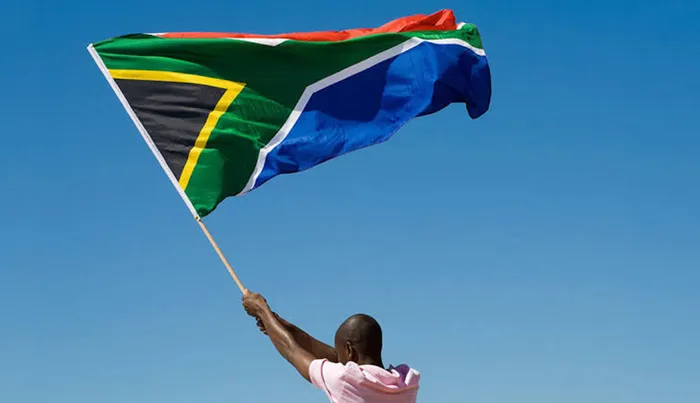
Cosatu reflects on 32 years of democracy in South Africa, celebrating the achievements and acknowledging the ongoing struggles faced by workers and communities alike
Image: File
We have much to celebrate and much to strive for as the nation celebrates 32 years of democracy and Workers’ Month.
It’s natural to take for granted what we have achieved and forget the heroic sacrifices of millions.
South Africa’s democratic breakthrough in 1994 was born through the struggles of thousands who went through prison, detention, torture, execution and exile.
Our democracy was won through mass uprisings, strikes, military resistance and international solidarity campaigns led by the African National Congress, the Congress of South African Trade Unions (Cosatu) and other democratic formations, and ordinary acts of defiance by workers in Durban or beachgoers at the Strand.
Some ask what have we achieved? We have won historic victories, we have stumbled, and we have much to do. We should be proud of the strides we have made under the ANC led governments since 1994.
Later this year we will hold our 7th democratic local government elections. Today few doubt the Independent Electoral Commission’s capacity to deliver free and fair elections.
We are governed by one of the world’s most progressive Constitutions that compels government to address the legacies of the past and the inequalities of today.
Whilst some who fall foul of the law cry about judicial encroachment, we celebrate a judiciary not afraid to hold the most powerful accountable.
Workers have travelled far from the dark days of apartheid when the likes of Oscar Mpetha were imprisoned for standing up for workers’ rights.
We are humbled by the faith society has shown in the pioneers of the trade union movement, including elevating two renowned former General Secretaries of the National Union of Mineworkers, Kgalema Motlanthe and Cyril Ramaphosa to the highest office in the land.
We have travelled far from the dark days when workers were treated little better than slaves and put in place progressive labour laws that guarantee workers the right to unionise, collective bargaining and when aggrieved, to strike.
Today workers have the right to equal pay for equal work, a national minimum wage that has raised the wages of 6 million workers, to work in a safe environment, to paid time off and leave, to maternity and parental leave, to unemployment and workplace injuries insurance.
We underestimated the scars of our colonial and apartheid legacies, many of which will take much more effort to overcome. We must equally own up to our own collective failures, some by accident, some by malice.
We applaud the journey we have travelled from when the state spent a fraction of what it spent on Whites with that spent on African, Coloured and Indian citizens.
Today 60% of the budget is invested in uplifting working-class communities. Free schooling with meals is provided to over 12 million learners, millions have access to tertiary education, pregnant mothers and infants have free healthcare, and Parliament passed the National Health Insurance Act laying the foundation for universal health care.
Whilst much more needs to be done to reduce our painful levels of unemployment, the state provides social grants to 27 million of our poorest citizens, the first step towards comprehensive social security. Government has provided housing, water, sanitation and electricity to millions.
A test of leadership and progress is how we perform under crisis. South Africa has faced many challenges that others made of less stern material would not have passed.
We endured a decade of state capture and corruption. Today the leaders of this shameful chapter of treason have been purged into political obscurity.
The South African Revenue Service, National Prosecuting Authority, Eskom, Transnet, Metro Rail and many other institutions are being rebuilt.
SARS is exceeding tax collection targets which will enable the state to fund the public services society and the economy need to thrive.
It is no small feat that South Africa is now a nation where a President can be convicted or a Speaker of the National Assembly resigns when charged. This is accountability.
The world was confronted with COVID-19, and none had a blueprint on how to manage it. President Cyril Ramaphosa rallied the nation around a common plan and millions of lives and livelihoods were saved. This success was made possible through a social compact between government, business, labour and society, where all contributed.
We rolled out one of the most successful health, safety and vaccination campaigns and dispensed R65 billion from the Unemployment Insurance Fund to cushion 5.7 million workers and the SRD Grant helping 8 million unemployed persons.
From 2024, the Two Pot Pension Reforms driven by COSATU came into effect providing over R70 billion relief to more than 4 million highly indebted workers whilst boosting workers’ retirement savings.
Whilst we celebrate our many achievements, much remains to be done. We dare not be complacent with 41% unemployment. We dare not normalise shameful levels of crime and gender-based violence. We dare not tolerate those that steal from the public or workers.
Workers and the working class deserve better. Workers’ hard-won rights to a minimum wage, to work in a safe environment, to protection by our labour laws, to employers honouring their pension and third-party payment obligations must be respected.
Women workers’ right to be protected from sexual harassment and violence at the workplace, on public transport and in their homes must be enforced.
Government and employers must do more to ensure that all South Africans, in particular the youth, are able to find decent jobs and create a better life for their children. Stimulating the economy and tackling obstacles to growth must be the priority of the entire state in coordination with Organised Business and Labour.
Our challenges require the collective effort of government, business, labour and communities. When we work together, we emerge victorious.
Do we have much to celebrate 32 years into democracy? Yes, we do. Do we have much more to achieve, without a doubt. Whilst we have accomplished much since 1994, we dare not be complacent with the pained realities of millions of workers and working-class communities.
Zingiswa Losi is the president of Cosatu.
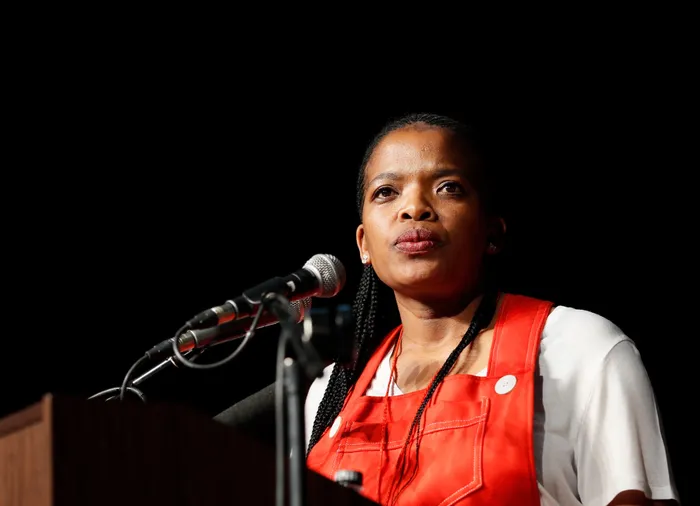
Zingiswa Losi is the president of Cosatu.
Image: Independent Newspapers
Follow Business Report on Facebook, X and on LinkedIn for the latest Business and tech news.