

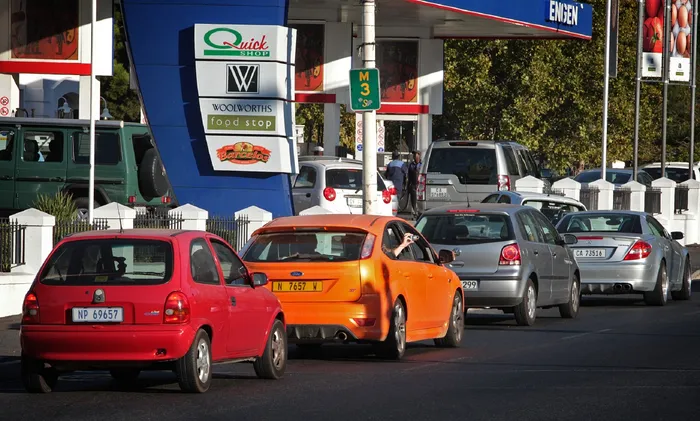
With fuel prices set to rise significantly in South Africa this April, motorists face increased financial strain. Discover practical tips from experts to help manage fuel consumption and save money during these challenging times.
Image: Jason Boud
South African motorists are bracing for a significant increase in fuel prices this April, with 95-octane petrol expected to rise by approximately R4.74 per litre and diesel by more than R7.70 per litre.
The sharp increases are being driven by a combination of global oil price pressures linked to conflict in the Middle East, a weaker rand, and additional fuel levies coming into effect at the start of the month.
With petrol prices set to push beyond R25 per litre in some areas, many households will feel the strain.
However, small changes in driving habits and vehicle maintenance can make a meaningful difference over time.
“Fuel price hikes of this scale place real pressure on consumers, but there are practical steps motorists can take to reduce their fuel consumption and manage costs more effectively,” said Dean Horn, Managing Director of Super Tyres.
Horn shared the following tips to help consumers keep costs down:
“Tyres play a bigger role in fuel consumption than many people realise. Even slightly underinflated tyres can lead to unnecessary fuel usage over time,” Horn said.
3. Ensure proper wheel alignment - Misaligned wheels create additional drag, which increasesfuelconsumption. Regular alignment checks not only improve efficiency but also enhance overall vehicle handling and safety.
4. Drive smoothly and avoid harsh acceleration - Aggressive driving habits such as rapid acceleration and hard braking can quickly increase fuel usage. Maintaining a steady speed and anticipating traffic conditions helps reduce unnecessary fuel burn.
5. Reduce unnecessary weight and drag - Carrying heavy loads or driving with roof racks and open windows increases wind resistance and fuel consumption. Removing unused items from your vehicle can improve efficiency, especially on longer trips.
6. Plan and combine trips - Short trips with a cold engine use more fuel. Combining errands into one journey allows your engine to operate more efficiently and reduces overall fuel consumption.
Horn said, “Motorists often underestimate how much these small adjustments can add up. Improving fuel efficiency by even 15% to 20% can translate into significant savings over the course of a month.”
With fuel costs expected to remain volatile, taking a proactive approach to vehicle care and driving habits can help consumers better manage the impact on their monthly budgets.
For added peace of mind, Horn encouraged motorists to have their tyres and shocks checked by a trusted professional to ensure both safety and efficiency on the road.
Follow Business Report on Facebook, X and on LinkedIn for the latest Business and tech news.