

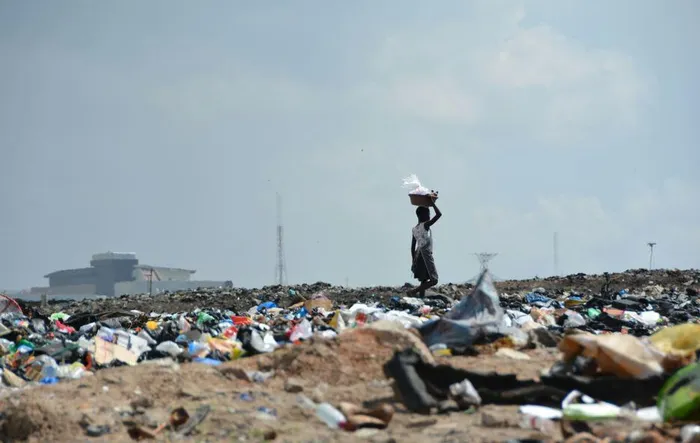
In a country drowning in waste and outdated disposal methods, South Africa has the chance to revolutionise its approach to waste management. Are businesses ready to innovate and embrace waste minimisation as more than just an operational formality? Discover the pathways leading to smarter solutions and sustainable practices in waste management.
Image: Supplied.
South Africa stands at a critical juncture in its waste management journey.
With an alarming estimate of 122 million tonnes of waste generated annually, a staggering 90% of that waste ends up in landfills.
This stark reality reveals a fundamental flaw in how businesses perceive waste, treating it primarily as a disposal issue rather than an opportunity for engineered operational efficiency.
Comparative global statistics contrast sharply with South Africa’s performance. While only 10% of the country’s waste is diverted primarily through recycling, Australia boasts a recovery rate of 66%, sending just 34% to landfill.
Spain mirrors this efficiency with 71% recovery and only 29% sent to landfill despite generating a similar quantity of waste.
These nations have established far more comprehensive waste management incentives and programmes that empower industries to minimise waste effectively.
The legal framework in South Africa, aligned with international standards on Extended Producer Responsibility (EPR), indicates a strong foundation.
However, the execution is lacking, hindered by infrastructure gaps and a weak regulatory environment.
Low landfill disposal tariffs encourage significant volumes of waste to landfills, thus perpetuating a cycle of negligence.
According to Peter Ezra, Managing Director of Rokiwaste, an innovative and engineering-focused waste equipment solutions company, the time for change is now.
He emphasised the inefficiencies and risks of continuing with the status quo, expressing his dismay that “very little substance has shifted over decades.”
Ezra argued for a paradigm shift leading up to 2026, advocating for a more strategic, innovative approach to waste management.
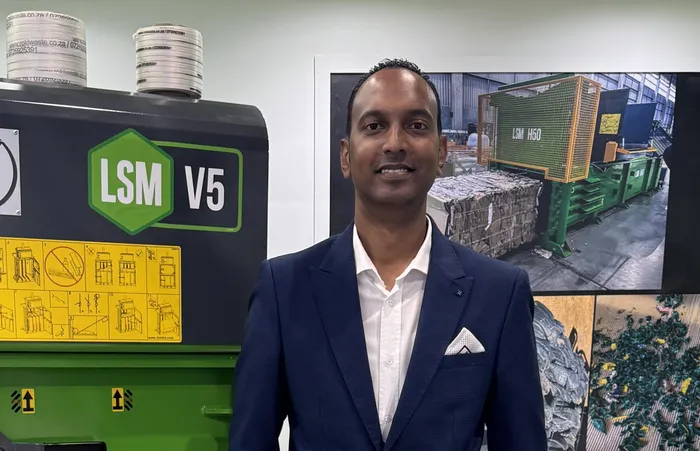
According to Peter Ezra, Managing Director of Rokiwaste
Image: Supplied.
The current operational practices, centred around the outdated method of wheeling bins into confined spaces, hinder the potential for resource recovery and operational efficiency.
Ezra highlighted the urgent need for executive-level engagement to address risks and resilience in waste management, a challenge many businesses have yet to embrace.
Rokiwaste’s customised solutions, like the innovative ‘green monster’, a 50-tonne automatic baler, demonstrate the potential for optimising onsite waste management.
By enhancing recycling efforts, recovering untapped resources, and reducing transport costs, companies can achieve both cost savings and EPR compliance.
Accurate data collection further empowers businesses to make informed decisions about waste management.
Ezra underscores that South Africa’s peers in global waste management are excelling because they implement data-driven, tailored solutions.
Meanwhile, South African businesses risk stagnation by relying on conventional methods, thereby overlooking significant opportunities for improvement.
He called attention to the recent surge of investment in local waste management businesses, highlighting foreign companies’ recognition of South Africa’s untapped potential.
“What we have seen over the past years is significant investment from global companies in South African waste management businesses. They have clearly seen the potential for South Africa to finally step up and align more to global standards,” Ezra said, suggesting that this wave of interest could catalyse necessary change.
The imperative for South African industries involves shifting waste management from reactive decision-making to a proactive strategy embedded in operations.
With rising operational and transport costs, growing constraints on space, and escalating efficiency pressures, businesses can no longer afford to ignore these issues.
As Ezra puts it, there is an increasing demand for technical partnerships with proven innovation records to revolutionise waste handling systems.
Addressing the misconception that innovative waste minimisation solutions are prohibitively expensive is crucial.
The long-term cost savings from improved efficiencies can outweigh the initial investment, especially considering the environmental degradation resulting from neglecting waste management.
The stakes are high for future generations, making immediate action essential.
Ultimately, South African businesses face a decisive choice: cling to the outdated notion of waste as an unavoidable cost or seize the opportunity to position waste minimisation as a strategic advantage.
With the pressures from cost increases, compliance demands, and environmental accountability mounting, the motivation for transformative change has never been greater.
Follow Business Report on Facebook, X and on LinkedIn for the latest Business and tech news.