

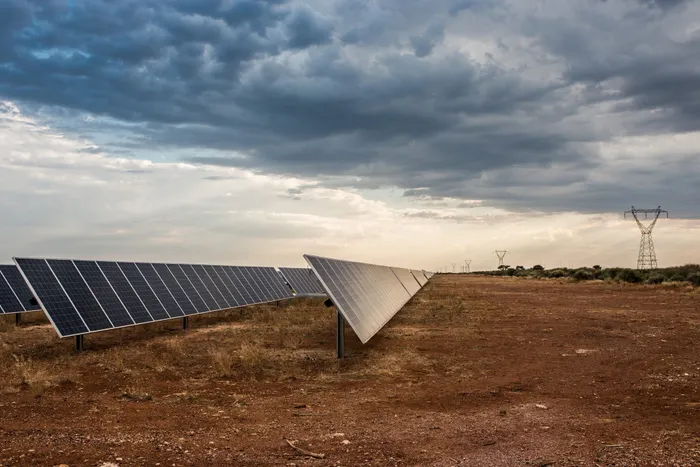
The centrality of a decarbonisation agenda was an honest acknowledgement that the old growth model, rooted in carbon-intensive production and extractive economics, has driven innovation and prosperity.
Image: File.
The recently concluded 6th South Africa Investment conference was hailed as a groundbreaking success, delivering pledges and announcement on projects that are realistic, bankable and credible. President Cryil Ramaphosa, in his opening address clearly outlined decarbonation as central to future investment drive in South Africa.
Despite being hosted a time of uncertainty for the global economy, geopolitical fragmentation, supply chain disruptions from conflicts and wars and trade tensions are radically impacting global capital flows, the conference presented a favourable proposition of South Africa as a resilient, credible and reform-oriented investment destination.
The investment conference deliberately appreciated that we are a critical juncture where industrial policy must be realigned to take full advantage of green growth opportunities, and importantly underlined that it is possible to mobilise domestic resources for a green industrialisation the just transition.
The centrality of a decarbonisation agenda was an honest acknowledgement that the old growth model, rooted in carbon-intensive production and extractive economics, has driven innovation and prosperity. But it has also brought us to the edge of climate crisis, environmental degradation, and rising inequality.
Mainstream decarbonisation in investment and trade promotion
But to succeed, we must rethink and implement incremental change towards bold, systemic transformation.
To sustain the commitment and translate the pledges and build prosperity for all, we must:
We cannot move at the pace and scale required without adequate finance, and therefore some of the pledges needs to catalyse climate finance at scale, especially resilience and adaptation finance given the apparent nature and frequency of climate disasters, improve our regulatory environment to attract investment, and send clear signals to global markets that South Africa is ready to lead.
Of equal importance, measuring the impact of our financial flows against the objectives of the just transition and our existing socio-economic challenges will signal areas of improvements keeping us on the right path to achieve a just transition, as a measure of the investment we needed to address the balance between people, planet and prosperity.
We are at a critical juncture where industrial policy must be realigned to take full advantage of green growth opportunities.
The green growth is not just about reducing emissions, it is about unlocking new industries, jobs and opportunities for our communities especially in the areas or renewable energy, sustainable agriculture, green manufacturing and nature-based solutions
Our commitments as outlined in the South African Renewable Energy Masterplan (SAREM), the Integrated Resource Plan (IRP), and green industrial incentives will be implemented with urgency to secure a low carbon, resource-efficient, climate resilient and socially inclusive economic growth trajectory.
As South Africa we have the real potential to lead in areas such as green hydrogen, electric vehicle and Battery storage and also in the area of critical minerals and green manufacturing which will particularly help us to reindustrialize, but only if we build domestic value chains and support regional integration across Africa
Our growth ambition, commitment and pledges must now translate into the era of implementation and the investment decisions we make needs to be aligned with our climate policy, our decarbonisation agenda and demonstrate our commitment and leadership in the just transition toward an inclusive, and net-zero economy, aligned align with national development and economic resilience objectives.
Whilst we are yet to see brick and mortar and jobs from these commitments, this year’s South Investment Conference delivered a clearer message in the following:
(1) Showcase leadership in just transition pathways and climate-resilient development
(2) Attract climate finance and investment aligned with national priorities and Demonstrate a balance of energy, industry, trade, and competitiveness as well as
(3) Strengthen partnerships that support inclusive growth and sustainable development.
For our Just transition development pathways, the conference was more than just pledges and deal making, but a strategic platform to engage on issues that directly affect our economic resilience, industrial competitiveness, and our ability to transition sustainably.
But to make it worth what was promised, we must transcend beyond vision and the anxieties and begin to deliver a model that rewards innovation in clean energy, builds cities that breathe, transports goods and people with zero emissions, and restores nature while creating millions of green jobs in liveable communities.
Blessing Manale is the Executive Manager: Consensus Building and Communications, Presidential Climate Commission.
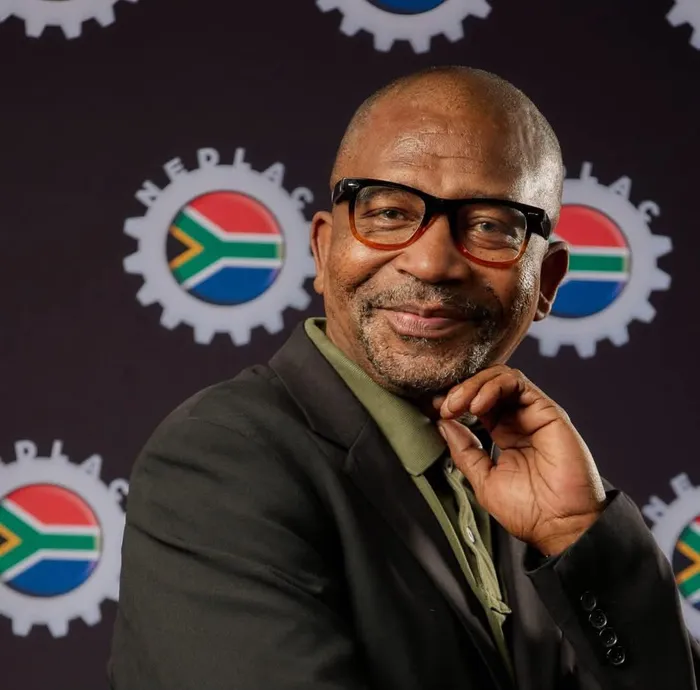
Blessing Manale is the Executive Manager: Consensus Building and Communications, Presidential Climate Commission.
Image: Supplied.
Follow Business Report on Facebook, X and on LinkedIn for the latest Business and tech news.