

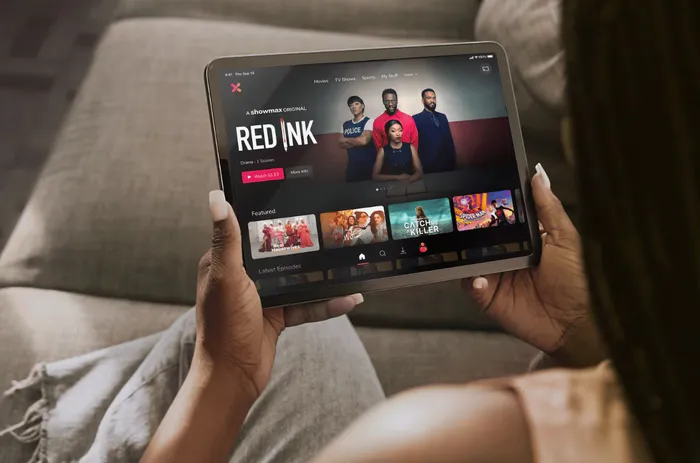
South Africa's favourite streaming platform is set to shutdown in the near future.
Image: IOL
In a move sending shockwaves through South Africa’s entertainment industry, French media giant Canal+ has confirmed that it will discontinue Showmax following its acquisition of MultiChoice, marking the end of one of the continent’s most influential streaming platforms.
The decision, announced Thursday, March 5, comes after years of mounting financial losses that the company says are no longer sustainable.
While the closure will not lead to job losses, the development signals a major shift in Africa’s digital entertainment landscape and leaves millions of viewers wondering what happens next to the platform that helped define a generation of African storytelling.
For many South Africans, the news landed with a mixture of disbelief and nostalgia.
Among the first high-profile reactions came from media personality and business mogul Bonang Matheba, who echoed the collective shock across social media. Taking to X, she wrote simply: “Yoh, no ways!” a brief but telling reaction that quickly began circulating across entertainment timelines.
Launched in 2015 by MultiChoice, Showmax grew into one of Africa’s most ambitious streaming platforms, operating in more than 40 countries and building a catalogue that celebrated African voices from glossy reality television to gritty local dramas.
Over the years, the platform became home to some of South Africa’s most talked-about shows, including the cultural phenomenon "The Wife", adapted from the bestselling novels by Dudu Busani-Dube.
The series didn’t just dominate streaming charts; it ignited national conversation, inspired social media debates, and introduced a new era of binge-worthy local storytelling.
For many viewers, "The Wife" was the gateway that convinced them to sign up for Showmax in the first place.
One user on X summed up the sentiment while sharing a collage from the series: “This is the show that literally made me sign up for a Showmax subscription. It really is the end of an era.”
Content creator and television personality Naledi Mallela posted in disbelief: “Showmax is WHAT?! Where will I binge my housewives? What is HAPPENING??!??????”
Elsewhere online, everyday viewers captured the reality of what the closure means for households across the country. Some joked about branded remote controls now rendered obsolete. For many viewers, it was the show that justified the monthly subscription.
“Some of us depend on Showmax because we don't have DStv,” wrote one user, highlighting how the platform had become an affordable gateway to premium content for many South Africans.
Another viewer wrote simply: “This email ruined my day.”
Behind the emotion lies a larger industry story.
According to Leslie Adams, sales director at Reach Africa, the closure reflects a global shift in the streaming economy. Platforms worldwide are moving away from the “growth at all costs” model that defined the early streaming boom.
“The industry is entering a phase where sustainable economics and scale matter far more,” Adams explained. “Content costs from premium series to sports rights continue to rise, making it increasingly difficult for platforms to compete without significant scale.”
Research from global media analytics firms has echoed this shift, noting that the streaming industry is entering a period of consolidation as companies prioritise profitability over rapid expansion.
For viewers, that likely means fewer standalone platforms but stronger, more consolidated streaming ecosystems.
The September acquisition of MultiChoice by Canal+, valued at roughly $3 billion (around R48 billion), created a media group spanning 70 countries with more than 40 million subscribers and a workforce of 17,000, the largest deal in Canal+’s history.
MultiChoice says it plans to launch a new in-house large-scale streaming platform to serve African and international audiences in the future.
For nearly a decade, Showmax wasn’t just a streaming service. It was where viewers discovered stories that looked like them, sounded like home, and reflected the rhythms of everyday South African life.
And as social media timelines fill with memories, favourite shows and late-night binge sessions, one truth becomes clear: an era of African streaming television has quietly come to an end, and Mzansi felt every second of it.