

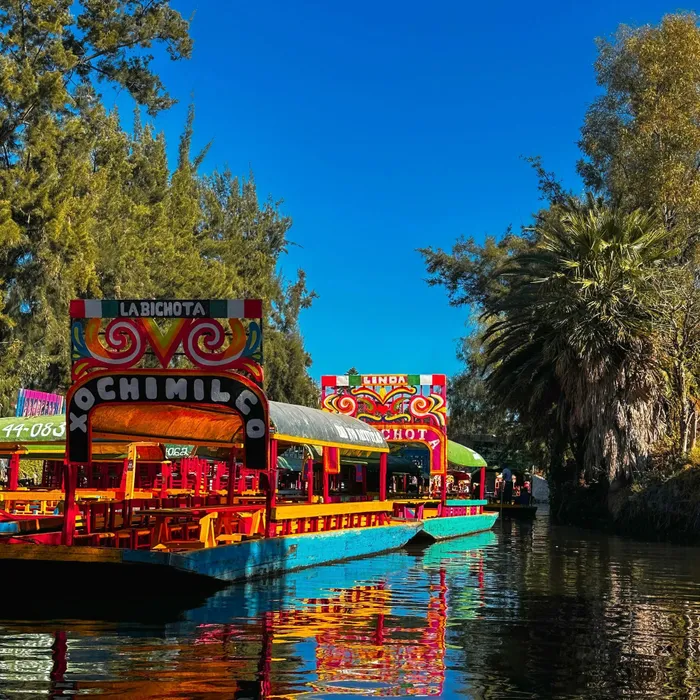
Board a trajinera, a colourful flat-bottomed boat, and tour the canals while enjoying mariachis and local snacks.
Image: Gabriel Suazo / Unsplash
South Africans are not just attending the 2026 FIFA World Cup opening match; they are the main event.
On June 11, Mexico faces Bafana Bafana at Estadio Azteca in the tournament's very first game, and if you are making the trip, here is how to spend 48 hours in one of the world's most exciting cities.
The historic centre
Start where the city started. The Centro Histórico will immediately tell you exactly where you are in the world.
The Spanish built the Metropolitan Cathedral over the ruins of the ancient Aztec capital of Tenochtitlan, and it is one of the oldest and largest cathedrals in the Americas. Walk through it, then cross the square.
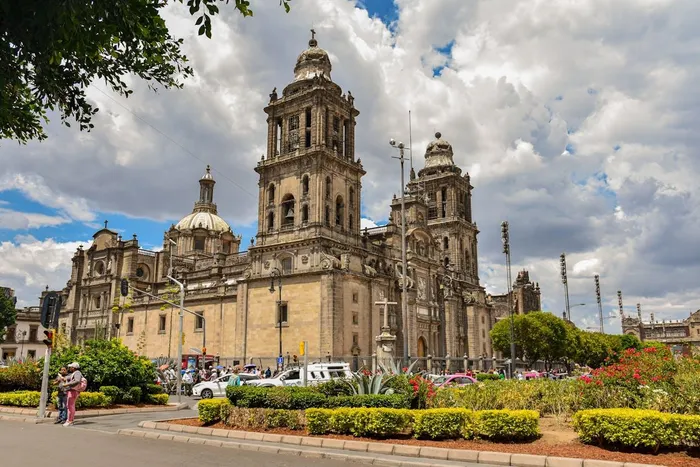
The Centro Histórico will immediately tell you exactly where you are in the world.
Image: Oscar Dominguez / Pexels
The ruins of Templo Mayor and its museum are a must. The Palacio de Bellas Artes is another landmark worth seeing. It serves as both a museum and a grand performance hall, with murals by some of Mexico's greatest artists inside.
Templo Mayor is a proper archaeological site sitting right in the middle of the modern city. It is one of those places that stops you in your tracks.
The official FIFA Fan Festival is scheduled at Zócalo Square, with 16 additional fan zones planned across the city's boroughs
If you are there around match time, the Zócalo will be electric. To reach it on public transport, take Metro Line 2 and exit at Zócalo/Tenochtitlan, directly beneath the main square.
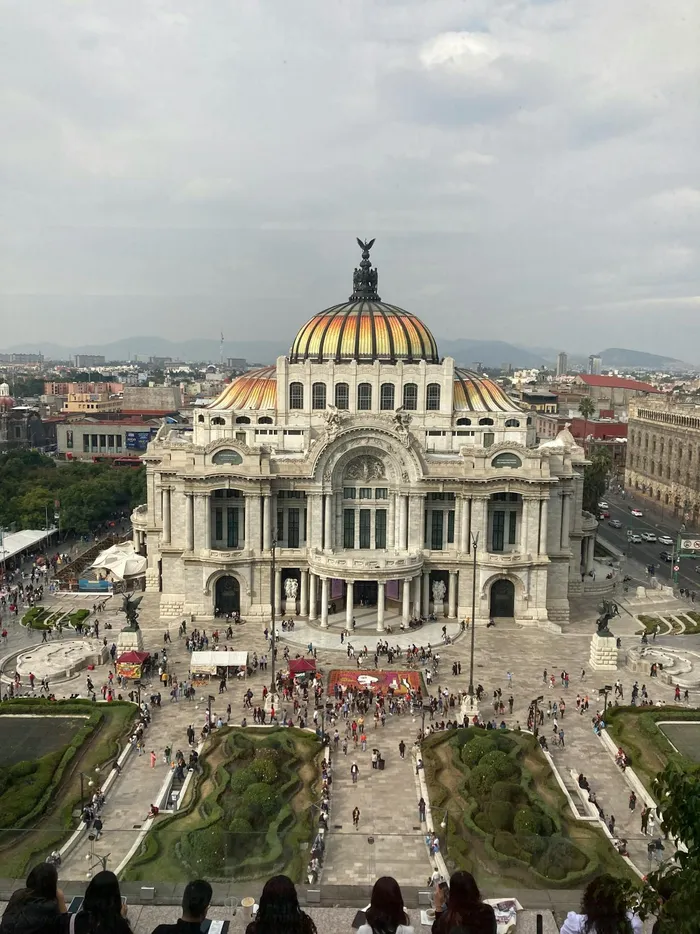
The Palacio de Bellas Artes is a landmark worth seeing.
Image: Edu Perez / Pexels
Street tacos for lunch
Do not eat at a tourist restaurant for your first meal. Find a taquería. El Turix in Polanco is widely regarded among food critics and is a simple, authentic local spot.
The speciality is cochinita pibil, tender marinated meat you can order in a taco or on a crispy panucho.
Alternatively, Taqueria Orinoco has multiple locations across Roma, Condesa, and Polanco and is a reliable, affordable quick bite. Tacos cost almost nothing here. Order several.
National Museum of Anthropology
The National Museum of Anthropology is essential for understanding Mexico's ancient cultures.
It sits inside Chapultepec Park, which is worth a wander on its own. The museum is genuinely one of the best in the world, and you could easily spend four hours inside. Pace yourself.
Walking between neighbourhoods feels more tiring than usual at this altitude, even if the streets are flat. Factor that into your day.
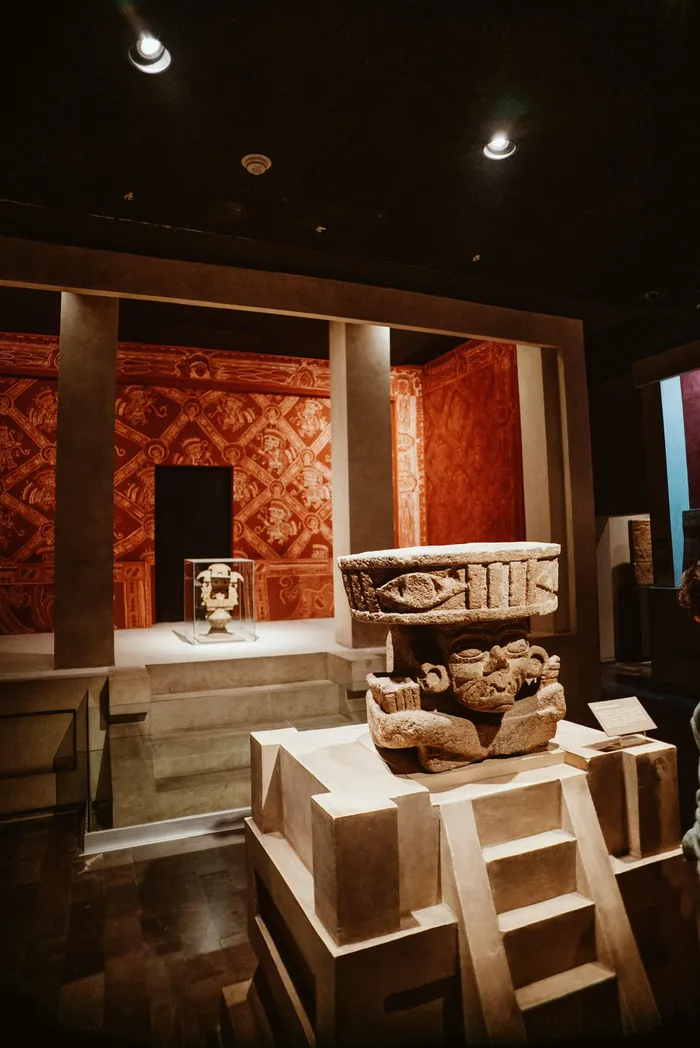
The National Museum of Anthropology is essential for understanding Mexico's ancient cultures.
Image: Evan Wise / Unsplash
Roma Norte and Condesa
These two neighbouring areas are where most visitors end up spending their evenings.
The streets are lined with mezcal bars, rooftop spots, and restaurants at every price point. Just wander and pick wherever it looks busy and local.
Frida Kahlo Museum
Visit the Frida Kahlo Museum for insight into her art and her life.
It is in Coyoacán, one of the older, quieter parts of the city, with cobblestone streets and a very different pace from Roma or Polanco. Go early before the queues build up.
Xochimilco
Board a trajinera, a colourful flat-bottomed boat, and tour the canals while enjoying mariachis and local snacks.
It is touristy, yes, but it is genuinely fun. Hire a boat with a group to keep costs down.
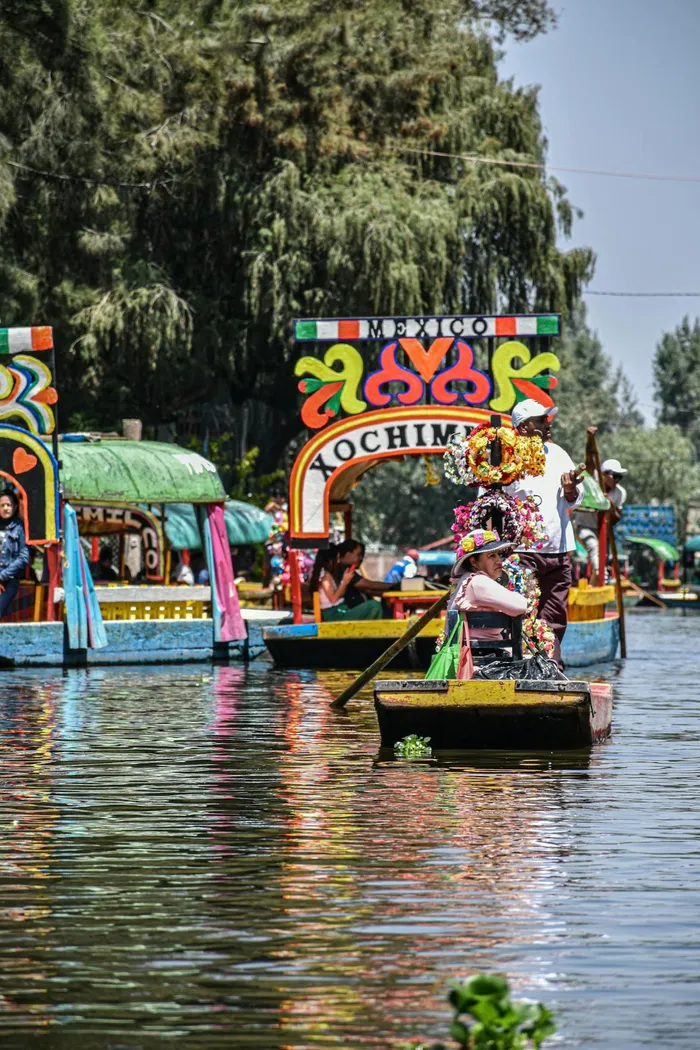
Board a trajinera, a colourful flat-bottomed boat, and tour the canals.
Image: Enzo Renz / Pexels
Getting to the stadium
To avoid traffic, take Metro Line 1 to Taxqueña station, then transfer to the Tren Ligero, which runs directly to the stadium.
Skip the car rental entirely. Driving in Mexico City is a nightmare, and parking near the stadium is limited.
Arrive early; the surrounding streets will be packed with fans and vendors.
Estadio Azteca has staged some of football's most defining moments, from Pelé lifting the trophy in 1970 to Maradona's Hand of God goal in 1986.
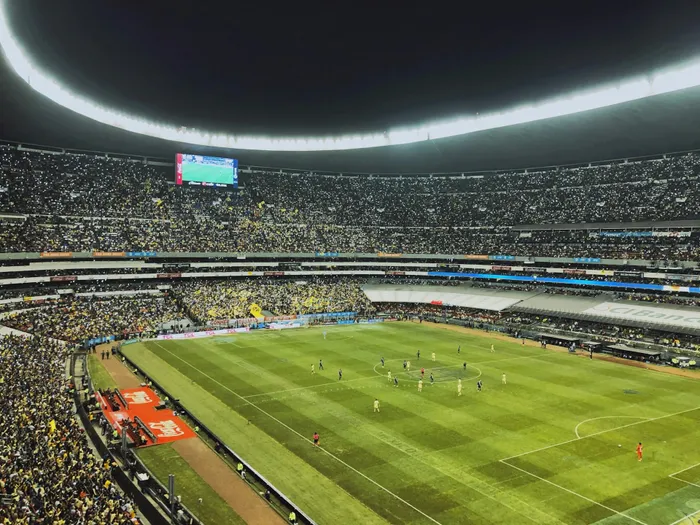
Estadio Azteca in Mexico City.
Image: Ruben Ramirez / Unsplash
After the match
Win or lose, the city will still be going. Head back to your neighbourhood, find a bar that is still buzzing, order a mezcal, and let the night sort itself out.
Mexico City does not shut down early, and you will not struggle to find somewhere to be.
IOL Travel