

More African countries are likely to issue foreign-currency debt in currencies other than the dollar and euro, BMI said.
Image: Akio Kon/Bloomberg
African governments will turn to unconventional ways to meet financing costs expected to reach almost $83 billion next year, the highest level since 2021, according to BMI.
Sub-Saharan African nations typically plug their shortfalls through a mix of concessional financing, domestic securities, commercial eurobond issuances and, to a lesser extent, “unorthodox methods” including central bank financing, BMI, a unit of Fitch Solutions, wrote in a report.
“While these options will still dominate, we expect novel instruments to become more commonplace in 2026,” the firm said. They include Sharia-compliant sukuk bonds to tap into domestic markets, sustainability-linked and ESG bonds for specific projects, and infrastructure-linked bonds and diaspora bonds, BMI wrote.
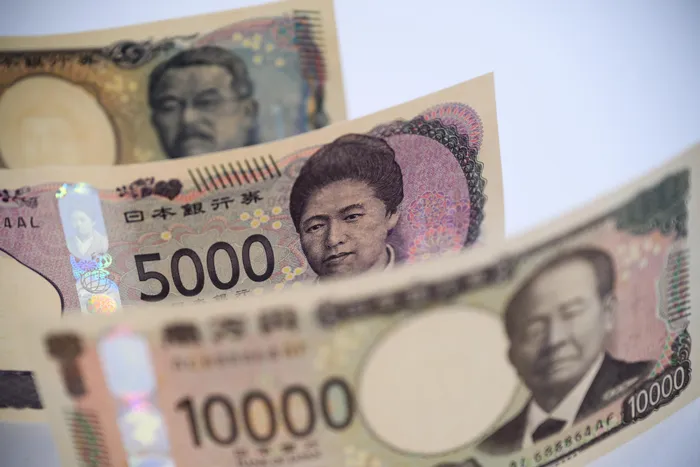
To hedge against foreign-exchange risk, more African countries are likely to issue foreign-currency debt in currencies other than the dollar and euro, BMI said. The alternatives can be Chinese yuan and Japanese yen or swapping the currency on existing debt, as Kenya did this year.
The tilt toward unconventional methods will be driven by the limited scope for increased financing from the International Monetary Fund and the saturation of domestic capital markets with government securities, BMI said. The saturation risks crowding out private-sector funding and increases systemic exposure to sovereign risks.
Eurobonds issued in the region also carry high coupons compared to other markets, which has sparked debate of Africa paying a so-called “prejudice premium” on the notes. A higher coupon “effectively locks in higher interest payments over the long term, at a time when debt-service costs are already increasing as a share of revenue,” BMI added.
South Africa this month raised $693 million in its first infrastructure-bond sale, which drew bids from investors for more than twice the amount sought. The continent’s largest economy plans additional auctions in future to support its infrastructure growth plans.
Kenya in October converted Chinese railway loans from dollars to yuan, in a move expected to result in annual savings of as much as $215 million.
BLOOMBERG