


Finance Minister Enoch Godongwana presented the National Budget on Wednesday, February 25.
Image: Phando Jikelo/ Parliament of SA.
While Finance Minister Enoch Godongwana’s 2026 Budget Speech on Wednesday, February 25, was largely hailed as consumer-friendly thanks to the absence of a major VAT hike and some long-awaited income tax relief, the sin taxes and fuel levies are still inching upward.
Here are 6 things that just got more expensive, along with how they will affect your monthly spending.

Fuel levies are increasing on 1 April, time to start budgeting for those extra kilometres.
Image: File.
The government announced a combined increase of 21 cents per litre for both petrol and diesel, effective April 1. This is not an April Fool's joke.
The cost is broken down into a 9c general fuel levy hike, a 7c Road Accident Fund (RAF) increase and a 5c carbon tax adjustment.
The impact on consumers: While 21 cents feels small at the pump, it ripples through the entire economy. Beyond just costing you more to fill your tank, it increases the overhead for delivery trucks and taxis, which often leads to hidden price creeps in public transport fares and courier fees.

Raising a glass just got a bit pricier. With excise duties up, your favourite round will cost a few cents more.
Image: File.
Sin taxes on alcohol have risen by 3.4%, keeping pace with inflation. Specifically, a 340ml can of beer or cider will cost about 8 cents more, a bottle of wine goes up by 15 cents, and a 750ml bottle of spirits will jump by R3.20.
The impact on consumers: If you're just grabbing a quick drink with friends, you probably won't even notice the price difference on your bill. However, if you own a bar or love to host parties, these small hikes add up fast over a year.
Because it costs more to stock the shelves, you’ll likely see bars hiking their prices, meaning your favourite cocktail or Friday night tab at a pub will end up costing you a bit more.

The latest tax hike means your daily habit just got more expensive per pack.
Image: File.
Smokers are also facing a 3.4% inflationary hike. A pack of 20 cigarettes will now carry an additional 77 cents in tax, while pipe tobacco increases by 28 cents per 25g. If you prefer cigars, expect to pay an extra R4.56 per 23g.
The impact on consumers: Smoking is becoming an expensive habit. Because the government keeps raising taxes on tobacco, it’s turning into a luxury that many people can't afford.
This forces smokers who are on a budget to either look for cheaper brands or, as the government intends, give up smoking entirely to save money.

New year, new vape tax. Say goodbye to cheap disposables.
Image: Pexels.
The relatively new tax on electronic nicotine vapes hasn't been spared. The duty has increased by 11 cents per ml, which works out to about R6.58 in tax for a standard 2ml pod.
The impact on consumers: Vaping is no longer flying under the radar. The government is now taxing vapes more like regular cigarettes.
If you use the large disposable vapes, you’ll feel the pinch the most. Depending on how much liquid is inside, the tax alone could now add between R26 and R78 to the price of a single device.
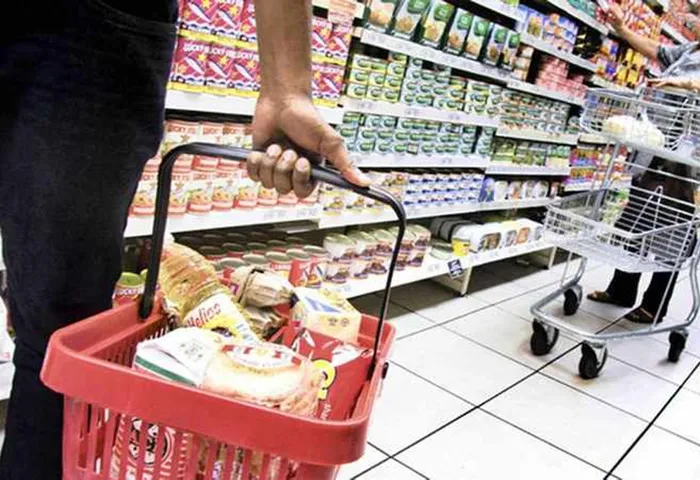
Filling your trolley just got a little tougher. While basic foods stay VAT-free, higher fuel and carbon taxes are quietly pushing up the price of your daily essentials.
Image: File.
While no new VAT was added to food, the increase in the Carbon Tax, which saw its biggest jump since 2019 to R308 per tonne of carbon dioxide, and the above fuel levies act as a "hidden" tax on groceries.
The impact on consumers: Large-scale farmers and logistics companies that rely on heavy machinery and long-haul trucking will face higher operational costs.
Consumers will likely see this reflected in the price of perishables like milk, meat and bread, as retailers pass on the increased cost of getting goods from the farm to the shelf.

In a move likely to affect thousands of online shoppers, the South African government is applying a full 15% VAT plus a higher flat-rate customs duty on low-value imported goods.
Image: Pexels.
The government is closing the tax loophole that previously made small international orders (under R500) so cheap.
The South African Revenue Service (SARS) is applying a full 15% VAT plus a higher flat-rate customs duty on these small parcels.
The impact on consumers: If you’re a fan of making "haul" videos or buying cheap electronics and clothes from overseas, expect to pay significantly more at checkout or when the courier arrives at your door.
On top of this, ad valorem (according to value) taxes on items like high-end smartphones (above R2,500) and certain cosmetics remain high.