

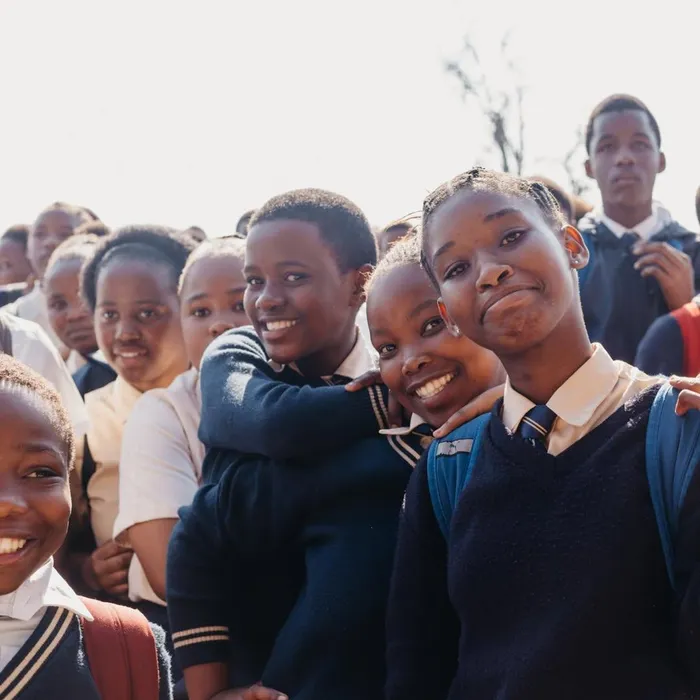
World Children's Day is celebrated on November 20, however experts say protecting children should be a continuous effort from everyone in society.
Image: Instagram.
In observance of International Children’s Day today, November 20, Dr Shaheda Omar, a child-protection expert and director of the Teddy Bear Clinic, stresses that the care and protection of children must be a continuous societal effort, not merely an annual event.
She reminds us that children have the right to education, health care, protection from harm and the chance to be heard in decisions that affect their lives.
"Children’s challenges in South Africa are rooted in systemic issues: poverty, violence, inequality, exploitation, inadequate services and the lingering impact of historical injustices. Addressing these requires continuous, coordinated action across families, communities, government and civil society," explains Omar.
Adding his perspective, Kobus Maree, a professor at the University of Pretoria, highlights that poverty is the number one challenge facing children today.
"Children growing up in poverty-stricken environments, and no one seems to care. That contributes to inequality, unequal and inadequate access to opportunities, healthcare and safety."
Maree notes that because of these issues, many children struggle to meet basic developmental milestones.
He adds: "There is also a lack of access to quality education at all levels, overcrowded classrooms, and schooling not taking place the way it should be. The most vulnerable, excluded, marginalised learners suffer the most.
"In addition, mental health challenges are often linked to poverty ... A large number of children also experience violence in its most severe forms. There are so many things that's disempowering them. They simply can not catch up or stay abreast of changes in the world of learning or work."
"We need to ensure learners are safe and nurtured. We need to not talk and write about improving their well-being, but actually introduce and implement child centered policies is of utmost importance," says Maree.
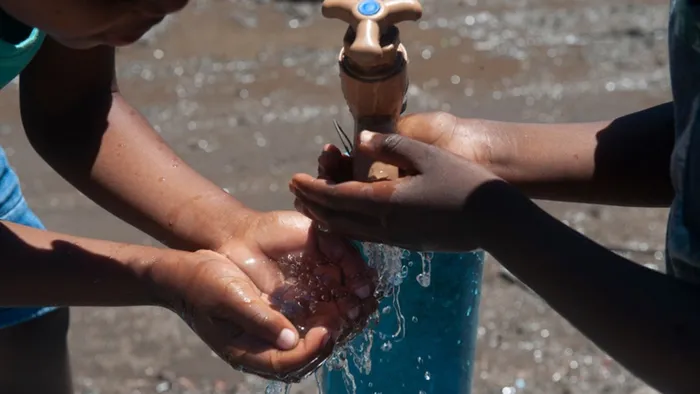
Poverty is one of the main challenges face by children, says UP Professor, Kobus Maree.
Image: File.
To protect and promote children’s well-being, Omar has proposed several key steps:
Omar insists: "This is about long-term commitment, not a single day. Improving children’s lives is not an act of celebration; it is an obligation."
She urges that while International Children’s Day serves as a vital reminder, real change requires consistent action.
"Children are not the future, they are our present. What society chooses to do today determines the South Africa they inherit tomorrow," Omar ended.