

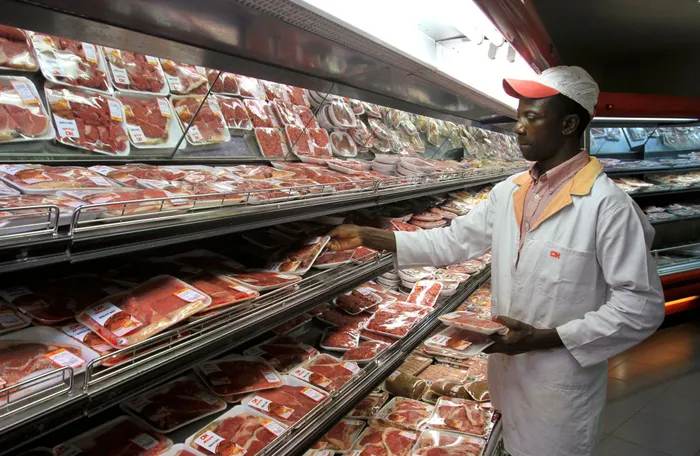
As the Braai Index continues to climb, many South African households are looking for ways to stretch their budgets without losing out on protein.
Image: File.
South Africa’s agricultural sector is facing one of its most daunting challenges in decades.
With President Cyril Ramaphosa recently declaring Foot and Mouth Disease (FMD) a national disaster, the conversation has moved from the farm to the dinner table.
As industry giants like Clover SA and other industry bodies speak out against inconsistent control measures, many South African consumers are left wondering what this means for their grocery bills and daily diets.
Foot and mouth disease is a highly contagious viral infection that affects cloven-hoofed animals, including cattle, pigs, sheep, goats and even some wildlife like buffalo.
The virus causes painful blisters (vesicles) on the tongue, lips and hooves, often leading to severe lameness and a dramatic drop in productivity.
In the recent outbreak, South Africa has seen the virus spread to eight of its nine provinces. While it doesn't typically kill adult animals, it is devastating for production: dairy cows produce significantly less milk and beef cattle lose weight rapidly.
For the industry, the disease is as much about economics as it is about health, as it leads to immediate bans on international exports and strict internal movement controls.
One of the biggest concerns for consumers is personal safety. However, health experts and the Department of Agriculture have been clear: FMD is not a threat to human health.
No infection risk: Humans do not contract FMD from eating meat or drinking milk from affected animals. It is biologically distinct from "Hand, Foot and Mouth Disease", which is a common childhood illness.
Safety in processing: Standard food safety measures like pasteurisation for milk and the normal maturation process for meat (which involves pH changes) are highly effective at inactivating the virus.
Regulatory assurance: Even though Clover SA has criticised some measures as "exceeding international standards", these strict protocols (like double pasteurisation or heat-treating milk from surveillance zones) are designed to prevent the virus from spreading between animals, not because the product is dangerous for you.
While you are safe from the virus, you are not immune to the economic fallout. The National State of Disaster declaration reflects the strain on the supply chain.
Rising prices: Meat inflation has hit double digits. As of early 2026, beef prices have surged by as much as 30% year-on-year. This is driven by high biosecurity costs for farmers and "panic buying" at the retail level.
Dairy scarcity: With over 90 dairy farms affected and production dropping by an estimated 30 - 40% in some regions, dairy products like butter, cheese and fresh milk are becoming more expensive and, in some cases, harder to find.
Inconsistency in supply: Because movement is restricted in "red zones", some local butcheries or smaller retailers may experience temporary shortages of specific cuts of red meat.
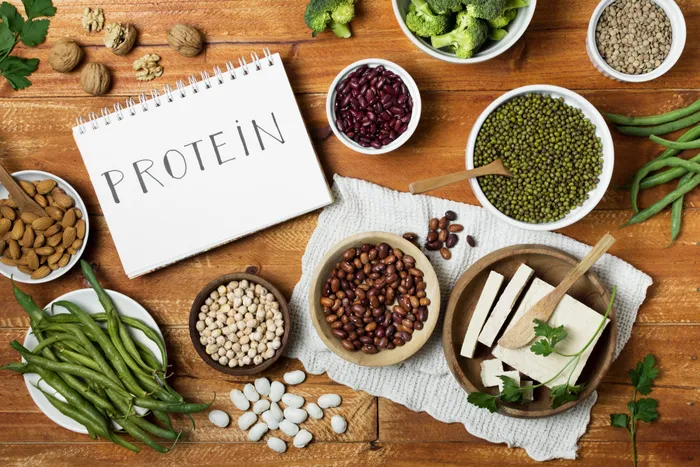
Various plant protein sources.
Image: File.
As the Braai Index continues to climb, many South African households are looking for ways to stretch their budgets without losing out on protein. Here are some alternatives.
1. Shift your meat choices
While beef and lamb are the hardest hit by FMD-related inflation, other proteins remain more stable:
Chicken: Traditionally, the most affordable protein in SA, poultry remains the primary alternative for most households.
Pork: Although pigs can get FMD, the pork industry has been less impacted by the current trade bans than the beef sector, keeping prices relatively lower.
Canned fish: Pilchards and sardines are excellent, shelf-stable protein sources that avoid the volatility of the fresh meat market.
2. Embrace plant-based proteins
Legumes: Lentils, chickpeas and beans are "budget heroes" that provide high fibre and protein for a fraction of the cost of beef.
Soya and tofu: Increasingly available in local supermarkets, these can be used as "meat stretchers" in stews and curries.
Dairy alternatives: Oat, soy or almond milks are becoming more price-competitive as the cost of fresh dairy rises.
3. Offals
For those who prefer red meat, looking into "offal" (head, feet and tripe) can be a way to save. While FMD has impacted these prices too, they generally remain a more accessible entry point for red meat lovers than premium steaks.