

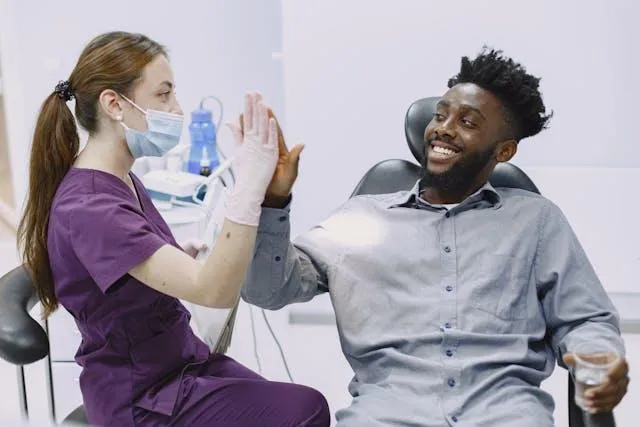
Preventive care isn't about anticipating the worst; it’s about valuing our bodies enough to conduct regular check-ins.
Image: Gustavo Fring/pexels
Most of us only book a doctor’s appointment when something feels wrong.
A headache that won’t quit. Fatigue that lingers. A pain we can’t ignore.
According to Kevin Aron, principal officer at Medshield Medical Scheme, the single most impactful healthcare decision is to seek help before symptoms manifest.
Preventive healthcare, especially Health Risk Assessments (HRAs), is designed to detect illness early, reduce long-term costs, and improve quality of life. Here’s why routine health checks should move to the top of your priority list.
1. The most dangerous conditions are often silent
High blood pressure, elevated cholesterol, diabetes and early heart disease rarely come with dramatic warning signs. By the time symptoms show up, damage may already be underway. Early detection shifts the narrative from crisis management to informed prevention.
2. “Knowing your numbers” is not just a slogan
Blood pressure. Blood sugar. Cholesterol. Body Mass Index. These metrics form the foundation of long-term health. A structured Health Risk Assessment reviews these markers alongside lifestyle habits such as diet, exercise, and smoking. The goal isn’t judgment, it’s awareness.
3. Prevention protects your mental health, too
There’s quiet anxiety in not knowing. Avoiding the doctor doesn’t remove risk; it postpones clarity. Regular check-ups reduce uncertainty and replace fear with actionable steps. That shift alone can be empowering.
4. Chronic illness is easier to manage early
When identified in its early stages, conditions like diabetes or hypertension can often be stabilised through lifestyle adjustments and targeted treatment. Left unchecked, they may require more aggressive and expensive interventions later.
5. Health needs change with age
Preventive care isn’t one-size-fits-all. Childhood vaccinations, reproductive health screenings, mammograms, prostate screenings, eye tests, and pneumococcal vaccines each become relevant at different life stages.
Skipping routine checks means missing care that’s specifically designed for your current season of life.
6. Lifestyle conversations matter
An HRA isn’t just clinical data. It includes discussion around stress, nutrition, sleep, and movement factors deeply connected to modern burnout culture. Prevention acknowledges that health is shaped as much by daily habits as by genetics.
7. Waiting for symptoms is reactive living
We’re conditioned to act only when something hurts. But preventative healthcare asks a different question: What if you intervened before the pain?
Aron notes that many people still wait until symptoms appear before seeking care. By then, treatment can become more complex.
The broader message transcends any one provider. Healthcare systems globally are shifting from treatment to prevention because it improves quality of life and reduces long-term strain on individuals and systems alike.
Preventive care is not about expecting the worst. It’s about respecting your body enough to check in with it regularly.
Book the appointment. Do the screening. Ask the questions. Your future self will thank you.