


Tourette Syndrome is a neurological condition that deserves compassion, awareness and informed discussion.
Image: Freepik
Tourette syndrome has come into sharp focus following the incident at the 2026 Baftas, when Scottish campaigner John Davidson shouted a racial slur while actors Michael B. Jordan and Delroy Lindo were on stage.
Davidson, who has Tourette syndrome and is the inspiration behind the film "I Swear", later thanked BAFTA for their support and stressed that his vocal tics are involuntary and not a reflection of his beliefs.
The moment sparked debate and confusion online. Many people asked the same question: Are these outbursts intentional?
Health experts say no. Tourette syndrome is widely misunderstood. Here’s what you need to know.
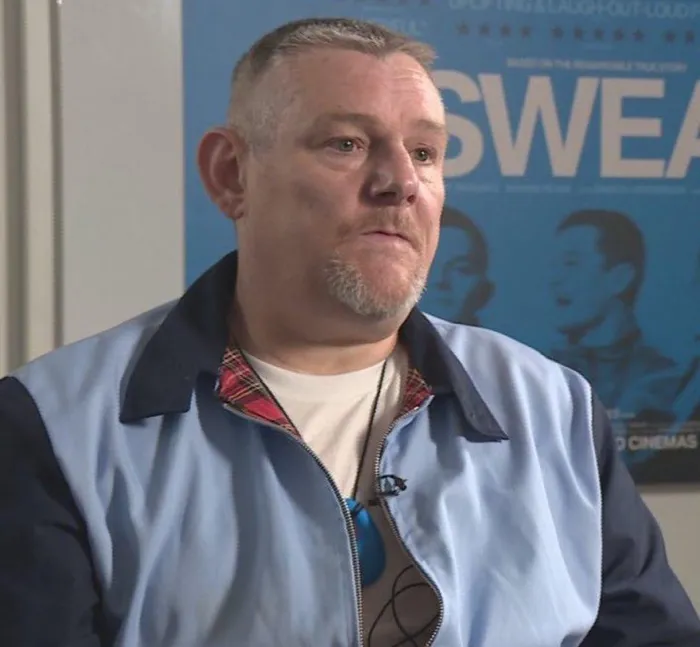
John Davidson is the inspiration behind the film 'I Swear'.
Image: X
According to the National Institute of Neurological Disorders and Stroke (NINDS), Tourette syndrome (TS) is a neurological disorder.
It causes sudden, repeated movements or sounds known as tics.
TS is part of a group of conditions called tic disorders, which affect the developing nervous system.
Tics are involuntary. This means they are not done on purpose. They can vary in type, frequency and intensity.
Some are barely noticeable. Others are more obvious.
Tourette South Africa, a local advocacy group, works to raise awareness, break harmful stereotypes and provide support to families living with the condition.
They provide an understanding of what tics are.
Tics are divided into motor (movement) and vocal (sound) tics. They are also classified as simple or complex.
Motor tics (involuntary movements)
Simple motor tics may include:
Complex motor tics may include:

Tics are divided into motor (movement) and vocal (sound) tics.
Image: Tima Miroshnichenko / Pexels
Vocal (phonic) tics (involuntary sounds)
Simple vocal tics may include:
Complex vocal tics may include:
It’s important to note that not everyone with Tourette syndrome experiences coprolalia. In fact, experts say it affects a minority of people with TS.
Dr Katrina Hermetet of the Tourette Association of America has highlighted several myths that continue to fuel stigma.
Myth: Everyone with Tourette syndrome swears.
Fact: Coprolalia is estimated to affect around 10% of people with TS. It is often exaggerated in movies and media portrayals.
Myth: People can stop their tics if they try hard enough.
Fact: Tics are neurological. Some people can suppress them briefly, but this takes effort and often leads to exhaustion later.
Myth: Tourette syndrome is caused by bad parenting or stress.
Fact: The exact cause is not fully understood, but research points to a strong genetic and neurological basis. Stress can worsen tics, but it does not cause them.
Myth: Tourette syndrome is a mental illness.
Fact: TS is a neurological condition. However, it can occur alongside ADHD, OCD, anxiety or depression.
Myth: People with TS can’t live successful lives.
Fact: Many people with Tourette syndrome thrive in their careers, relationships and communities.
There is no blood test or brain scan that confirms Tourette syndrome.
Doctors diagnose TS based on clinical criteria. A diagnosis usually requires:
Tics not caused by medication, substances or another medical condition
Diagnosis is often made by a primary care doctor, paediatrician or mental health specialist. In complex cases, further evaluation may be needed to rule out other conditions.
Because symptoms can be mild or mistaken for habits, allergies or behavioural issues, diagnosis can sometimes take time.
According to NINDS, there is currently no cure for Tourette syndrome. Treatment focuses on managing symptoms and improving quality of life.
If tics are mild and not disruptive, treatment may not be necessary.
When symptoms interfere with daily life, options may include:
Medication
No single medication works for everyone, and side effects must be carefully monitored.
Behavioural therapy
One of the most effective therapies is Cognitive Behavioural Intervention for Tics (CBIT).
This approach helps people recognise the urge before a tic and respond differently.
Supportive therapy and psychotherapy can also help individuals cope emotionally, especially if they experience stigma or bullying.
Media portrayals often focus on extreme swearing or dramatic outbursts. But Tourette's syndrome is far more complex than what is shown on screen.
Moments like the one at the Baftas highlight how easily misunderstandings can spread. For people living with TS, stigma can be as challenging as the condition itself.
Accurate information from organisations such as the National Institute of Neurological Disorders and Stroke, Tourette South Africa and the Tourette Association of America helps shift the conversation from shock to understanding.
Tourette syndrome is not a punchline. It is a neurological condition that deserves compassion, awareness and informed discussion.