

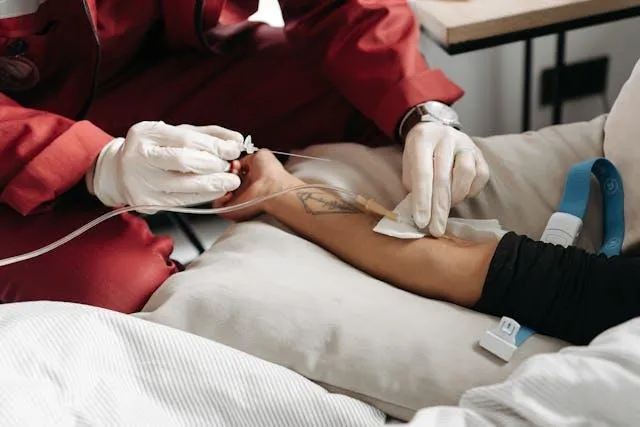
For many experts in the field, assisted dying represents a means of preserving a patient's dignity at the end of life.
Image: Pavel Danilyuk/Pexels
A new legal challenge is forcing South Africans to confront one of the most emotionally complex health conversations of our time: who gets to decide how life ends when suffering becomes unbearable?
This week, Dignity South Africa filed an application at the North Gauteng High Court seeking to decriminalise medically assisted euthanasia in South Africa, arguing that current laws deny citizens the constitutional rights to dignity, equality and bodily autonomy.
At its core, this isn’t just a legal story; it’s a lifestyle and mental health conversation unfolding in living rooms, hospital wards and among families quietly navigating terminal illness.
Medically assisted euthanasia, often referred to globally as medical assistance in dying (MAiD), allows a doctor, under strict legal conditions, to help a terminally ill patient end their life to relieve unbearable suffering. It is tightly regulated, medically supervised and legally distinct from suicide.
The debate in South Africa gained emotional weight following the death of veteran performer Ian von Memerty, who described his death as "self-deliverance". In response, Dignity South Africa clarified its stance:
“It is important to make a very clear and factual distinction… At stake is the difference between lawful medically assisted dying and suicide.”
For many families, that distinction matters deeply, particularly when terminal illness intersects with mental health, chronic pain and loss of dignity.
Globally, medically assisted dying has been legalised under strict safeguards in countries such as Canada (2016), Belgium (2002), the Netherlands (2002), and Switzerland (assisted dying permitted under regulated conditions). Parts of Australia and several US states have also introduced similar legislation.
Research published in journals linked to the World Health Organization shows that palliative care and patient autonomy, including the right to refuse treatment, are key pillars of end-of-life wellbeing, with dignity and emotional relief playing critical roles in patient mental health.
These models are often cited by advocacy groups arguing that legal frameworks can reduce trauma, secrecy and unsafe practices at the end of life.
At its heart, this isn't just a legal debate; it’s a deeply personal one about how we show up for the people we love when they’re at their most vulnerable. It’s about the raw, human side of caregiving and the difficult choices that come with it.
Dignity South Africa is stepping into this space with a focus on compassion and safety. Their goal is to move assisted dying out of the shadows by introducing clear, strict safeguards.
By setting high bars for eligibility, they want to ensure this remains a regulated medical option reserved only for those facing "intractable and unbearable" suffering, where every other form of relief has been exhausted.
The organisation has also launched a public petition calling on Parliament to introduce legislation within 24 months, signalling that this is as much a public conversation as it is a legal one.
For care-givers, especially those managing long-term illness in family settings, the mental health burden can be immense.
Studies published by the South African Medical Research Council highlight that chronic illness and unmanaged pain are strongly linked to depression, carer fatigue, and emotional burnout, reinforcing the need for compassionate, patient-centred care.
It asks South Africans to sit with uncomfortable questions about dignity, suffering, autonomy and compassion. About whether the end of life should be defined by prolonged pain or guided choice.
For now, the court process continues. But outside the courtroom, families, care-givers, and patients are already having quiet conversations at kitchen tables, in hospital corridors and in whispered late-night reflections.
Mental health experts who advocate for euthanasia or Medical Aid in Dying (MAID) often highlight the following five reasons rooted in ethics, compassion and patient rights: