

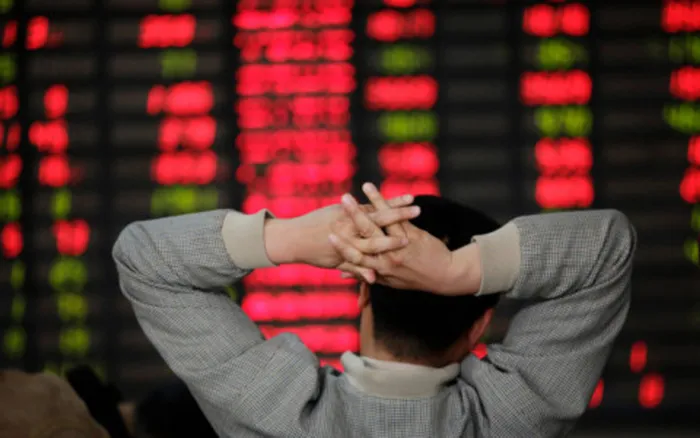
As global markets react to President Trump’s stark warnings to Iran, investors face a tense week filled with uncertainty. Will escalating tensions lead to further economic disruptions across the globe? Find out more about how these developments are shaping markets.
Image: File
Relief felt by investors following US President Donald Trump’s initial change of tone regarding the ongoing crisis with Iran has quickly dissipated, as fresh threats over the weekend have sent global markets into a tailspin.
Bianca Botes, Director at Citadel Global said on Monday that the unsettling rhetoric has not only dictated the mood on Wall Street but has also reverberated across markets in Asia, leading to a notable sell-off at the start of the week.
"Following a fraught weekend in which President Trump warned that failure to keep the Strait of Hormuz open would compel the United States to target Iran's electricity infrastructure, anxiety has reigned. In retaliation, Iran has threatened crucial water and energy infrastructure in the Gulf, raising the stakes considerably. Analysts point to this escalating tension as the primary catalyst behind the fluctuations in market behaviour," Botes said.
As the week begins, Asian markets displayed widespread losses, with South Korea and Japan leading the downturn.
Botes said that Wall Street experienced its fourth consecutive week of declines last Friday, a trend reflected in negative S&P futures as trading commenced this morning.
"Concerns surrounding geopolitical stability are increasingly weighing on investor sentiment. Brent crude oil, the key market barometer, opened at $108 per barrel, gaining just below 1.5% as traders reacted to the ongoing volatility. In stark contrast, gold prices plummeted 2.8%, trading at $4,360 per ounce, reflecting a risk-off approach among investors favouring liquid assets over precious metals," Botes added.
The US Dollar Index remained buoyed, just below the 100 mark, indicating continued support for the currency amid perilous market conditions.
The South African rand, alongside its emerging market counterparts, is also feeling the effects of heightened risk aversion.
Botes added, "The local currency has significantly weakened, beginning the new week at R17.13/$, R19.79/€, and R22.81/£. The situation poses a daunting challenge for South African investors as they navigate uncertainty in the wake of international tensions."
"With no major economic data set for release today, it is the geopolitical landscape, particularly developments in the Middle East, that will predominantly guide market trends in the first trading session of the week. Investors are left to assess the ramifications of these threats and the potential for further escalation, underscoring the fragility of global market stability," Botes further said.
Follow Business Report on Facebook, X and on LinkedIn for the latest Business and tech news.