

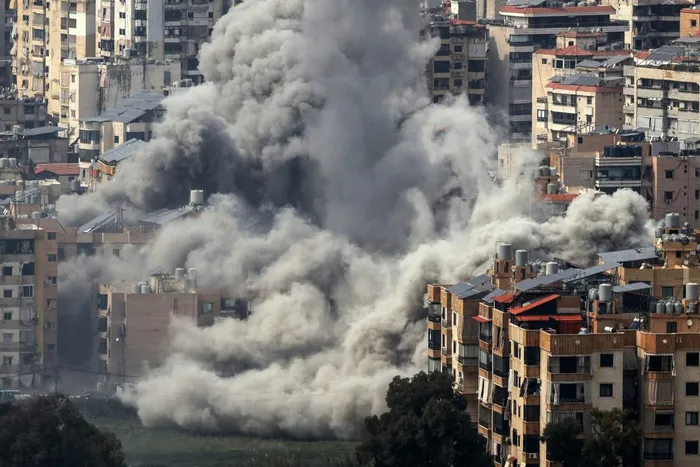
With geopolitical uncertainties and market fluctuations intertwining, investors are bracing for what lies ahead as global leaders navigate this precarious situation. The simmering conflict and economic pressures could spell even more volatility in the trading landscape.
Image: AFP
As President Donald Trump maintains that Iran has accepted nearly all of the United States' 15 conditions to conclude ongoing hostilities, stark evidence suggests that the conflict continues unabated.
Over the weekend, the Iran-backed Houthis intensified the conflict further, while Iran has reportedly ramped up its assaults on Gulf neighbours.
In a move signalling a greater military presence, the US is deploying troops to the Gulf region, raising the stakes in an already volatile situation.
Bianca Botes, Director at Citadel Global said that in the financial markets, Asia started the week on a negative note.
"The sell-off from Friday persisted, with Japan's Nikkei index plummeting by 4.7%, while South Korea’s KOSPI faced a decline of 4.2%. This turmoil hints at broader concerns surrounding geopolitical tensions and their implications for global economic stability," Botes said.
She added that in contrast, futures for the S&P 500 showed some resilience this morning, hovering in the green, but overall sentiment remained cautious with other major index futures perilously close to negative territory. As the day unfolds, further volatility is anticipated.
"Oil prices surged as President Trump issued a stern warning, threatening to take control of Kharg Island, a vital export hub for Iran. This geopolitical assertion drove Brent crude up by 1.94%, with prices reaching $114 per barrel. In addition, gold held steady at $4,500 per ounce, while the US Dollar Index strengthened, trading just above the 100 mark, signalling investor uncertainty in riskier assets," Botes added.
"This week is pivotal for economic data, with US employment figures due later in the week. Today's schedule includes the release of US retail inventories and a speech from Federal Reserve Chair Jerome Powell, following the recent decisions taken by the Fed, which are closely watched by market observers," Botes said.
The South African rand is feeling the pinch amidst these global tensions, trading at R17.13 to the dollar, R19.72 to the euro, and R22.72 to the pound. These exchanges reflect the impact of international dynamics on emerging market currencies, exacerbated by the ongoing conflict in the Gulf.
Follow Business Report on Facebook, X and on LinkedIn for the latest Business and tech news.