

As tensions rise between Iran and the US over a rejected peace plan, Asian markets focus on AI advances, while commodities react to geopolitical shifts. Read on for insights on how these developments are shaping global finance.
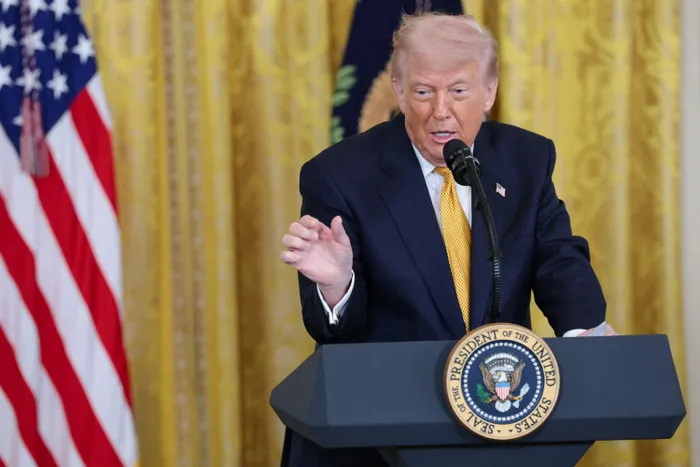
Image: Anna Moneymaker / Getty Images via AFP
As a new week unfolds, global geopolitics are once again in the spotlight, particularly following Iran's recent counter-proposal to the United States peace plan.
The response from US President Donald Trump has been unequivocal, branding the proposal as “totally unacceptable.”
This condemnation has rekindled fears of escalating tensions in an already volatile region.
Bianca Botes, Managing Director at Citadel Global, said that while the diplomatic landscape remains strained, Asian markets appeared largely unfazed by the geopolitical upheaval, choosing instead to focus on the burgeoning narrative surrounding artificial intelligence (AI).
"This optimism contributed to a solid performance in the stock markets, as the MSCI Asia Pacific Index rose by 1.1% during intraday trade. South Korea's KOSPI index led the charge with a striking 5% increase, setting new record highs in the process," Botes said.
The reaction from markets reflected a complex interplay between geopolitical and economic factors.
Futures for the US market experienced a slight decline, with the S&P 500 futures down 0.1% ahead of the anticipated session later today. However, all eyes remain on the evolving situation, particularly as it relates to international relations and trade.
In the commodities arena, the ripples from the fallout of the peace agreement were more pronounced.
Brent crude oil surged by over 4%, now trading at $105 per barrel, signalling heightened concerns over supply stability amidst geopolitical uncertainties.
Conversely, the price of gold dipped by 0.5%, demonstrating that investors might be reallocating their strategies in reaction to these unfolding events.
"As the economic implications of these developments spread globally, South Africa is also feeling the effects, with the rand opening the week at R16.44 against the US dollar, R19.33 against the euro, and R22.35 against the British pound. The local currency's performance remains a barometer for investor confidence amid the backdrop of international tensions," Botes added.
In a world where market movements are often dictated by the ebb and flow of political decisions, this week's events are a stark reminder of the delicate balance between geopolitics and economic stability.
As the US and Iran continue their fraught dialogue, the ramifications will likely echo through international markets, influencing investor sentiment and economic forecasts globally.
Follow Business Report on Facebook, X and on LinkedIn for the latest Business and tech news.