

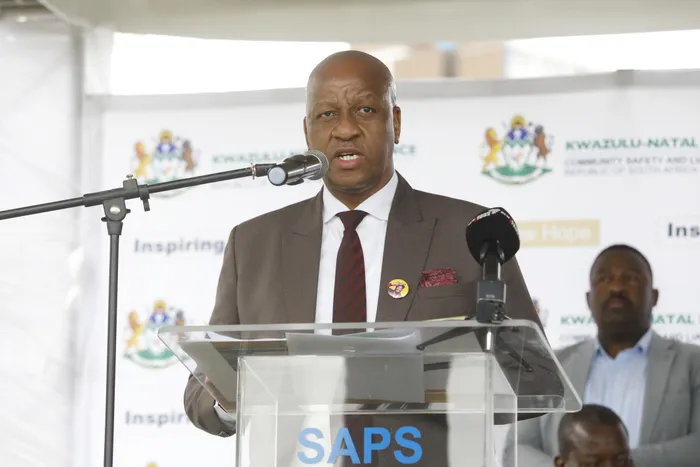
KZN Premier Thamsanqa Ntuli future is at stake.
Image: Doctor Ngcobo/Independent Newspapers
The political dynamics in KwaZulu-Natal have intensified as the Umkhonto weSizwe Party (MKP) successfully pushed for a motion of no confidence against Premier Thamsanqa Ntuli, set to be voted on December 15, just two weeks away. This development has ignited discussions about party loyalties and potential ramifications for the provincial government.
Initially filed last month, the motion faced procedural hurdles that delayed its progress. However, during a recent sitting of the legislature, Speaker Nontembeko Boyce confirmed that the motion had been resuscitated and would proceed as scheduled. In her announcement, she insisted on adhering to the legislature's established processes, stating that introducing the motion for debate merely 48 hours after its filing would be unreasonable and unfair to other political parties.
“While I recognise the need for the Legislature to ensure that the motion is scheduled within a reasonable timeframe and without unnecessary delay, the setting of the debate for today, a mere 48 hours after the motion has been introduced in the House, is wholly unreasonable and unfair to parties,” Boyce said, clarifying that the debate will occur virtually on December 15.
The motion has garnered support from the National Freedom Party (NFP), which announced that its sole member of the legislature, Mbali Shinga, is directed to back the motion. Acting Secretary-General Sunset Xaba has communicated the party’s position and warned Shinga to align with NFP decisions, or face repercussions. Previously, Shinga had expressed concerns about the decision-making process, noting that discussions about supporting the motion had not included her as the party chairperson.
The outcome of the motion will play a critical role in determining the future of KwaZulu-Natal’s Government of Provincial Unity (GPU), which currently consists of the IFP (15 seats), ANC (14), DA (11), NFP (1), against the MKP (37) and EFF (2). Should Shinga support the motion, aligning the NFP with the EFF, it could lead to a tie in the legislature, 40 votes each for both sides. While this scenario alone wouldn’t oust Ntuli, it would create considerable instability, hindering the GPU's ability to pass essential budgets.
In a notable turn of events, the historical rift between the IFP and ANC appears to be splintering, particularly in the Umkhanyakude region. This newfound unity may bolster Ntuli’s standing as he is likely to secure the ANC vote. The Democratic Alliance (DA) also remains an ally, having previously stated its unwillingness to collaborate with the MKP and EFF.
The Economic Freedom Fighters (EFF) are still in negotiations with the MKP. EFF provincial spokesperson Chris Msibi stated that no agreement has yet materialised, underlining that any potential support would hinge upon acceptance of their key demands, including the controversial expropriation of land without compensation.
As December 15 approaches, all eyes will be on the legislative assembly, where the fate of Premier Ntuli hangs in the balance. The developing political drama reflects broader tensions within South Africa's multi-party system, where alliances can shift rapidly and consequences can reshape leadership structures.