

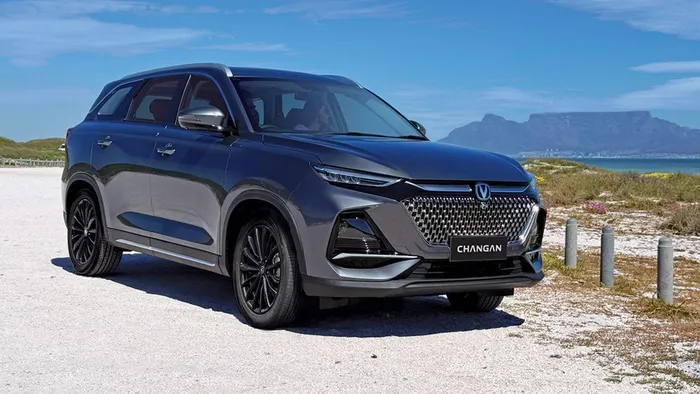
South Africa may soon impose higher tariffs on imported cars from India and China as local manufacturers struggle to compete
Image: Supplied
South Africa may soon impose higher tariffs on imported cars from India and China as local manufacturers struggle to compete and protect jobs in the domestic automotive industry.
The Department of Trade, Industry and Competition is reviewing measures, including higher import duties and excise taxes, to support the domestic automotive industry.
One other option under discussion is updating the country’s tariff schedule to align import levies with World Trade Organisation rules for most-favoured nations.
IOL previously reported that South Africans are buying fewer locally produced vehicles than ever before, sparking fears of deindustrialisation as the market’s appetite for affordably priced imports grows.
According to data from Lightstone, 36% of all vehicles sold in South Africa are imported from India, while 37% were locally manufactured. Chinese imports accounted for 11% of sales. The majority of Japanese- and Korean-branded cars sold locally are also now sourced from India, highlighting the growing reliance on imported vehicles.
“The growth in vehicle sales originating in India can be attributed to the large number of vehicle manufacturers now producing vehicles in the country, leveraging the relatively cheap cost of labour and overall manufacturing costs,” said Andrew Hibbert, Auto Data Analyst at Lightstone.
Commissioner of the International Trade Administration Commission Ayabonga Cawe said the review is aimed at protecting local producers, particularly in the entry-level market, from the surge in affordable imports.
“For completely built-up passenger vehicles, the bound rates there are at 50%, our duties at the moment are at around 25%,” Cawe said.“On components, there is some room to manoeuvre – depending on what the origin market is – of between 10% and 12%,” Cawe said, as reported by Bloomberg.
However, the move to raise tariffs could result in higher prices for consumers, particularly for entry-level and budget vehicles, which have been the fastest-growing segment of imports from India and China.
Industry experts warn that while tariffs may help protect local manufacturers, they could also limit the availability of more affordable vehicles for South African buyers. This would likely lead to lower overall new vehicle sales volumes in South Africa, which would have a knock-on effect on retail channels and their associated employees.
mthobisi.nozulela@iol.co.za
IOL Business