

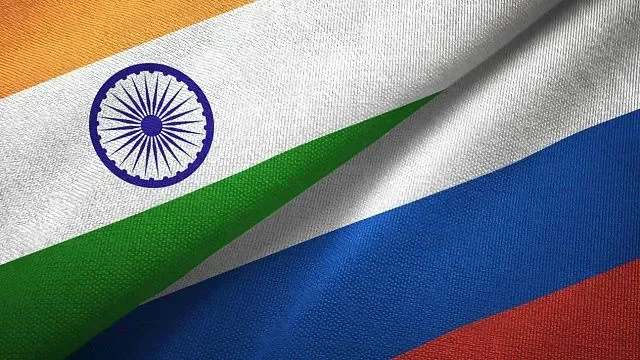
New Delhi highlights progress on trade talks with Eurasian Economic Union and sets roadmap for expanded cooperation.
Image: TV BRICS
India is intensifying its efforts to strengthen economic and commercial ties with Russia as part of its broader ambition to become a developed nation by 2047. Following high-level consultations in Moscow, Indian officials highlighted significant progress in trade discussions with the Eurasian Economic Union (EAEU) and laid out a roadmap for expanded cooperation. The developments underscore New Delhi’s commitment to diversifying trade partnerships and building resilient economic linkages with key global partners.
The recent review of India–Russia relations placed particular emphasis on negotiations for a Free Trade Agreement between India and the EAEU. Senior Indian and Russian officials assessed progress across multiple sectors and agreed on concrete next steps to deepen the partnership.
According to India’s Ministry of Commerce and Industry, these discussions built on the India–Russia Working Group on Trade agenda, with continued focus on diversifying bilateral trade, strengthening resilient supply chains, ensuring regulatory predictability, and supporting balanced growth in the partnership. Both countries reaffirmed their shared ambition to reach US$100 billion in bilateral trade by 2030 while broadening India’s export profile through enhanced industrial and technological cooperation.
Officials explored avenues for collaboration in critical minerals and agreed on a time-bound roadmap for key sectors, including pharmaceuticals, telecommunications equipment, machinery, leather, automotive components, and chemicals. India and Russia also consented to hold quarterly meetings between regulatory bodies to streamline certification requirements and expand listings for agricultural and marine products.
The roadmap highlights India’s ambition to deepen technological cooperation and ensure a sustainable industrial framework. This approach is not limited to Russia alone; it reflects New Delhi’s broader strategy of building diversified trade relationships while safeguarding energy security and supply chain resilience.
India is also managing complex trade relations with the United States. After a period of declining exports due to US tariffs, recent data show India’s goods exports to the US rising to $6.3 billion in October, up from $5.5 billion in September, representing a 14.5% increase. This growth occurred despite continued US tariffs of 50% on certain Indian goods, including a 25% penalty for purchases of Russian oil.
India’s overall goods exports fell 11.8% year-on-year in October, with 15 of its top 20 markets seeing declines. Between May and October, shipments to the US dropped nearly 28.4%, erasing over $2.5 billion in monthly export value. Despite this, trade negotiations between India and the US are advancing, with a senior government official indicating that the first phase of the trade deal is nearing completion.
India’s energy imports remain a key factor in its diplomatic positioning. Since Western nations imposed sanctions on Russia following the Ukraine conflict in 2022, India has become one of the largest markets for Russian crude. Last year, the country purchased $52.7 billion of Russian oil, representing 37% of its total oil bill. The United States has repeatedly urged India to reduce these imports, a request India has not formally confirmed.
Despite this sensitive context, Indian and US officials appear to be finding common ground. The decision to source approximately 10% of India’s annual LPG needs from the United States represents a historic development. Petroleum Minister Hardeep Singh Puri described the move as opening India, the world’s largest and fastest-growing LPG market, to American exports. This step demonstrates India’s pragmatic approach to balancing energy security with expanding international trade partnerships.
The India–Russia economic roadmap and improving US trade relations reflect New Delhi’s broader vision for 2047, when India aims to become a developed nation. Strengthened bilateral trade with Russia provides India with reliable access to industrial and technological inputs, critical minerals, and energy resources. Meanwhile, enhanced engagement with the United States expands market opportunities for Indian goods, particularly in sectors less affected by tariffs.
Diversifying trade in this manner strengthens India’s resilience to external shocks, reduces dependency on any single market, and positions the country as a reliable partner for both Eastern and Western economic blocs. By combining strategic partnerships with global powers while protecting its national interests, India is charting a course for sustainable and balanced growth.
The roadmap between India and Russia also signals opportunities for industrial cooperation that go beyond traditional trade in commodities. Collaboration in pharmaceuticals, telecommunications, machinery, leather, and automotive components will not only support India’s domestic manufacturing goals under initiatives such as Make in India but also enhance technological transfer and industrial innovation.
India’s economic diplomacy illustrates a careful balancing act. On one hand, it maintains robust relations with Russia, leveraging longstanding strategic ties. On the other, it expands trade with the US to secure access to technology, energy, and markets. By simultaneously engaging with multiple global powers, India positions itself as a key hub in Eurasian and global trade networks.
India’s dual engagement strategy is expected to continue producing tangible benefits. Bilateral trade with Russia is projected to reach US$100 billion by 2030 if the roadmap and sectoral agreements are implemented effectively. Meanwhile, improved relations with the United States could expand exports in pharmaceuticals, technology, and agricultural products, further supporting India’s development objectives.
By integrating energy security, industrial cooperation, and market diversification, India is laying the foundation for a resilient, export-driven economy. Strategic trade deals and diplomatic engagement provide both immediate economic benefits and long-term positioning as India prepares for its centennial milestone of 2047.
India’s recent economic diplomacy with Russia and the United States highlights a deliberate and pragmatic approach to trade and development. The roadmap with Russia, focused on industrial, technological, and regulatory collaboration, reinforces long-standing ties and strengthens supply chains. At the same time, improving US trade relations, including a historic LPG deal and partial tariff exemptions, demonstrates India’s ability to engage with Western markets while protecting strategic interests.
Through these engagements, India is consolidating its position as a resilient, globally connected economy, balancing geopolitical considerations with domestic growth ambitions. As India moves toward its 2047 development vision, expanded trade cooperation, diversified partnerships, and strategic diplomacy will remain central pillars of its economic strategy.
Written By:
*Dr Iqbal Survé
Past chairman of the BRICS Business Council and co-chairman of the BRICS Media Forum and the BRNN
*Cole Jackson
Lead Associate at BRICS+ Consulting Group
Chinese & South American Specialist
** MORE ARTICLES ON OUR WEBSITE https://bricscg.com/
** Follow https://x.com/brics_daily on X/Twitter for daily BRICS+ updates