

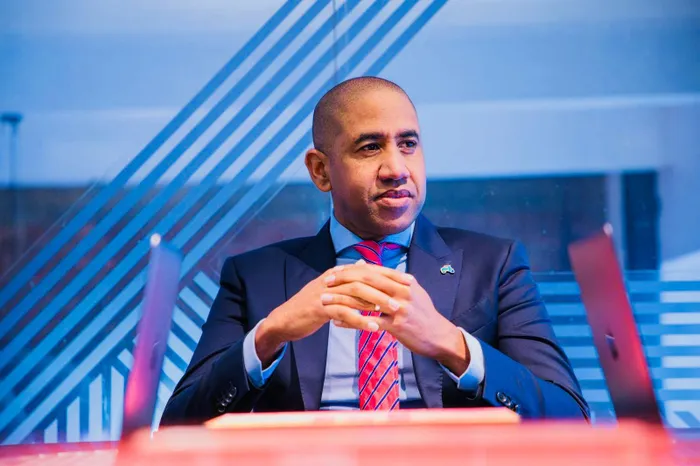
Prof Eldrid Jordaan believes that despite evidence across Africa that local languages boost engagement, trust, and sales, businesses continue to rely almost solely on English, missing a clear growth opportunity.
Image: Supplied
South Africa’s economy is missing a growth opportunity hidden in plain sight: our languages. On Heritage Day, as we reflect on our cultural diversity, it is worth asking why businesses continue to rely almost exclusively on English when research across Africa proves that local languages drive stronger consumer engagement, trust, and sales.
By embedding multilingualism into digital transformation strategies, companies can unlock new markets, deepen brand loyalty, and deliver inclusive growth.
Language is more than communication; it is access. It determines whether a citizen can engage with government services, whether a student can thrive in education, whether a patient can understand medical advice, or whether a consumer can meaningfully use digital platforms.
Without multilingual digital ecosystems, millions remain excluded, reinforcing inequality and shrinking the consumer base.
For the private sector, the evidence is compelling. A 2023 study in Ethiopia showed that e-commerce and banking ads in Amharic increased user engagement by 70% compared to English-only campaigns, with far higher conversion rates. In Nigeria, a 2021 study found that SMS campaigns in Yoruba or Hausa achieved 50% higher response rates than English equivalents, particularly in rural areas where cultural resonance drives trust.
These lessons apply directly to South Africa, where engaging consumers in isiZulu, isiXhosa, Sesotho, Setswana, Afrikaans, and other local languages is not just cultural pride, but a business imperative.
Government, too, must lead by example by ensuring all digital public services are available in every official language. Civic-tech platforms such as GovChat have shown it can be done at scale, especially during the pandemic. Investing in translation technology, voice recognition, and text-to-speech solutions can bring millions of citizens into the digital economy.
Universities and research institutions must also step forward, embedding linguistics, artificial intelligence, and natural language processing into their innovation agendas. South Africa has the talent and the entrepreneurial energy to build African language solutions for the digital age. With collaboration between academia, startups, corporates, and government, our languages can thrive in the global economy.
Heritage Day is a reminder that language is heritage, dignity, and economic value. If South Africa fails to digitise its languages, we risk losing not only words but markets. A national multilingual digital transformation agenda would strengthen competitiveness, unlock new customers, and create inclusive growth. Business has a vested interest in ensuring the time to act is now.
* Prof. Eldrid Jordaan is Professor of Practice at Johannesburg Business School
** The views expressed do not necessarily reflect the views of IOL or Independent Media.
IOL